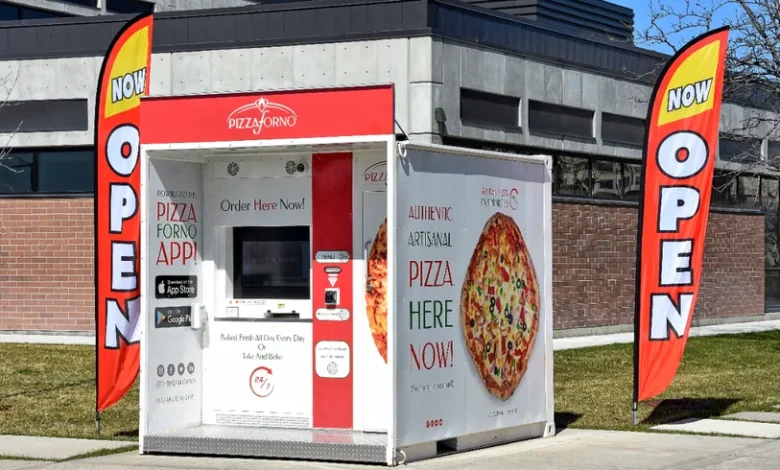
A Vending Machine is a self-service device that dispenses products automatically after payment. These machines are a staple in offices, schools, malls, and public areas, providing convenience for busy consumers and creating business opportunities for entrepreneurs. The vending machine industry has evolved significantly, transforming from simple mechanical coin-operated devices into sophisticated smart machines with cashless payment systems, remote monitoring, and IoT connectivity.
Vending machines have become essential for modern retail, offering a quick and easy way to access snacks, beverages, fresh food, and even electronics. They serve both consumers and businesses by eliminating the need for a staffed checkout and providing instant service. Their versatility, low operational costs, and adaptability make them a highly attractive solution for automated retail.
The purpose of this guide is to explore the history, types, operation, and business potential of vending machines. Whether you are a consumer curious about how these machines work or an entrepreneur considering investment opportunities, understanding the nuances of vending’machines will provide valuable insights. From traditional snack dispensers to AI-enabled kiosks, vending machines continue to shape the way people access products efficiently and conveniently.
By understanding how vending machines function, the variety of products they can offer, and how to optimize them for profit, business owners can maximize revenue while consumers enjoy the convenience and accessibility these machines provide.
History and Evolution of Vending Machines
The concept of the Vending Machine dates back to ancient civilizations. Early examples include coin-operated devices in Greece that dispensed holy water, and later, mechanical vending’machines in 17th-century Europe that offered small items like tobacco or postcards. These early machines relied on simple mechanical levers, gears, and gravity to function, but they laid the groundwork for modern automated retail.
The late 19th and early 20th centuries saw the introduction of vending machines that sold candies, chewing gum, and beverages. The first widely recognized vending machine, developed in London in 1883, sold postcards. Soon after, innovations in the United States led to the creation of coin-operated snack and soda machines, marking the beginning of a thriving industry.
Technological advancements over the years transformed vending’machines from purely mechanical devices to electronically operated machines. Cashless payment systems, digital displays, and touchscreen interfaces became standard, allowing consumers to purchase products with credit cards, mobile wallets, or QR codes. Remote monitoring enabled operators to track inventory and sales in real-time, improving efficiency and reducing downtime.
Globally, vending machines have evolved into diverse formats. In Japan, for example, vending machines are ubiquitous and dispense everything from drinks to fresh meals, electronics, and even flowers. This global expansion demonstrates the adaptability of vending’machines and their increasing integration into everyday life, combining convenience, efficiency, and technological innovation.
Types of Vending Machines
Vending machines come in a wide range of types, designed to serve different products and purposes. The most common type is the snack and beverage vending machine, which offers packaged foods, chips, chocolate bars, and drinks. These machines are often placed in high-traffic areas like schools, offices, and shopping centers due to their broad appeal and steady demand.
Specialty vending’machines have emerged to cater to niche markets. Machines that dispense fresh coffee, sandwiches, ice cream, or even personal care items like face masks and cosmetics have become increasingly popular. These machines often require refrigeration or heating capabilities and advanced inventory management to ensure product quality and freshness.
Automated retail kiosks represent a further evolution, offering items like books, clothing, or electronics. These machines leverage touchscreen interfaces and smart technology to simulate a mini-store experience. Customers can browse products, make selections, and pay digitally without the need for human staff.
Modern smart and cashless vending machines integrate advanced technologies such as AI for product recommendations, dynamic pricing, and predictive inventory management. Remote monitoring and mobile apps allow operators to track sales, schedule restocking, and receive maintenance alerts. This type of machine represents the future of vending, combining convenience, technology, and data-driven insights to enhance both the customer experience and business efficiency.
How Vending Machines Work

At a basic level, a Vending’Machine operates using mechanical or electronic components that dispense products after receiving payment. Traditional machines relied on coin-operated levers and gravity-fed mechanisms. Modern machines employ motors, sensors, and microcontrollers to ensure precise product delivery and prevent jams.
Payment systems have evolved significantly. In addition to coins and bills, most modern machines accept credit and debit cards, mobile wallets, and QR code payments. Cashless transactions make machines more convenient and reduce the need for frequent cash collection. Some machines even integrate with mobile apps to offer loyalty programs or personalized discounts.
Inventory management is another critical component. Advanced vending’machines track stock levels in real-time, alerting operators when items need replenishment. Smart algorithms can predict demand patterns, optimizing inventory to minimize waste and maximize sales. This technology reduces operational costs and ensures products are consistently available to customers.
Maintenance and troubleshooting are essential for machine longevity. Common issues include coin jams, sensor errors, and product misdispensing. Preventive maintenance, such as regular cleaning and inspection of electrical and mechanical parts, keeps machines running efficiently and reduces downtime. Operators also benefit from remote diagnostics, allowing them to address issues quickly and maintain consistent service quality.
Business and Investment Opportunities
Vending machines present lucrative opportunities for entrepreneurs. Starting a vending’machine business involves selecting the right products, identifying high-traffic locations, and managing operational logistics. Popular locations include schools, office buildings, hospitals, airports, and shopping centers, where demand is consistent and machines are easily accessible.
Initial investment costs vary depending on the type of machine and products sold. Traditional snack or drink machines are relatively affordable, while specialty or smart vending’machines may require higher upfront costs. However, the potential return on investment can be substantial due to low staffing requirements, automated operation, and continuous revenue generation.
Marketing and customer engagement are essential for maximizing profits. Well-branded machines, strategic placement, and curated product selections can attract more customers. Promotions, seasonal products, and digital interfaces that provide information about items can increase user interaction and satisfaction.
Business challenges include theft, vandalism, low sales in poorly chosen locations, and maintenance issues. Effective risk management strategies, such as installing cameras, choosing secure locations, and implementing regular maintenance schedules, help mitigate these risks. By carefully planning and managing operations, vending machine businesses can achieve sustainable profitability and growth.
Future Trends in Vending Machines
The vending machine industry is rapidly evolving with technology and consumer trends. Smart vending machines using AI can recommend products based on customer preferences, adjust prices dynamically, and predict inventory needs. This level of automation improves efficiency and enhances the customer experience.
Sustainability is becoming a key focus. Energy-efficient machines, biodegradable packaging, and reduced power consumption are increasingly incorporated to reduce environmental impact. Some machines even support recycling initiatives, encouraging customers to return packaging for eco-friendly disposal.
The range of products sold through vending’machines continues to expand. From electronics to fresh meals, vending machines are becoming mini retail hubs capable of serving diverse consumer needs. This diversification opens new business opportunities and markets for operators.
Automated retail and contactless commerce are also reshaping the industry. With the rise of cashless payments and mobile integration, vending machines offer a fast, convenient, and safe shopping experience, making them an essential component of the future of retail.
Conclusion
The Vending Machine has transformed the way people access products, combining convenience, technology, and profitability. From its origins in ancient civilizations to modern smart machines, vending machines have evolved to meet the demands of consumers and businesses alike.
For entrepreneurs, vending machines provide a low-staff, high-efficiency business model with opportunities for significant profit. For consumers, they offer instant access to a variety of products in a safe and convenient manner. As technology advances, vending’machines will continue to integrate AI, cashless payments, and sustainable solutions, solidifying their role in the future of retail.
Whether as a business investment or a tool for convenience, vending machines exemplify the power of automation in modern commerce, bridging traditional retail with the demands of a fast-paced, technology-driven world.
Frequently Asked Questions (FAQs)
What is a Vending Machine?
A self-service machine that dispenses products automatically after payment.
How do vending machines work?
They use mechanical or electronic systems to dispense items when payment is received.
What types of products can be sold?
Snacks, beverages, fresh food, electronics, personal care items, and specialty products.
Are vending machines profitable for small businesses?
Yes, with the right location, product selection, and maintenance, they can generate steady income.
What are the costs of starting a vending machine business?
Costs vary from a few hundred dollars for basic machines to several thousand for smart or specialty machines.
How are vending machines maintained and restocked?
Regular cleaning, inspections, refilling products, and checking electronic components keep machines running smoothly.
Can vending machines accept cashless payments?
Yes, modern machines accept cards, mobile wallets, and QR code payments.
What are the most popular vending machine locations?
Offices, schools, hospitals, shopping centers, airports, and high-traffic public areas.
How is technology changing the vending machine industry?
Smart machines, AI, remote monitoring, and cashless payments improve efficiency and customer experience.
Are there eco-friendly vending machine options?
Yes, energy-efficient models, recyclable packaging, and machines supporting sustainability are available.
You May Also Read: Skull Cap