The ghutra keffiyeh is one of the most recognised traditional garments across the Middle East. Although many people use the terms ghutra, keffiyeh and shemagh interchangeably, they each have unique characteristics, cultural backgrounds, and regional importance. Understanding these differences helps travellers, fashion enthusiasts, and anyone interested in Middle Eastern traditions appreciate the heritage behind these iconic head coverings.
Today, the ghutra keffiyeh is valued for far more than its practical purpose. It represents history, identity, and respect for tradition while also providing protection from intense sunshine, wind, and desert dust. Whether worn during formal occasions, everyday activities, or outdoor adventures, these garments continue to be admired worldwide for their versatility, elegance, and cultural significance.
What Is a Ghutra Keffiyeh?
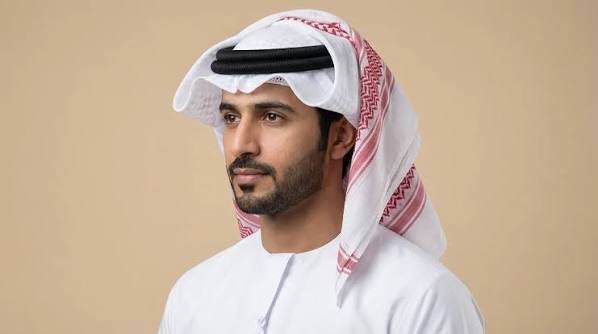
A ghutra is a traditional square headscarf commonly worn by men throughout Gulf countries, including Saudi Arabia, the United Arab Emirates, Qatar, Kuwait, and Bahrain. It is usually crafted from lightweight cotton or blended fabric, making it comfortable in warm climates. The white ghutra is particularly popular because it reflects sunlight, keeps the wearer cool, and complements traditional clothing such as the thobe.
The term ghutra keffiyeh often appears because these garments share similar shapes and purposes. A keffiyeh is another traditional square scarf, usually recognised by its distinctive woven patterns rather than a plain finish. While styles vary between regions, both garments have become internationally recognised symbols of Middle Eastern culture, combining practical design with centuries of tradition.
Difference Between a Ghutra, Keffiyeh and Shemagh
Although these traditional scarves look similar at first glance, each has distinctive features. The ghutra is typically plain white and associated with the Arabian Gulf. The keffiyeh is widely recognised by its black-and-white woven pattern and strong connection to Palestinian heritage. The shemagh, meanwhile, usually features a red-and-white checked design that is commonly worn in Jordan, Saudi Arabia, and neighbouring countries.
The differences extend beyond appearance. Each garment reflects local customs, history, and identity. Some regions reserve particular colours or styles for ceremonial events, while others wear them daily for protection against harsh weather conditions. Learning these distinctions helps people appreciate the cultural diversity found across the Middle East rather than viewing every traditional scarf as identical.
History and Cultural Significance
The history of the ghutra keffiyeh stretches back hundreds of years. Long before modern fabrics and protective clothing existed, people living in desert regions relied on these scarves to shield themselves from blazing sunshine, blowing sand, and sudden temperature changes. Their simple design proved both practical and adaptable, making them an essential part of everyday life.
Over time, these headscarves developed meanings beyond their practical use. Different communities adopted distinctive colours, weaving techniques, and wearing styles that reflected local traditions and identity. Today, the ghutra, keffiyeh, and shemagh remain respected cultural garments that continue to represent heritage, family traditions, and regional pride while maintaining their original practical purpose.
Types, Colours and Styles
One of the most familiar styles is the plain white ghutra, which is especially popular throughout Gulf countries. Its clean appearance makes it suitable for both everyday wear and formal occasions. Many people pair it with a black agal to secure the fabric neatly in place, creating the classic appearance associated with traditional Gulf dress.
The keffiyeh and shemagh are available in several distinctive patterns and colours. The black-and-white keffiyeh is closely associated with Palestinian culture, while the red-and-white shemagh is widely worn across Jordan and parts of Saudi Arabia. Modern manufacturers also produce variations in grey, beige, green, and other colours, allowing wearers to balance tradition with contemporary fashion preferences.
How to Wear a Ghutra Keffiyeh
Wearing a ghutra keffiyeh correctly begins with folding the square cloth into a neat triangle. The folded fabric is then placed over the head with equal lengths on both sides before being secured with an agal if following traditional Gulf style. This method keeps the scarf firmly in place while maintaining an elegant and balanced appearance suitable for formal or everyday settings.
Outside traditional settings, many people wear the keffiyeh loosely around the neck as a stylish scarf. Others wrap it around the shoulders during cooler weather or outdoor activities. Regardless of the method chosen, wearing the garment respectfully and understanding its cultural significance demonstrates appreciation for the traditions it represents.
How to Choose the Right Ghutra Keffiyeh

Choosing the right ghutra keffiyeh depends on comfort, purpose, and personal preference. Lightweight cotton is ideal for warm weather because it allows air to circulate while remaining soft against the skin. Wool blends are often preferred during cooler months, offering extra warmth without sacrificing the traditional appearance. High-quality stitching and neatly finished edges are also signs of a durable and authentic product.
Size is another important consideration when purchasing a ghutra or keffiyeh. A larger scarf offers greater flexibility for different folding styles and provides better coverage from the sun and wind. Whether you need a traditional white ghutra for formal occasions or a patterned keffiyeh for everyday wear, selecting premium materials ensures comfort, durability, and long-lasting value.
Modern Fashion and Global Popularity
The ghutra keffiyeh has become increasingly popular beyond the Middle East, appearing in fashion collections, travel wardrobes, and outdoor clothing. Many people appreciate its versatility as it functions as both a practical accessory and a stylish statement piece. Designers have introduced contemporary colours and fabrics while maintaining the traditional square design that has remained unchanged for generations.
Despite its growing international popularity, it is important to recognise the cultural heritage behind these garments. Wearing a ghutra or keffiyeh respectfully means understanding its history and avoiding treating it as a temporary fashion trend. Appreciating its cultural significance allows people from different backgrounds to celebrate traditional craftsmanship while showing respect for the communities where these garments originated.
Caring for Your Ghutra Keffiyeh
Proper care helps maintain the appearance and quality of your ghutra keffiyeh for many years. Washing according to the manufacturer’s instructions preserves the fabric, prevents unnecessary shrinking, and keeps colours looking fresh. Gentle detergents are usually recommended, especially for cotton materials, as harsh chemicals may weaken the fibres over time.
After washing, allow the scarf to air dry naturally whenever possible. Ironing on a suitable heat setting helps restore its smooth appearance before wearing. Storing the ghutra or keffiyeh neatly folded in a clean, dry place protects it from dust and unnecessary creasing, ensuring it remains ready for both everyday use and special occasions.
Why the Ghutra Keffiyeh Remains Timeless
The enduring popularity of the ghutra keffiyeh comes from its perfect balance of practicality and tradition. For centuries it has protected wearers from harsh climates while serving as an important symbol of regional identity. Few garments combine functionality, elegance, and cultural significance as successfully, making it a timeless part of Middle Eastern dress.
Modern generations continue to embrace these traditional headscarves because they represent much more than clothing. They connect people with their heritage while adapting effortlessly to contemporary lifestyles. Whether worn during cultural celebrations, formal gatherings, or casual outings, the ghutra keffiyeh remains respected for its rich history and enduring appeal.
Conclusion
The ghutra keffiyeh is far more than a simple head covering. It represents centuries of tradition, practical design, and cultural identity across the Middle East. Although the ghutra, keffiyeh, and shemagh share similar shapes, each possesses its own distinctive style, history, and regional significance. Understanding these differences allows people to appreciate the heritage behind these iconic garments while wearing them with confidence and respect.
Whether you are interested in Middle Eastern culture, searching for authentic traditional clothing, or simply learning about global fashion, the ghutra keffiyeh offers a fascinating story. By choosing quality materials, understanding the correct styles, and respecting their cultural importance, you can enjoy both the beauty and practicality of these timeless garments for many years to come.
Frequently Asked Questions
What is a ghutra keffiyeh?
A ghutra keffiyeh refers to traditional Middle Eastern square headscarves. Although the terms are sometimes used together, the ghutra, keffiyeh, and shemagh each have different regional styles and cultural meanings.
What is the difference between a ghutra and a keffiyeh?
A ghutra is usually plain white and commonly worn across Gulf countries, while a keffiyeh often features a black-and-white woven pattern and is strongly associated with Palestinian heritage.
Is a shemagh the same as a keffiyeh?
They are similar but not identical. A shemagh usually has a red-and-white checked pattern, whereas a keffiyeh traditionally features black-and-white designs, with each style reflecting different regional traditions.
Why do people wear a ghutra keffiyeh?
People wear these garments for protection against sunlight, dust, and wind, while also expressing cultural identity, tradition, and personal style.
Can anyone wear a ghutra or keffiyeh?
Yes. Anyone can wear these garments respectfully, provided they understand and appreciate their cultural and historical significance.
What fabric is best for a ghutra keffiyeh?
Cotton is the most popular choice because it is lightweight, breathable, comfortable, and well suited to warm climates.
What is an agal?
An agal is a black cord traditionally placed over a ghutra to keep it securely positioned on the head.
Which countries commonly wear the ghutra?
The ghutra is widely worn in Saudi Arabia, the United Arab Emirates, Qatar, Kuwait, Bahrain, and other Gulf nations.
How should a ghutra keffiyeh be cleaned?
Most cotton versions can be gently machine washed or hand washed using mild detergent before air drying and ironing on a suitable heat setting.
Is the ghutra keffiyeh still popular today?
Yes. The ghutra keffiyeh continues to be worn throughout the Middle East and has also gained worldwide recognition as a practical, stylish, and culturally significant traditional garment.
You May Also Read: Mitcham Village