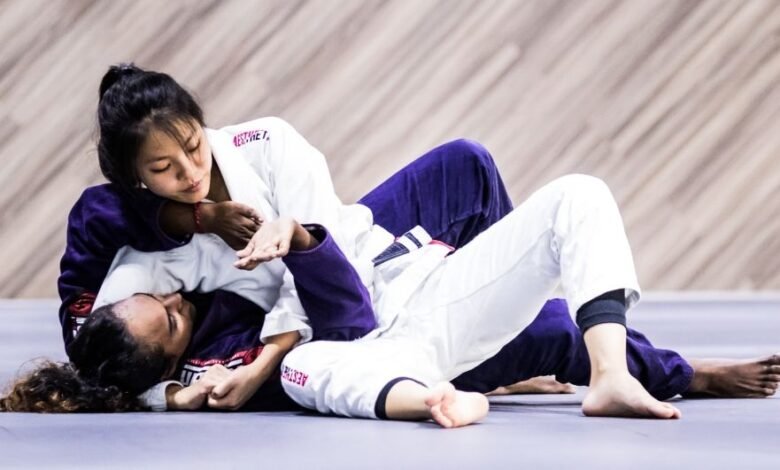
BJJ martial has become one of the most respected martial arts in the world, attracting people of all ages and fitness levels. Known as Brazilian Jiu-Jitsu, it focuses on grappling, ground fighting, and submission techniques rather than punches and kicks. Unlike many traditional combat sports, BJJ martial teaches practitioners to use leverage, balance, and technique to overcome opponents who may be larger or physically stronger.
Whether your goal is to improve fitness, learn practical self-defence, or compete in tournaments, BJJ martial offers valuable skills that last a lifetime. It also promotes discipline, patience, and problem-solving while creating a welcoming community for beginners and experienced practitioners alike. This guide explores everything you need to know before stepping onto the training mats.
What Is BJJ Martial?
BJJ martial refers to Brazilian Jiu-Jitsu, a grappling-based martial art that was developed to help individuals control and submit opponents using technique instead of strength. The art focuses heavily on ground fighting, positional control, escapes, and submission holds, making it one of the most effective systems for self-defence. Every movement is designed to maximise efficiency while reducing unnecessary effort.
One of the biggest reasons BJJ martial has gained worldwide popularity is its accessibility. People do not need to be exceptionally strong or athletic to begin training. Students gradually learn how to improve flexibility, coordination, and confidence through structured practice. This approach makes Brazilian Jiu-Jitsu suitable for adults, teenagers, and even children who want to develop valuable life skills.
The History of Brazilian Jiu-Jitsu
The story of Brazilian Jiu-Jitsu began with traditional Japanese Jiu-Jitsu and Judo before these techniques were introduced to Brazil during the early twentieth century. The Gracie family refined these methods by placing greater emphasis on leverage, ground control, and practical self-defence. Their innovations transformed the art into what is now recognised globally as Brazilian Jiu-Jitsu.
Over the decades, BJJ martial has expanded far beyond Brazil, becoming one of the fastest-growing martial arts across Europe, including the United Kingdom. International competitions, professional tournaments, and mixed martial arts events have showcased the effectiveness of Brazilian Jiu-Jitsu, inspiring thousands of new students to join local academies each year.
How BJJ Martial Works
The foundation of BJJ martial lies in controlling an opponent through superior positioning rather than relying on striking techniques. Students learn essential positions such as the guard, mount, side control, and back control before progressing to sweeps, escapes, and submission techniques. Every lesson focuses on improving timing, precision, and efficiency instead of physical power.
Training sessions usually combine warm-ups, technical instruction, partner drills, and live sparring, commonly known as rolling. This practical learning method allows students to apply techniques in realistic situations while developing confidence and improving decision-making. Regular practice helps practitioners understand how small adjustments in body positioning can make a significant difference during a match.
Benefits of Training in BJJ Martial
One of the greatest advantages of BJJ martial is its ability to improve overall physical fitness while keeping training enjoyable and engaging. Sessions provide a full-body workout that develops cardiovascular endurance, muscular strength, flexibility, coordination, and balance. Unlike repetitive gym routines, every class introduces new techniques and challenges that keep students motivated throughout their learning journey.
Beyond physical health, Brazilian Jiu-Jitsu also strengthens mental resilience. Students learn patience, discipline, focus, and emotional control while solving complex movement challenges during training. Many practitioners find that regular classes reduce stress, boost confidence, and improve their ability to remain calm under pressure, both on and off the mats.
BJJ Belt System Explained
The BJJ belt system is designed to recognise a student’s technical knowledge, consistency, and overall development. Most practitioners begin with the white belt before progressing through blue, purple, brown, and finally black belt. Unlike some martial arts, promotions are not based solely on attendance. Instructors carefully evaluate a student’s technique, understanding, dedication, and ability to apply skills during training.
Advancing through the belt ranks requires patience and commitment because Brazilian Jiu-Jitsu values long-term improvement over quick promotions. Each belt represents new responsibilities and deeper technical knowledge. Students are encouraged to focus on learning rather than chasing the next rank, making the journey rewarding as both personal confidence and practical ability continue to grow.
What to Expect in Your First BJJ Class
Walking into your first BJJ class can feel intimidating, but most academies create a friendly and supportive atmosphere for beginners. Classes usually begin with a warm-up followed by demonstrations of new techniques. Students then practise movements with partners under the supervision of experienced instructors who ensure everyone trains safely and correctly.
Most beginners start with simple positions, escapes, and basic submissions before moving to controlled sparring sessions. Wearing comfortable training clothes, maintaining good hygiene, and arriving with an open mind will help you enjoy the experience. Every class is an opportunity to learn something new while becoming more confident and physically active.
BJJ Martial vs Other Martial Arts
BJJ martial differs from many traditional martial arts because it focuses on grappling rather than striking. Arts such as Karate and Taekwondo teach punches and kicks, whereas Brazilian Jiu-Jitsu concentrates on controlling an opponent through leverage, positioning, and submissions. This makes BJJ particularly effective in situations where fights move to the ground.
Compared with Judo and wrestling, Brazilian Jiu-Jitsu places greater emphasis on ground control and finishing techniques. Although each martial art offers valuable skills, BJJ martial is widely recognised for its practical self-defence applications and its ability to help smaller individuals defend themselves against larger opponents using proper technique.
Common Beginner Mistakes in BJJ

Many new students believe strength is the key to success, but BJJ martial rewards technique over power. Trying to force movements often leads to exhaustion and poor results. Beginners should instead focus on learning proper body mechanics, maintaining balance, and listening carefully to their instructor’s guidance during every training session.
Another common mistake is expecting rapid progress after only a few classes. Brazilian Jiu-Jitsu requires patience, consistency, and regular practice to develop strong fundamentals. Students who remain committed, ask questions, and review techniques outside the gym usually improve steadily while building confidence in their abilities.
How to Choose the Right BJJ Academy
Selecting the right academy is an important step for anyone interested in learning BJJ martial. A quality gym should have qualified instructors, structured classes, clean facilities, and a welcoming environment for students of all experience levels. Visiting different academies allows you to compare teaching styles and decide which atmosphere suits your personal goals.
Many schools offer free trial classes, giving potential students the opportunity to meet instructors and observe the training culture before joining. Consider factors such as class schedules, membership costs, safety standards, and student support. Choosing an academy where you feel comfortable will make your learning experience more enjoyable and help you stay motivated.
Conclusion
BJJ martial has earned its reputation as one of the most effective and respected martial arts in the world. By combining technique, leverage, and strategic thinking, Brazilian Jiu-Jitsu enables practitioners to develop practical self-defence skills while improving fitness, discipline, and mental resilience. Its welcoming community also makes it an excellent choice for beginners looking to start a lifelong journey.
Whether your ambition is to compete, improve your health, or simply gain greater confidence, Brazilian Jiu-Jitsu offers lasting benefits that extend beyond the training mats. With regular practice, guidance from experienced instructors, and a positive mindset, anyone can enjoy the rewarding experience of learning this remarkable martial art.
FAQs
What does BJJ stand for?
BJJ stands for Brazilian Jiu-Jitsu, a grappling-based martial art that focuses on ground fighting, submissions, and self-defence techniques.
Is BJJ martial suitable for beginners?
Yes. BJJ martial welcomes beginners of all ages and fitness levels. Most academies provide structured classes that help new students learn safely at their own pace.
Is Brazilian Jiu-Jitsu good for self-defence?
Brazilian Jiu-Jitsu is considered one of the most effective self-defence systems because it teaches practical techniques for controlling opponents using leverage rather than strength.
How often should beginners train?
Most beginners benefit from training two to three times each week. This allows enough time to learn new techniques while giving the body adequate recovery between sessions.
How long does it take to earn a black belt?
The journey to a black belt varies for every student, but it commonly takes several years of consistent training, dedication, and technical improvement under qualified instructors.
Do I need to be fit before starting BJJ?
No. Many people begin Brazilian Jiu-Jitsu with little or no fitness experience. Regular training naturally improves strength, flexibility, endurance, and overall health.
What equipment is needed for the first class?
Most beginners only need comfortable sportswear for a trial session. If training in the traditional gi, many academies can provide one before you purchase your own.
Can children learn Brazilian Jiu-Jitsu?
Yes. Many academies offer children’s classes that focus on discipline, confidence, coordination, teamwork, and age-appropriate self-defence skills in a safe environment.
You May Also Read: Palmers Cocoa Butter