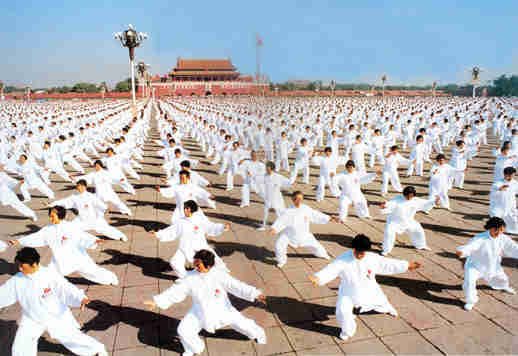
Taichi Quan is one of the world’s oldest and most respected internal martial arts, combining graceful movement with deep breathing and mental focus. Originally developed in China as a practical system of self-defence, it has evolved into a popular practice for improving health, reducing stress, and promoting overall wellbeing. Today, millions of people of all ages enjoy Tai Chi because it is gentle on the body while offering impressive physical and mental benefits.
Unlike many high-impact fitness activities, Taichi Quan encourages slow, controlled movements that improve balance, flexibility, and coordination without placing excessive strain on the joints. Whether you are looking to stay active, enhance mindfulness, or explore a traditional Chinese martial art, this ancient practice offers something valuable for everyone. This guide explains the origins, principles, and advantages of learning Taijiquan.
What Is Taichi Quan?
Taichi Quan, also known as Taijiquan or Tai Chi Chuan, is an internal Chinese martial art that focuses on harmony between the mind and body. Instead of relying on physical strength or aggressive techniques, practitioners use balance, relaxation, and precise body mechanics to generate efficient movement. Every posture is performed with careful attention to breathing, alignment, and smooth transitions that encourage both physical and mental development.
The philosophy behind Taichi Quan is deeply connected to the concept of Yin and Yang, representing balance between opposing forces. This principle is reflected throughout every movement, helping practitioners remain calm, centred, and aware. As students progress, they develop improved posture, flexibility, coordination, and confidence while learning techniques that were originally designed for effective self-defence.
The History and Origins of Taichi Quan
The origins of Taichi Quan date back several centuries to ancient China, where martial arts and Daoist philosophy greatly influenced its development. Traditional legends often associate its creation with the Daoist monk Zhang Sanfeng, although historians believe the art evolved through generations of experienced martial artists. Over time, these techniques were refined into a system that combined combat skills with breathing exercises and mindful movement.
As Chinese culture spread across the world, Taijiquan gained recognition not only as a martial art but also as a powerful form of exercise. Today, it is practised throughout the United Kingdom and many other countries by people seeking better health, improved mobility, and stress relief. Modern scientific studies continue to highlight its positive effects on balance, posture, and overall quality of life.
The Main Styles of Taijiquan
Taijiquan has developed into several recognised family styles, each preserving unique techniques while following the same core philosophy. The five major styles include Chen, Yang, Wu, Wu (Hao), and Sun. Although each style differs slightly in movement, posture, and training methods, they all encourage relaxation, balance, and controlled breathing as essential elements of practice.
Among these styles, Yang Style is the most widely practised and is often recommended for beginners because of its slow, flowing movements and accessible learning approach. Chen Style combines gentle movements with bursts of explosive energy, while Sun Style features agile footwork and smooth transitions. Exploring different styles allows students to find the practice that best suits their goals and personal preferences.
How Taichi Quan Works
The effectiveness of Taichi Quan lies in its combination of slow movement, controlled breathing, and mindful concentration. Every technique flows naturally into the next, creating continuous sequences that strengthen muscles, improve joint mobility, and increase body awareness. Rather than forcing movements through power, practitioners learn to generate efficient motion using relaxation, proper posture, and balanced weight distribution.
Training sessions usually include solo forms, breathing exercises, standing meditation, and partner practices such as Push Hands. These exercises improve timing, coordination, and sensitivity while helping students understand how Tai Chi principles can be applied in self-defence. Consistent practice also develops patience and confidence, making each session both physically rewarding and mentally refreshing.
Benefits of Practising Taichi Quan
One of the greatest reasons people choose Taichi Quan is the wide range of health benefits it offers. The gentle, flowing movements improve flexibility, strengthen muscles, and increase joint mobility without placing unnecessary pressure on the body. Regular practice also enhances balance and coordination, making it particularly beneficial for older adults and anyone looking for a safe, low-impact form of exercise.
Beyond physical fitness, Taichi Quan supports emotional and mental wellbeing. Controlled breathing and mindful movement help reduce stress, improve concentration, and encourage relaxation after a busy day. Many practitioners report better sleep, improved confidence, and a greater sense of inner calm. These long-term benefits have made Tai Chi a popular choice for people seeking a balanced and healthy lifestyle.
Getting Started with Taichi Quan
Beginning your journey with Taichi Quan does not require previous martial arts experience or exceptional fitness. Most instructors introduce beginners to simple movements, basic postures, and breathing techniques before progressing to complete forms. Comfortable clothing, supportive footwear, and an open mind are usually all that is needed for the first lesson.
Finding a qualified instructor is one of the most important steps for learning correct technique and avoiding common mistakes. Many local clubs and community centres offer beginner-friendly classes, while online lessons provide additional opportunities to practise at home. Consistent training, even for a short time each day, helps build confidence and steady improvement.
Taichi Quan as a Martial Art and Self-Defence System

Although many people know Taichi Quan as a gentle exercise, it remains a genuine martial art with practical self-defence applications. Every movement has a purpose, teaching students how to redirect force, maintain balance, and control an opponent through timing rather than strength. This approach reflects the traditional philosophy of overcoming power with skill and precision.
Partner exercises such as Push Hands allow practitioners to develop sensitivity, awareness, and quick reactions in a controlled environment. These training methods improve coordination and teach students how to respond calmly under pressure. While modern practice often focuses on health, the martial heritage of Taijiquan remains an important part of its identity.
Taichi Quan Compared with Other Martial Arts
Taichi Quan differs from many martial arts because it places greater emphasis on internal development instead of speed or physical aggression. Unlike Karate or Taekwondo, which focus on striking techniques, Tai Chi teaches controlled movement, breathing, and body alignment. This makes it suitable for individuals seeking both self-defence knowledge and long-term health benefits.
When compared with Qigong, Taijiquan includes structured martial applications alongside meditative exercises. Both practices improve wellbeing, but Taichi Quan combines flowing forms with defensive techniques that develop coordination and practical movement skills. Choosing between them depends on personal goals, fitness preferences, and interest in martial arts traditions.
Conclusion
Taichi Quan continues to inspire millions of people around the world because it successfully combines ancient wisdom with modern health benefits. Its graceful movements, mindful breathing, and traditional philosophy create a complete practice that improves physical fitness, mental clarity, and emotional balance. Whether practised for relaxation, exercise, or martial arts training, Tai Chi offers lifelong rewards.
Starting Taichi Quan is a positive step towards a healthier and more balanced lifestyle. With regular practice, guidance from experienced instructors, and a willingness to learn, anyone can enjoy the lasting benefits of this remarkable Chinese martial art. Every session strengthens the body, calms the mind, and builds confidence through gentle yet purposeful movement.
FAQs
What is Taichi Quan?
Taichi Quan is a traditional Chinese internal martial art that combines slow movements, controlled breathing, and mindfulness to improve health, balance, and self-defence skills.
Is Taijiquan the same as Tai Chi?
Yes. Taijiquan is the original Chinese name, while Tai Chi is the shortened English version commonly used around the world.
Is Taichi Quan suitable for beginners?
Yes. Beginners of all ages and fitness levels can learn Taichi Quan because the movements are gentle, low impact, and introduced gradually by qualified instructors.
What are the health benefits of Tai Chi?
Regular practice improves balance, flexibility, posture, coordination, joint mobility, muscle strength, stress management, and overall wellbeing.
Can Taichi Quan be used for self-defence?
Yes. Although widely practised for health, Taijiquan remains a traditional martial art that teaches practical defensive techniques based on timing, balance, and redirection of force.
How often should beginners practise?
Most beginners benefit from practising two or three times each week, together with short daily sessions to reinforce movements and improve confidence.
What equipment do I need for Taichi Quan?
You only need comfortable clothing and supportive footwear when starting. No expensive equipment is required, making Tai Chi an affordable activity.
Is Taichi Quan suitable for older adults?
Yes. Its gentle, low-impact movements make it an excellent exercise for older adults who want to improve balance, flexibility, mobility, and overall physical health while reducing the risk of falls.
You May Also Read: BJJ Martial