MOD West Freugh is a well-known Ministry of Defence establishment in southwest Scotland with a history that stretches back more than a century. Originally developed as a military airfield, it has evolved into a specialist defence range supporting testing and evaluation activities in a secure environment. While the site is not open to the public, its historical significance and continuing role in Britain’s defence infrastructure have made it a subject of interest for aviation enthusiasts, military historians, and people researching former Royal Air Force stations.
Unlike many historic airfields that have been converted for civilian use, MOD West Freugh continues to serve an operational purpose. Over the years, the site has adapted to changing defence requirements while preserving its strategic value. Its combination of coastal geography, controlled airspace, and dedicated testing facilities allows it to support specialised activities that cannot easily be carried out at conventional airfields. Understanding how the site developed and why it remains relevant today provides valuable insight into both British military history and modern defence capability.
Where Is MOD West Freugh Located?
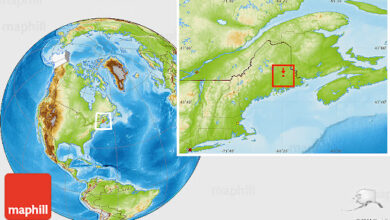
MOD West Freugh is located near Stranraer in the historic county of Wigtownshire, within the Dumfries and Galloway region of southwest Scotland. The site lies close to Luce Bay, an area that has long offered practical advantages for military operations because of its open coastline and relatively low population density. These natural characteristics have helped make the location suitable for defence activities that require carefully managed land, sea, and airspace while maintaining a high level of operational safety.
The surrounding landscape has played an important role in the site’s long-term value. Open coastal waters provide additional space for specialist trials, while the area’s distance from major urban centres reduces potential disruption during authorised testing activities. At the same time, road access and regional transport links allow personnel, equipment, and technical support to reach the facility efficiently. This balance between accessibility and security has contributed to MOD West Freugh remaining an important part of the United Kingdom’s defence estate for many decades.
The Early History of MOD West Freugh
The origins of West Freugh can be traced to the early years of military aviation, when Britain began expanding its aviation infrastructure to support national defence. During the First World War, the area was associated with military flying activities that demonstrated the growing importance of aircraft in reconnaissance, training, and operational planning. As aviation technology advanced during the following decades, West Freugh developed into a more established military airfield capable of supporting increasingly specialised roles within the armed forces.
The site’s importance grew significantly during the years leading to the Second World War. As Britain strengthened its military preparedness, RAF West Freugh became an active training location where aircrews developed essential flying and operational skills. Its coastal position made it particularly suitable for bombing and gunnery instruction, allowing personnel to train in conditions that closely reflected real operational environments. This period established West Freugh as a respected military aviation centre whose contribution extended well beyond Scotland.
MOD West Freugh During the Second World War
During the Second World War, RAF West Freugh supported Britain’s wider wartime aviation programme by helping prepare aircrews for demanding operational duties. Training activities focused on improving bombing accuracy, aerial gunnery, navigation, and other essential military skills that contributed to the effectiveness of Royal Air Force operations. The airfield became part of a broader network of military stations working together to strengthen Britain’s air capability during one of the most challenging periods in modern history.
Beyond pilot instruction, the airfield also supported the testing and evaluation of equipment designed to improve operational performance. As wartime aviation technology developed rapidly, military planners required locations where new equipment and procedures could be assessed under realistic conditions. West Freugh’s location and established infrastructure allowed it to contribute to these efforts while supporting the continuous development of military aviation throughout the conflict. Its wartime legacy remains one of the defining chapters in the site’s long history.
How RAF West Freugh Became MOD West Freugh
Following the end of the Second World War, Britain’s defence priorities gradually shifted from large-scale wartime operations to research, testing, and technological development. Rather than losing its importance, West Freugh adapted to these changing requirements by moving away from its original role as a conventional Royal Air Force station. This transition reflected broader changes across the UK’s defence infrastructure, where specialist facilities became increasingly valuable for evaluating new military equipment and emerging technologies.
As the Ministry of Defence expanded its focus on advanced testing and operational assessment, the site became known as MOD West Freugh. Instead of concentrating primarily on routine flying operations, the establishment developed into a dedicated location supporting carefully managed defence programmes. This transformation allowed the facility to continue serving national security while adapting to the rapid pace of technological progress that characterised the second half of the twentieth century.
Why MOD West Freugh Remains Important Today

MOD West Freugh continues to hold strategic importance because it provides a secure environment where defence organisations can carry out specialist testing and evaluation activities. Publicly available information indicates that the facility supports programmes requiring carefully controlled operating conditions, helping ensure that equipment performs safely and effectively before entering wider service. Its combination of dedicated infrastructure and restricted operational areas makes it a valuable national resource that supports the long-term development of defence capability.
The site’s significance is also linked to its ability to evolve alongside changing military requirements. Modern defence increasingly depends on reliable technology, accurate data, and thorough equipment assessment before systems become operational. Facilities such as MOD West Freugh contribute to this process by providing an environment designed for careful evaluation rather than routine military flying. This continued adaptability explains why the establishment remains relevant despite the many changes that have shaped British defence over recent decades.
Infrastructure and Specialist Facilities at MOD West Freugh
The infrastructure at MOD West Freugh reflects its specialist purpose rather than the layout of a conventional commercial airport or active frontline air base. Over many decades, the site has been adapted to support defence-related activities that require dedicated operational areas, technical buildings, secure storage, and carefully managed access. Its facilities have evolved alongside advances in military technology, allowing the establishment to continue supporting modern defence programmes while retaining elements of its historic aviation heritage. This balance between preservation and modernization highlights the site’s ongoing value within the wider UK defence network.
Another defining feature of MOD West Freugh is the combination of its land-based facilities with nearby controlled airspace and coastal operating areas. This unique setting allows authorised organisations to conduct trials and technical assessments in a safe environment that minimizes disruption to surrounding communities. Strict security measures, restricted access, and operational procedures protect both personnel and sensitive equipment while ensuring that testing activities are carried out responsibly. These characteristics distinguish MOD West Freugh from many former RAF stations that no longer perform specialist defence functions.
MOD West Freugh and Its Importance to UK Defence
Although much of the work carried out at MOD West Freugh is not publicly discussed in detail, the site’s continued operation demonstrates its ongoing value to the United Kingdom’s defence capability. Modern military equipment must undergo extensive assessment before it is introduced into operational service, and specialist facilities provide the controlled conditions needed for accurate evaluation. By supporting these activities, MOD West Freugh contributes to improving reliability, safety, and performance across a range of defence technologies without requiring the large-scale infrastructure associated with conventional military air bases.
The importance of the site also extends beyond equipment testing. It represents part of a wider network of defence establishments that help maintain national preparedness through research, technical expertise, and operational support. As defence technologies continue to evolve, facilities capable of adapting to new requirements remain valuable assets. The long operational history of MOD West Freugh demonstrates how established military sites can continue serving important purposes while responding to changing security challenges and technological developments.
Relationship With the Local Community and Environment
MOD West Freugh has maintained a close connection with nearby communities for many decades. The presence of the establishment has contributed to local employment, supported specialist engineering and technical roles, and generated economic activity through contracts and support services. While the facility operates under strict security arrangements, its long history means that it forms an important part of the area’s identity and reflects the region’s contribution to Britain’s defence heritage.
Environmental management has also become an important consideration for modern defence estates. Because MOD West Freugh is located within a coastal landscape, operational activities are planned with consideration for environmental responsibilities alongside defence requirements. Managing land responsibly while maintaining essential military capability helps preserve the surrounding area for future generations. This balanced approach demonstrates how operational needs and environmental stewardship can coexist within carefully managed defence sites.
The Future of MOD West Freugh
The future of MOD West Freugh will depend on how defence priorities continue to develop in response to emerging technologies and evolving security requirements. Modern military programmes increasingly rely on advanced systems, improved data collection, and sophisticated evaluation processes before new capabilities become operational. Facilities that already possess secure infrastructure and specialist operating environments are well positioned to support these changing needs, allowing them to remain valuable even as defence technology continues to advance.
At the same time, the site’s historical importance ensures that MOD West Freugh remains significant beyond its operational role. It represents an important chapter in Britain’s aviation and military history while continuing to contribute to present-day defence capability. By adapting to modern requirements without losing its historical identity, the establishment demonstrates how long-standing military infrastructure can remain relevant in a rapidly changing world. This combination of heritage and continued usefulness gives MOD West Freugh lasting strategic and historical value.
Conclusion
MOD West Freugh stands as one of Scotland’s most notable military establishments, combining a rich aviation heritage with an ongoing role in supporting the United Kingdom’s defence infrastructure. From its early military aviation origins and wartime service as RAF West Freugh to its later development as a specialist Ministry of Defence facility, the site has continually adapted to meet changing operational requirements. Its strategic location, dedicated infrastructure, and long record of service have enabled it to remain an important part of Britain’s defence landscape for generations.
Although public access to MOD West Freugh is restricted, its historical significance and continued operational purpose make it an area of lasting interest for researchers, aviation enthusiasts, and readers exploring Britain’s military history. The site’s ability to evolve alongside technological progress while preserving its historical legacy highlights why it continues to attract attention today. As defence requirements continue to change, MOD West Freugh is likely to remain an important example of how historic military facilities can successfully support modern national security objectives.
Frequently Asked Questions
What is MOD West Freugh?
MOD West Freugh is a Ministry of Defence establishment in southwest Scotland that has evolved from a former Royal Air Force station into a specialist defence site supporting testing, evaluation, and other authorised military activities.
Where is MOD West Freugh located?
The site is located near Stranraer, close to Luce Bay, in the Dumfries and Galloway region of southwest Scotland. Its coastal position has contributed to its long-standing military importance.
Was MOD West Freugh once known as RAF West Freugh?
Yes. The establishment originally operated as RAF West Freugh before its role changed over time to support broader Ministry of Defence requirements and specialist defence activities.
Why is MOD West Freugh considered important?
Its history, secure location, and specialist facilities have allowed the site to support Britain’s defence capability for many decades. It continues to play a valuable role within the wider UK defence infrastructure.
Can members of the public visit MOD West Freugh?
No. MOD West Freugh is an operational defence establishment with restricted access. Entry is limited to authorised personnel and approved visitors in accordance with security requirements.
Does MOD West Freugh still operate today?
Yes. Publicly available information confirms that the establishment remains an active Ministry of Defence site supporting specialist defence-related work.
Why do people search for MOD West Freugh?
Many people are interested in the site’s wartime history, its connection to the Royal Air Force, its continuing defence role, and its place within Scotland’s military and aviation heritage.
How has MOD West Freugh changed over time?
The site has developed from a wartime RAF airfield into a modern defence establishment focused on specialist activities. Its ability to adapt to changing military requirements has helped ensure its continued relevance while preserving its historical importance.
You May Also Read: Sir Jeremy Fleming