2 Cups Pasta in Grams: Dry Pasta Weight, Cooked Conversion, Serving Size, and Measurement Guide

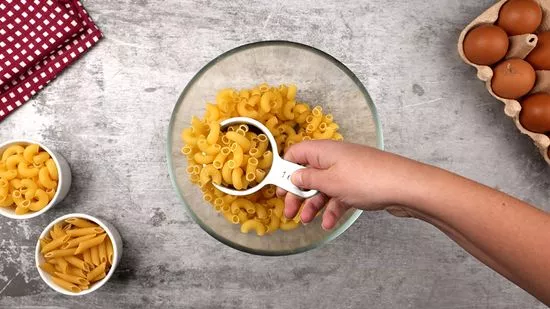
When converting 2 Cups Pasta in Grams, many people expect one exact number, but pasta measurements can be slightly confusing because cups measure volume while grams measure weight. Different pasta shapes have different sizes, designs, and empty spaces between pieces, which means two cups of spaghetti may not weigh exactly the same as two cups of penne or macaroni.
For a general measurement, 2 cups of dry pasta is approximately 200 grams. However, the exact weight can vary depending on the pasta shape, brand, and how tightly the pasta fills the cup. Some pasta types may weigh slightly more or less, so this conversion should be treated as a practical estimate rather than a strict rule.
Understanding 2 Cups Pasta in Grams is useful for home cooks, meal planners, and anyone following recipes that use different measurement systems. Many recipes from the United States use cups, while recipes from other countries often use grams. Knowing how to convert between these measurements helps create better portion control, reduces food waste, and makes cooking results more consistent.
How Many Grams Are in 2 Cups of Dry Pasta?
The most common answer for 2 Cups Pasta in Grams is around 200 grams of dry pasta. This measurement is often used as a general reference for standard pasta shapes, but the final weight can change depending on whether you are measuring spaghetti, shells, penne, fusilli, or another variety. Dry pasta has different shapes and structures, which affects how much fits inside a measuring cup.
For example, long pasta such as spaghetti can leave more empty spaces inside a cup, while smaller shapes like macaroni or penne may fill the same space differently. Because of these differences, a cup is not always the most precise way to measure pasta. A digital kitchen scale provides a more reliable measurement because it measures the actual weight instead of estimating based on volume.
When preparing everyday meals, using 200 grams as a starting point works well for most dry pasta recipes. However, if you are following a recipe that requires exact portions, tracking nutrition, or preparing meals for multiple people, weighing pasta before cooking will give more consistent results.
2 Cups Pasta in Grams Conversion Chart
Because pasta shapes vary, a conversion chart can help provide a better understanding of how much different pasta varieties may weigh. The following values are approximate because the final weight depends on pasta size, brand, and how the cup is filled.
| Pasta Type | Approximate Weight of 2 Cups Dry Pasta |
| Spaghetti | 180–220 grams |
| Penne | 200–230 grams |
| Macaroni | 200–240 grams |
| Fusilli | 200–230 grams |
| Farfalle | 190–220 grams |
| Rotini | 200–230 grams |
The reason these numbers vary is that pasta is not a completely uniform ingredient. A cup of thin spaghetti contains more air gaps between pieces, while compact shapes can fill the container more efficiently. This difference changes the total weight even though the volume remains the same.
For the most accurate 2 Cups Pasta in Grams conversion, it is always better to check the pasta package instructions or measure the pasta with a kitchen scale. Many professional kitchens rely on weight measurements because they allow recipes to be repeated accurately every time.
How Much Does 2 Cups of Cooked Pasta Weigh?
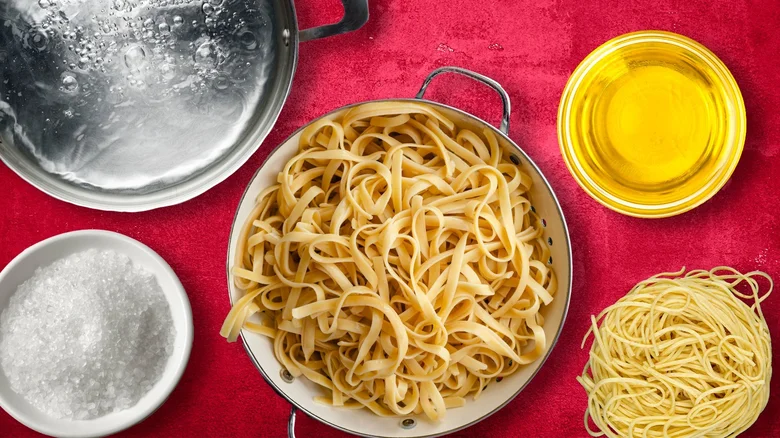
A common mistake is confusing dry pasta measurements with cooked pasta measurements. Dry pasta absorbs water during cooking, which increases its weight significantly. If you are measuring 2 Cups Pasta in Grams, you need to know whether the recipe refers to pasta before cooking or after cooking.
Generally, 2 cups of cooked pasta weighs around 400 grams. The increase happens because pasta absorbs water while boiling, making the cooked product heavier than the original dry ingredient. The exact weight can change depending on cooking time, pasta shape, and how much water remains after draining.
This difference is especially important for calorie tracking and meal preparation. Nutrition labels usually provide information based on dry pasta weight, so measuring cooked pasta may create confusion if you are trying to calculate exact portions. For better accuracy, many people prefer weighing pasta before cooking.
A simple comparison:
| Pasta Measurement | Approximate Weight |
| 2 cups dry pasta | Around 200 grams |
| 2 cups cooked pasta | Around 400 grams |
Why Pasta Shape Changes the Weight of 2 Cups
The biggest reason 2 Cups Pasta in Grams can have different answers is the shape of the pasta. Unlike liquids, pasta pieces do not fill a measuring cup in the same way. Long, thin pasta, hollow pasta, and small compact shapes all create different amounts of empty space inside the cup.
For example, two cups of spaghetti may weigh differently from two cups of penne because spaghetti strands do not stack in the same way as short pasta pieces. Hollow shapes can also create more air gaps, affecting the total amount of pasta inside the measuring cup.
This is why recipes that require accuracy often use grams instead of cups. Measuring by weight removes the uncertainty caused by shape and packing. While cups are convenient for quick cooking, grams are more reliable when you need the same result every time.
Understanding this difference helps explain why online pasta conversions sometimes show slightly different numbers. The variation does not always mean one source is wrong; it often means the pasta type or measurement method is different.
How Many Servings Are in 2 Cups of Pasta?
Knowing the weight of 2 Cups Pasta in Grams also helps determine serving sizes. Around 200 grams of dry pasta can usually provide approximately three to four standard servings, depending on the recipe, portion size, and whether the pasta is served as a main dish or side dish.
A typical serving of dry pasta is often around 50 to 75 grams per person. Based on this range, two cups of dry pasta can be suitable for a family meal or several individual portions. However, larger servings or recipes with fewer additional ingredients may require more pasta per person.
Meal preparation becomes easier when pasta is measured by weight. Instead of guessing how much pasta to cook, you can divide portions before cooking and prepare exactly what you need. This is useful for families, athletes, people tracking nutrition, and anyone who prepares meals in advance.
2 Cups Pasta in Grams and Ounces Conversion
Many recipes, especially in the United States, use ounces instead of grams. Understanding both measurements makes it easier to follow recipes from different sources.
A general conversion is:
- 200 grams of dry pasta = approximately 7 ounces
- 225 grams of dry pasta = approximately 8 ounces
These conversions are useful when shopping for pasta packages or adjusting recipes. For example, if a recipe requires 2 cups of pasta but your package only lists ounces, knowing the approximate weight helps you measure the correct amount.
Using weight measurements also makes scaling recipes easier. If you want to double or reduce a recipe, multiplying grams is often more accurate than trying to estimate cup measurements.
Best Way to Measure 2 Cups of Pasta Accurately
The most accurate way to measure 2 Cups Pasta in Grams is by using a digital kitchen scale. A scale measures the actual weight of the pasta and removes the uncertainty caused by pasta shape, size, and how the pieces are arranged inside a cup.
If you do not have a scale, measuring cups can still provide a useful estimate. However, avoid pressing pasta tightly into the cup because this changes the amount being measured. Fill the cup naturally and use the same method each time for more consistent results.
For long pasta such as spaghetti, portion tools can also help. Some kitchen tools are designed to measure spaghetti servings by diameter, making them convenient for quick preparation. However, for the highest accuracy, weighing dry pasta remains the preferred method.
Common Mistakes When Converting Pasta Cups to Grams
One common mistake when converting 2 Cups Pasta in Grams is assuming every pasta type has the same weight. Since pasta comes in many shapes and sizes, the same volume measurement can produce different results.
Another mistake is measuring pasta after cooking when a recipe requires dry pasta. Cooked pasta contains absorbed water, so its weight is much higher. Always check whether a recipe refers to dry or cooked measurements before converting.
People also often rely only on visual estimates. While experienced cooks can judge portions by eye, using a scale provides better accuracy, especially when preparing meals with specific nutritional goals.
Understanding these common mistakes makes pasta preparation easier and prevents issues such as cooking too much food, incorrect portions, or inaccurate recipe results.
Conclusion
Knowing the correct conversion for 2 Cups Pasta in Grams makes cooking easier and more predictable. As a general guide, 2 cups of dry pasta weighs around 200 grams, while the same volume of cooked pasta can weigh around 400 grams because of water absorption.
The exact weight depends on pasta shape, brand, and measurement method, so a kitchen scale remains the most accurate option. Whether you are preparing a family meal, tracking portions, or following an international recipe, understanding pasta weight conversions helps you cook with greater confidence and consistency.
FAQs
How many grams are 2 cups of dry pasta?
2 cups of dry pasta is approximately 200 grams, although the exact weight can vary by pasta shape.
How much does 2 cups of cooked pasta weigh?
2 cups of cooked pasta weighs around 400 grams because pasta absorbs water during cooking.
Does pasta shape affect the weight of 2 cups?
Yes, different pasta shapes fill cups differently, which changes the final weight.
How many people can 2 cups of pasta serve?
Around 200 grams of dry pasta can usually serve about three to four people.
Should pasta be measured before or after cooking?
For accurate recipes and nutrition tracking, pasta is usually measured before cooking.
You May Also Read: 225g of Flour in ML