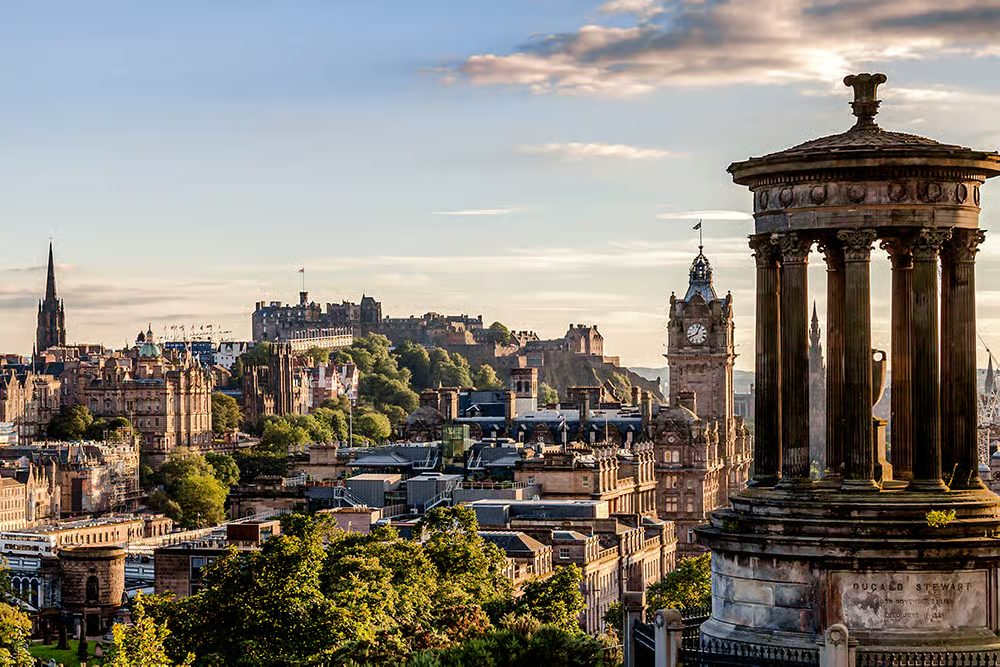
Few cities manage to preserve centuries of history while continuing to reinvent themselves for the future. Standing on ancient volcanic landscapes with a skyline shaped by castles, towers, and historic streets, Edinburgh has become one of the world’s most fascinating destinations. From medieval architecture and literary traditions to technology, education, and cultural innovation, the Scottish capital represents a rare combination of the past and the present living side by side.
Every year, millions of visitors arrive to explore its famous landmarks, festivals, museums, and neighbourhoods. However, beyond tourism, Edinburgh is also a centre of academic excellence, financial services, scientific research, and creative industries. Its story is not only about historic buildings but also about how a city can adapt while protecting its identity.
The Historical Foundations That Shaped Edinburgh
The story of Edinburgh begins more than a thousand years ago, with evidence of human settlement around the dramatic landscape of Castle Rock. The location provided natural defensive advantages, helping the area develop into an important centre of power in Scotland. Over centuries, the city evolved from a medieval settlement into a political and cultural capital.
The medieval Old Town remains one of the strongest examples of historical urban development in Europe. Narrow streets, underground passages, and centuries-old buildings reveal how people lived during different periods of Scottish history. Meanwhile, the Georgian New Town, developed during the 18th century, introduced planned streets, elegant architecture, and a vision of urban improvement that transformed the city’s appearance.
The combination of Old Town and New Town eventually gained international recognition as a UNESCO World Heritage Site. This protection reflects the importance of preserving historical environments while allowing modern communities to continue growing.
Edinburgh Castle and the City’s Iconic Skyline
The image of Edinburgh is closely connected with its famous castle, which sits dramatically above the city on Castle Rock. The fortress has played a central role in Scottish history, serving as a royal residence, military stronghold, and symbol of national identity.
Visitors today explore attractions such as the Crown Jewels of Scotland, historic military exhibitions, and panoramic views across the city. However, the importance of Edinburgh Castle extends beyond tourism because it represents centuries of political change, conflicts, and cultural development.
The city’s skyline is also shaped by landmarks including the Scott Monument, Holyrood Palace, Arthur’s Seat, and historic churches. Together, these sites create a unique visual identity that distinguishes the Scottish capital from other European cities.
Edinburgh’s Role as a Global Cultural Destination
Culture has always been at the heart of Edinburgh. The city is internationally recognised for hosting major events that attract artists, performers, writers, and audiences from around the world. Among these events, the Edinburgh Festival Fringe has become one of the largest arts festivals globally.
The festival transforms streets, theatres, and public spaces into creative venues every year. It showcases thousands of performances across comedy, theatre, music, and experimental art. This cultural atmosphere has strengthened the city’s reputation as a place where creativity and innovation can flourish.
Beyond festivals, Edinburgh has a strong literary heritage. The city has connections with famous writers including Robert Louis Stevenson, Sir Walter Scott, and Arthur Conan Doyle. Its relationship with literature helped it become the world’s first UNESCO City of Literature, highlighting the importance of storytelling and intellectual creativity.
Education and Research Excellence in Edinburgh
Education has played a major role in shaping the identity of Edinburgh for centuries. The University of Edinburgh, founded in 1582, is one of the world’s leading research institutions and has contributed significantly to science, medicine, technology, and humanities.
The university has produced influential researchers and thinkers while maintaining a strong international reputation. Its research activities cover areas such as artificial intelligence, biotechnology, climate science, and medical innovation.
The city’s educational environment attracts students from across the globe. This international community contributes to the diversity, energy, and economic strength of Edinburgh, creating connections between academic research and real-world industries.
Edinburgh’s Modern Economy and Business Growth
Although history remains a major attraction, modern Edinburgh has developed into an important economic centre. The city is one of the United Kingdom’s leading financial hubs, with strong sectors in banking, insurance, technology, and professional services.
Financial services have been part of the city’s economy for generations, supported by institutions such as the Bank of Scotland and other major organisations. In recent years, technology companies and startups have expanded the city’s economic landscape.
The growth of sectors including fintech, software development, and data science has positioned Edinburgh as a city that combines traditional industries with emerging opportunities. This balance between established businesses and innovation has helped attract investment and skilled professionals.
Exploring Edinburgh’s Neighbourhoods and Local Experiences
Many visitors first discover Edinburgh through famous attractions, but the city’s neighbourhoods reveal a deeper understanding of local life. Areas such as Stockbridge, Leith, and Bruntsfield offer independent shops, restaurants, markets, and community spaces.
Leith, once known mainly as a historic port area, has experienced significant regeneration and has become one of the city’s most vibrant districts. Its restaurants, creative spaces, and waterfront developments reflect the changing character of modern urban Scotland.
Stockbridge provides a different experience with its village-like atmosphere, independent businesses, and weekend market. Exploring these areas allows travellers to experience everyday life beyond traditional tourist routes.
Nature, Landscapes, and Outdoor Adventures

One of the unique features of Edinburgh is the easy connection between urban life and nature. Few capital cities offer such dramatic landscapes within walking distance of the city centre.
Arthur’s Seat, an ancient volcanic hill located in Holyrood Park, provides one of the most famous viewpoints in Scotland. The climb offers visitors wide views across the city, coastline, and surrounding countryside.
The city’s green spaces, including Princes Street Gardens and Holyrood Park, provide opportunities for walking, relaxation, and outdoor activities. This connection with nature contributes to the quality of life experienced by residents and visitors.
Tourism Trends and the Future of Edinburgh
Tourism continues to be one of the strongest contributors to Edinburgh’s global reputation. However, like many historic destinations, the city faces the challenge of balancing visitor demand with preservation and sustainability.
Modern tourism strategies increasingly focus on responsible travel, protecting historic areas, supporting local businesses, and encouraging visitors to explore beyond the busiest attractions. Sustainable transportation, environmental awareness, and community-focused tourism are becoming more important.
Looking ahead, Edinburgh is expected to continue developing as a destination that combines heritage with innovation. Advances in digital tourism, smart city technology, and sustainable development are likely to influence how people experience the city in the future.
Food, Festivals, and the Everyday Edinburgh Experience
Food culture has become another important part of the city’s identity. Traditional Scottish cuisine exists alongside international restaurants, modern dining concepts, and independent cafés. Visitors can experience everything from classic dishes to innovative culinary creations.
Local markets and neighbourhood restaurants showcase the connection between food, community, and culture. The growth of independent businesses has added new energy to the city’s dining scene.
Festivals, seasonal events, and public celebrations create opportunities for residents and visitors to connect. These experiences demonstrate that Edinburgh is not only a collection of historic landmarks but also a living city with a constantly evolving character.
Practical Tips for Visiting Edinburgh
Planning a visit to Edinburgh requires understanding the city’s layout, seasons, and attractions. The historic centre is highly walkable, making it possible to explore many major landmarks on foot.
The summer months are especially popular because of major festivals and longer daylight hours. However, visitors who prefer quieter experiences may enjoy spring or autumn when attractions are often less crowded.
Travellers should also explore areas outside the main tourist routes, use public transportation when needed, and allow enough time to experience both historic sites and modern neighbourhoods. A balanced itinerary provides a more complete understanding of the city.
Key Takeaways
- Edinburgh combines centuries of history with modern innovation.
- The city’s UNESCO-listed areas showcase exceptional architectural heritage.
- Cultural festivals have made Edinburgh a global creative destination.
- Education and research continue to influence the city’s growth.
- Financial services and technology are important parts of the modern economy.
- Nature, neighbourhoods, and local experiences add depth beyond major attractions.
- Sustainable tourism will play an important role in the city’s future.
Conclusion
Edinburgh remains one of the world’s most remarkable cities because it successfully connects history, culture, education, and modern development. Its ancient streets tell stories of the past, while its universities, businesses, and creative communities continue building the future.
Whether someone visits for its castles, festivals, literature, landscapes, or innovative industries, the city offers experiences that go far beyond traditional tourism. The ability of Edinburgh to protect its heritage while embracing change makes it a powerful example of how historic cities can thrive in the modern world.
For travellers, students, entrepreneurs, and history enthusiasts, exploring this remarkable Scottish capital provides an opportunity to discover a place where every street, building, and community has a story worth experiencing.
FAQs
What is Edinburgh famous for?
Edinburgh is famous for its castle, festivals, historic architecture, literature, and cultural heritage.
Is Edinburgh a good city to visit?
Yes, it offers history, attractions, nature, food, and cultural experiences for different types of travellers.
How many days are enough for Edinburgh?
Three to four days are usually enough to explore the main attractions and neighbourhoods.
Why is Edinburgh a UNESCO city?
Edinburgh has UNESCO recognition because of its outstanding historic areas and literary importance.
What is the best time to visit Edinburgh?
Summer is popular for festivals, while spring and autumn offer fewer crowds and pleasant conditions.
You May Also Read: PMT Biology