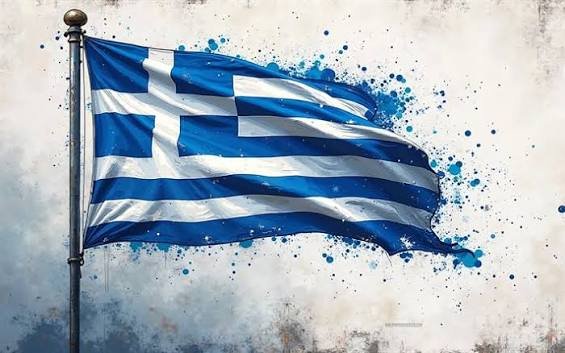
The Greek flag is one of the most recognisable national symbols in the world, representing the history, culture, independence, and traditions of Greece. With its famous blue and white colours, the flag reflects the strong connection between the Greek people and their homeland. It is displayed proudly during national celebrations, cultural events, and international occasions, showing the importance of identity and heritage.
The design of the Greek flag may appear simple, but every element carries a deeper meaning connected with Greece’s past. The stripes, colours, and cross represent important values such as freedom, faith, unity, and national pride. Understanding the story behind the flag provides a fascinating insight into Greek history and the traditions that continue to influence the country today.
History of the Greek Flag and Its Origins
The history of the Greek flag is closely connected with Greece’s struggle for independence and the development of modern Greek identity. During the Greek War of Independence in 1821, blue and white colours became powerful symbols representing the nation’s desire for freedom and self-determination. These colours appeared in early Greek flags and continued to influence the design used today.
Before the current version became the official national symbol, Greece experienced several changes in its flag designs. Different periods of Greek history introduced variations, but the use of blue, white, and the cross remained important features. The modern Greek flag represents a combination of historical traditions and the country’s journey towards independence and recognition.
Design of the Greek Flag and Its Unique Features
The Greek flag features nine horizontal stripes made up of alternating blue and white colours, along with a white cross placed inside a blue square in the upper left corner. This design creates a distinctive appearance that makes the flag instantly recognisable around the world. The balanced arrangement of colours and symbols reflects both simplicity and deep historical meaning.
The structure of the Greek flag follows specific proportions and design rules that maintain its traditional appearance. The cross represents religious and cultural connections, while the stripes add another layer of symbolism. Together, these elements create a national symbol that represents Greece’s values, history, and connection to its people.
Meaning Behind the Colours of the Greek Flag
The colours used in the Greek flag have strong links to Greece’s natural environment and cultural history. The blue colour is often associated with the Greek seas and the clear skies that surround the country. Since Greece is known for its islands, coastline, and Mediterranean landscape, the colour blue has become closely connected with the nation’s identity.
The white colour represents purity, peace, and the ideals connected with the Greek independence movement. The combination of blue and white creates a powerful image that reflects both the beauty of Greece’s natural surroundings and the values that shaped its historical development. These colours continue to inspire feelings of pride among Greek citizens worldwide.
The Symbolism of the Cross and Nine Stripes
The cross on the Greek flag is an important symbol connected with the Greek Orthodox Christian tradition. It represents the historical influence of Christianity in Greece and its role in preserving cultural identity throughout different periods. The white cross against the blue background creates a strong visual feature that distinguishes the flag from many others.
The nine stripes on the Greek flag also carry important symbolic meanings. Many believe they represent the famous Greek phrase “Eleftheria i Thanatos”, which translates as “Freedom or Death”. Another interpretation connects the stripes with the nine Muses of ancient Greek mythology, linking the modern flag with Greece’s classical heritage.
The Greek Flag and National Identity
The Greek flag plays an important role in representing national identity and bringing people together through shared history and traditions. For Greek citizens, the flag is more than a piece of fabric; it represents the struggles, achievements, and cultural values that have shaped the nation over centuries. It is proudly displayed during important occasions, including national holidays, public ceremonies, and community celebrations.
Across Greece and in Greek communities around the world, the Greek flag continues to create a strong connection with the homeland. People living abroad often display the flag during cultural festivals and events to celebrate their heritage. The symbol reminds communities of their roots and preserves the connection between modern generations and Greece’s rich historical background.
Important Celebrations Featuring the Greek Flag
The Greek flag is commonly displayed during national celebrations and historical events throughout the year. One of the most important occasions is Greek Independence Day, celebrated on 25 March, when citizens honour the beginning of the independence movement and remember the country’s journey towards freedom.
During public celebrations, schools, government buildings, and homes often display the Greek flag as a sign of respect and national pride. The flag also appears during religious festivals, sporting competitions, and international events where Greek identity is represented. These occasions show how deeply connected the flag is with everyday cultural traditions.
Interesting Facts About the Greek Flag

The Greek flag has many interesting details that make it unique among national symbols. Although the design looks simple, each part has a historical meaning connected with freedom, religion, and Greek culture. The combination of blue and white stripes with the cross creates a design that is easily recognised by people around the world.
One interesting fact about the Greek flag is that the blue and white colours have been connected with Greece for many generations. Another fascinating detail is that the flag has changed throughout different historical periods before reaching its current official design. These changes reflect the development of Greece as a modern nation.
The Evolution of the Greek Flag Throughout History
The design of the Greek flag has developed through different stages as the country experienced political and social changes. Early versions of Greek flags appeared during the independence movement, with many designs featuring crosses, blue backgrounds, and symbols connected with Greek traditions.
Over time, the striped design became more widely recognised and eventually became the official national flag. The evolution of the Greek flag reflects the country’s journey from independence to becoming a modern European nation. Each stage of its development represents an important chapter in Greek history and national identity.
The Greek Flag Around the World
The Greek flag is recognised internationally and can be seen in many countries where Greek communities live. From cultural festivals to diplomatic events, the flag represents Greece and its traditions on a global stage. Its famous blue and white colours allow people to immediately associate it with Greek culture and history.
Greek communities abroad often use the flag to celebrate their heritage and maintain connections with their homeland. It appears at Greek festivals, sporting events, and cultural gatherings, helping younger generations understand and appreciate their background. The worldwide presence of the flag demonstrates the lasting influence of Greek culture.
Why the Greek Flag Remains a Powerful Symbol
The Greek flag remains an important symbol because it represents centuries of history, cultural traditions, and national pride. Its design combines meaningful colours, historical references, and religious symbolism to create a powerful representation of Greece. The flag continues to inspire respect among Greek citizens and people interested in Greek heritage.
The continued popularity of the Greek flag shows how national symbols can preserve history and connect people across generations. From ancient influences to modern celebrations, the flag represents the spirit of Greece and the values that have shaped its identity throughout history.
Conclusion
The Greek flag is much more than a national emblem; it is a representation of freedom, culture, faith, and historical achievement. Its blue and white colours, nine stripes, and cross symbol tell a story that connects modern Greece with its rich past. Understanding the meaning behind the flag allows people to appreciate the traditions and values it represents.
From its origins during the independence movement to its role in modern celebrations, the Greek flag continues to hold a special place in Greek society. It remains a symbol of unity and pride, reminding people around the world of Greece’s unique history, cultural influence, and national spirit.
Frequently Asked Questions
What do the colours of the Greek flag represent?
The blue and white colours of the Greek flag represent important aspects of Greek identity. Blue is commonly associated with the sea and sky surrounding Greece, while white represents purity, peace, and the ideals connected with freedom and independence.
Why does the Greek flag have nine stripes?
The nine stripes on the Greek flag are often believed to represent the phrase “Eleftheria i Thanatos”, meaning “Freedom or Death”. Some interpretations also connect the stripes with the nine Muses from ancient Greek mythology.
What does the cross on the Greek flag mean?
The white cross on the Greek flag represents the Greek Orthodox Christian tradition. It reflects the important role that religion has played in Greek culture and national identity throughout history.
When was the modern Greek flag adopted?
The current design of the Greek flag was officially adopted as the national flag in 1978. However, its colours and symbols have much older connections with Greek history and independence.
What is another name for the Greek flag?
The Greek flag is often known as “Galanolefki”, which means “blue and white”. This name refers to the distinctive colours that make the flag easily recognisable.
Why is the Greek flag important to Greek people?
The Greek flag is important because it represents national pride, independence, cultural heritage, and the shared history of the Greek people. It creates a strong connection between citizens and their country.
Has the Greek flag changed over time?
Yes, the Greek flag has changed throughout history. Different versions were used during different periods before the modern blue and white striped design became the official national symbol.
Where can the Greek flag be seen?
The Greek flag can be seen on government buildings, schools, homes, ships, sporting events, and cultural celebrations. It is also displayed by Greek communities around the world.
What makes the Greek flag unique?
The Greek flag is unique because of its meaningful combination of nine stripes, blue and white colours, and the cross symbol. These elements represent important parts of Greece’s history, culture, and identity.
You May Also Read: France Map