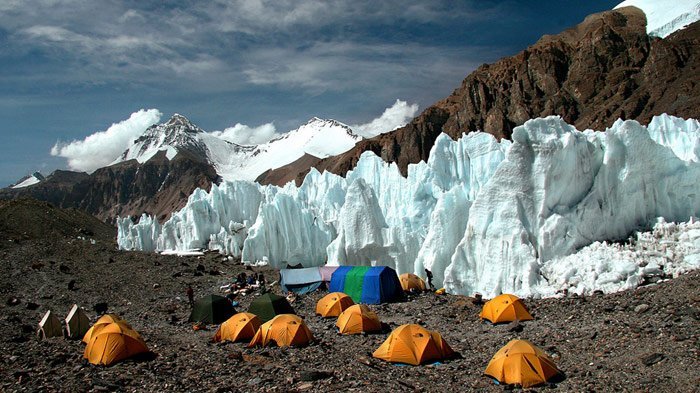
Advanced Base Camp is one of the most remarkable destinations for trekkers and mountaineers who dream of exploring the breathtaking landscapes surrounding Mount Everest. Located high on the northern side of the world’s tallest mountain, it serves as an essential stop for climbers preparing for summit expeditions. Unlike ordinary trekking camps, this high-altitude location offers extraordinary views, challenging conditions, and a unique opportunity to experience the Himalayas from a completely different perspective.
For many adventure enthusiasts, reaching Advanced Base Camp is an achievement that combines physical endurance with unforgettable natural beauty. Although the journey requires careful preparation and proper acclimatisation, it does not necessarily involve technical climbing skills for those following organised trekking routes. Understanding the purpose, location, and challenges of this famous camp helps travellers prepare for one of the world’s most rewarding mountain adventures.
What Is Advanced Base Camp?
Advanced Base Camp is a temporary high-altitude camp established above the main base camp during major mountaineering expeditions. It functions as an important operational centre where climbers acclimatise, organise equipment, receive medical support, and prepare for higher camps before attempting a summit. On Mount Everest, this camp plays a critical role in ensuring climbers adjust safely to the extreme altitude before moving into more demanding sections of the mountain.
Unlike a traditional base camp, Advanced Base Camp is positioned significantly higher and is designed for experienced expedition teams as well as trekkers following specialised routes. The higher elevation creates a more demanding environment where oxygen levels are lower and weather conditions can change rapidly. Despite these challenges, the camp provides spectacular views of Everest’s North Face, making it one of the most sought-after trekking destinations in the Himalayas.
Where Is Everest Advanced Base Camp Located?
Everest Advanced Base Camp is located on the northern slopes of Mount Everest in Tibet, China, beside the impressive East Rongbuk Glacier. Sitting at an altitude of approximately 6,400 metres above sea level, it is one of the highest locations that experienced trekkers can reach without undertaking technical mountaineering. The surrounding landscape features glaciers, rocky valleys, snow-covered peaks, and dramatic mountain scenery that creates an unforgettable experience for visitors.
The journey begins from North Everest Base Camp before continuing along a challenging trail towards Advanced Base Camp over several days. Trekkers gradually gain altitude while crossing glacial terrain and rugged mountain paths designed to encourage proper acclimatisation. This route offers exceptional views of Everest while allowing visitors to appreciate the remote beauty and harsh environment of the Tibetan Plateau.
Advanced Base Camp vs Everest Base Camp
Many travellers confuse Everest Base Camp with Advanced Base Camp, but the two locations have very different purposes. Everest Base Camp serves as the main logistical centre where expedition teams organise supplies, accommodation, communication, and transport before beginning their climb. Advanced Base Camp is situated much higher on the mountain and acts as the next major staging point for acclimatisation and preparation before climbers move towards even higher camps.
For most visitors, Everest Base Camp is easier to reach because it lies at a lower altitude and involves less demanding trekking conditions. Advanced Base Camp requires greater physical fitness, careful altitude management, and several days of gradual climbing. Choosing between these destinations depends on individual experience, fitness levels, and the type of Himalayan adventure each traveller wishes to experience.
The Trek to Advanced Base Camp
The trek to Advanced Base Camp is widely regarded as one of the most spectacular high-altitude journeys in the world. Beginning at North Everest Base Camp, the route follows the East Rongbuk Glacier through rocky valleys, glacial landscapes, and wide mountain plains before gradually climbing towards the camp. Every stage of the journey presents breathtaking scenery, making the challenging conditions worthwhile for adventurous travellers.
Most organised expeditions include carefully planned trekking stages that allow participants to acclimatise safely while progressing towards higher elevations. Rest days are included to reduce the risk of altitude sickness and improve the chances of a successful journey. Along the route, trekkers enjoy incredible views of Everest’s towering summit, surrounding Himalayan peaks, and untouched wilderness that few places on Earth can match.
Altitude, Acclimatisation and Trekking Challenges
One of the most demanding aspects of visiting Advanced Base Camp is the extreme altitude. At around 6,400 metres above sea level, the air contains much less oxygen than at lower elevations. This makes everyday activities such as walking, eating, or sleeping more difficult, especially for people who have not spent time at high altitude before. Proper acclimatisation is essential for reducing the risk of altitude-related illness.
Trekkers should ascend gradually, drink plenty of water, eat nutritious meals, and allow enough time for their bodies to adjust naturally. Common symptoms of altitude sickness include headaches, dizziness, nausea, and unusual tiredness. Travelling with experienced guides and following a carefully planned itinerary greatly improves safety while allowing visitors to enjoy the remarkable scenery surrounding Everest without unnecessary health risks.
Preparing for an Advanced Base Camp Trek

Preparing for an Advanced Base Camp trek begins several months before departure. Building cardiovascular fitness through walking, hiking, cycling, or running helps improve endurance for long trekking days. Strength training also supports the muscles and joints needed for carrying backpacks across uneven mountain terrain. Good preparation makes the journey more enjoyable and increases confidence throughout the expedition.
Packing suitable equipment is equally important for a successful trek. Warm layered clothing, waterproof jackets, insulated gloves, sturdy trekking boots, sleeping gear, sunglasses, and high-factor sunscreen are essential because mountain weather changes quickly. Travellers should also arrange travel insurance, obtain the necessary permits for Tibet, and choose a reputable trekking company with experienced local guides.
Best Time to Visit Advanced Base Camp
The best seasons for visiting Advanced Base Camp are spring and autumn when weather conditions are generally more stable. During spring, clear skies and moderate temperatures create excellent trekking conditions while climbers prepare for Everest summit attempts. Autumn also offers crisp mountain views, pleasant daytime temperatures, and lower chances of heavy snowfall, making it another favourite season for visitors.
Winter brings extremely cold temperatures and strong winds that make trekking much more challenging, while the summer monsoon can reduce visibility and create unpredictable trail conditions. Planning your journey during favourable seasons improves safety, offers clearer views of Mount Everest, and allows trekkers to enjoy the spectacular Himalayan landscape at its finest.
Safety Tips for Visiting Advanced Base Camp
Safety should always remain the highest priority when travelling to Advanced Base Camp. Trekkers should never ignore symptoms of altitude sickness and must be willing to descend immediately if serious health problems develop. Staying hydrated, eating regular meals, maintaining a steady walking pace, and getting enough rest all contribute to a safer and more enjoyable expedition.
Choosing experienced guides and following local advice can significantly reduce many of the risks associated with high-altitude trekking. Visitors should also respect the fragile mountain environment by removing all rubbish, following designated trails, and respecting local customs and regulations. Responsible travel helps preserve the natural beauty of the Everest region for future generations of trekkers and climbers.
Conclusion
Advanced Base Camp represents one of the world’s most extraordinary trekking destinations, offering visitors an unforgettable opportunity to experience Mount Everest from an incredible viewpoint. The journey combines dramatic mountain scenery, physical challenge, and cultural discovery while introducing trekkers to one of the highest accessible camps on Earth. Every stage of the adventure rewards travellers with breathtaking landscapes and lifelong memories.
Careful preparation, gradual acclimatisation, and responsible trekking are essential for enjoying this remarkable expedition safely. Whether you dream of standing beneath Everest’s towering North Face or simply wish to experience the beauty of the Himalayas, Advanced Base Camp provides an inspiring adventure that combines natural wonder with the rich tradition of high-altitude exploration.
FAQs
What is Advanced Base Camp?
Advanced Base Camp is a high-altitude camp located above the main base camp during mountaineering expeditions. It is primarily used for acclimatisation, logistics, and preparing climbers for higher camps.
Where is Everest Advanced Base Camp located?
Everest Advanced Base Camp is situated on the northern side of Mount Everest in Tibet, beside the East Rongbuk Glacier, at an altitude of approximately 6,400 metres.
How difficult is the Advanced Base Camp trek?
The trek is physically demanding because of the high altitude, long walking days, and rugged terrain. Good fitness and proper acclimatisation are essential for completing the journey safely.
Do I need climbing experience to visit Advanced Base Camp?
Most organised trekking routes do not require technical climbing skills. However, visitors should have good physical fitness and experience with long-distance hiking at higher elevations.
What is the best time to visit Advanced Base Camp?
Spring and autumn are considered the best seasons because they usually provide stable weather, clearer skies, comfortable trekking conditions, and excellent mountain views.
How long does the trek usually take?
Most itineraries take several days from North Everest Base Camp to Advanced Base Camp, with additional acclimatisation days included for safety and comfort.
What should I pack for the trek?
Essential items include warm layered clothing, waterproof gear, trekking boots, gloves, sunglasses, sunscreen, a sleeping bag, personal medication, and plenty of reusable water bottles.
Is altitude sickness common at Advanced Base Camp?
Yes. Due to the extreme elevation, altitude sickness is a genuine risk. Gradual ascent, proper hydration, and following your guide’s advice are important for reducing the chances of illness.
You May Also Read: Ausenberg