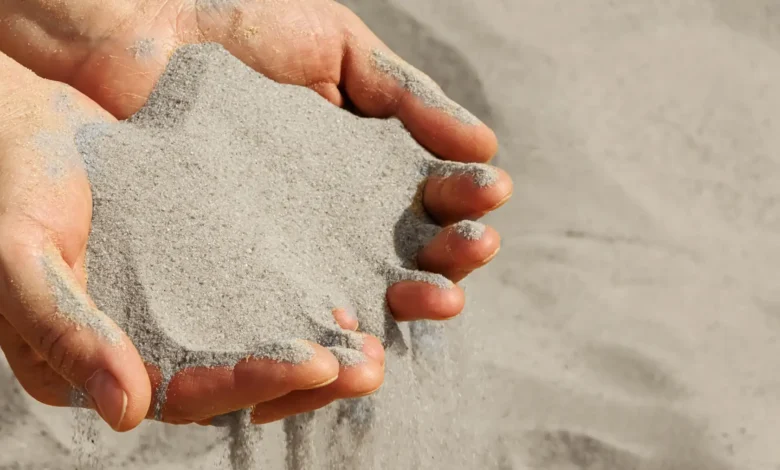
Sand is one of the most abundant yet most essential natural materials on Earth. It is composed of tiny rock and mineral particles that are formed over thousands of years through the process of weathering and erosion. These particles are usually made up of silica (quartz), along with small amounts of other minerals depending on their source. Despite its simple appearance, sand plays a critical role in shaping landscapes, supporting ecosystems, and forming the backbone of modern infrastructure.
The formation of Sand is a slow and continuous natural process. Rocks break down due to wind, water, temperature changes, and natural chemical reactions. Over time, these broken particles are carried by rivers, oceans, and wind, where they are further refined into smaller grains. This is why sand found in rivers, deserts, and seas differs significantly in texture, color, and usability. Each type has its own unique characteristics and applications in various industries.
In today’s world, sand is not just a natural element found on beaches or riverbanks; it is a vital industrial resource. From skyscrapers and bridges to glass manufacturing and electronics, sand is a fundamental ingredient. Its importance is often overlooked, yet without sand, modern civilization as we know it would not exist.
Types of Sand and Their Characteristics
Different types of sand are formed in different environments, which directly affects their quality, texture, and usability. Understanding these types is essential for selecting the right sand for construction or industrial purposes.
River sand is one of the most commonly used types in construction. It is naturally sourced from riverbeds and is known for its smooth texture and fine grains. Because it is naturally washed by flowing water, it contains fewer impurities and is ideal for concrete, plastering, and masonry work. Its balanced grain size helps in providing strength and durability to structures.
Desert sand, on the other hand, is abundant but not suitable for most construction purposes. Its grains are extremely fine and smooth due to constant wind erosion. This smoothness prevents proper bonding with cement, making it structurally weak. Although it is visually appealing, its engineering limitations restrict its use in large-scale construction.
Sea sand is found along coastlines and beaches. While it is readily available, it contains salt and other minerals that can lead to corrosion in reinforced concrete structures. Therefore, it requires extensive washing and treatment before being used in construction. Without proper treatment, sea sand can significantly reduce the lifespan of buildings.
Manufactured sand (M-sand) is an artificial alternative created by crushing hard rocks into fine particles. It is increasingly popular due to its uniform quality and controlled production process. Unlike natural sand, M-sand can be customized to meet specific construction needs, making it a sustainable and reliable option.
Pit sand is excavated from deep pits in the ground. It is coarse in texture and strong in composition, making it suitable for heavy construction work. Its high strength and durability make it a preferred choice for foundational structures.
Physical and Chemical Properties of Sand
The properties of sand determine its suitability for different applications. One of the most important characteristics is grain size. Sand particles vary from fine to coarse, and this variation affects how well they bind with cement or other materials. Fine sand is often used for plastering, while coarse sand is preferred for concrete mixtures.
Another key property is mineral composition. Most sand consists of silica, which is highly durable and resistant to weathering. However, the presence of clay, salt, or organic matter can affect its quality. High-purity sand is essential for industries like glass manufacturing, where even minor impurities can alter product quality.
Permeability is another important feature of sand. It allows water to pass through easily, making sand an excellent material for drainage systems and filtration processes. This property is also crucial in construction, as it helps prevent water accumulation and structural damage.
Moisture content and density also play significant roles in determining sand quality. Wet sand behaves differently from dry sand, especially in concrete mixing. Proper grading and moisture control ensure consistency and strength in construction applications. These physical and chemical properties collectively define the performance and reliability of sand in various industries.
Major Uses of Sand in Different Industries

Sand is one of the most widely used materials in the construction industry. It is a primary ingredient in concrete, where it is mixed with cement, water, and gravel to form strong building structures. It is also essential for bricklaying and plastering, providing smooth finishes and structural stability. Roads, bridges, and highways heavily depend on sand-based materials for durability and load-bearing capacity.
In the glass manufacturing industry, sand plays a crucial role due to its high silica content. When heated at extremely high temperatures, sand melts and transforms into glass. The purity of sand directly affects the clarity and strength of the final product, making high-quality silica sand extremely valuable.
Sand is also widely used in landscaping and gardening. It improves soil drainage, supports plant growth, and is used in decorative designs for pathways and outdoor spaces. Its versatility makes it an important element in both functional and aesthetic landscaping projects.
In industrial applications, sand is used in metal casting, water filtration systems, and abrasive cleaning processes. It helps shape metal parts in foundries and removes impurities in water treatment plants. Additionally, sand is used in sports fields, artificial beaches, and even in oil extraction processes such as hydraulic fracturing.
Importance of Sand in Construction
Sand is often considered the backbone of the construction industry. It plays a vital role in forming concrete, which is the most widely used building material in the world. Without sand, concrete would lack the necessary strength, stability, and workability required for construction projects.
The quality of sand directly impacts the durability of structures. High-quality sand ensures better bonding with cement, resulting in stronger and longer-lasting buildings. Poor-quality or contaminated sand, on the other hand, can lead to cracks, weakening, and early structural failure.
Another important aspect is the correct selection of sand type for specific applications. For example, fine sand is suitable for plastering walls, while coarse sand is better for concrete foundations. Using the wrong type can compromise structural integrity. Therefore, understanding sand properties is essential for engineers, builders, and contractors.
Environmental Impact of Sand Extraction
While sand is a valuable resource, its extraction has significant environmental consequences. Excessive mining of river sand leads to erosion of riverbeds, which disrupts natural water flow and damages ecosystems. It can also lower groundwater levels, affecting agriculture and drinking water supplies.
Coastal sand extraction can lead to shoreline erosion, making coastal areas more vulnerable to storms and flooding. Similarly, uncontrolled mining activities can destroy habitats of aquatic and terrestrial species, causing long-term ecological imbalance.
Due to rising global demand, sand is now considered a finite resource in some regions. This has raised concerns about sustainability and responsible usage. Governments and industries are increasingly focusing on regulations and alternative materials to reduce environmental damage.
How to Choose the Right Type of Sand
Selecting the right sand depends on the nature of the project. For construction work, factors such as grain size, cleanliness, and strength must be considered. Sand should be free from impurities like clay, salt, and organic matter to ensure durability.
Testing the quality of sand is also important. Simple tests can determine moisture content, particle size distribution, and contamination levels. Engineers often rely on standardized testing methods to ensure compliance with construction requirements.
Budget and availability are also key considerations. While natural sand may be cheaper in some areas, manufactured sand offers consistent quality and long-term reliability. Choosing the right type ensures both cost-effectiveness and structural safety.
Future of Sand in the Construction Industry
The demand for sand is increasing rapidly due to global urbanization and infrastructure development. This rising demand has led to concerns about shortages and environmental sustainability. As a result, the industry is shifting toward alternative solutions.
Manufactured sand is becoming more popular as a sustainable replacement for natural sand. It provides consistent quality and reduces dependency on riverbeds and beaches. Recycling construction waste into reusable sand-like materials is also gaining attention.
Innovations in material science are expected to further reduce reliance on natural sand. Eco-friendly construction practices and stricter regulations will play a major role in shaping the future of this essential resource.
Conclusion
Sand may seem simple, but it is one of the most important natural resources supporting modern civilization. From construction and manufacturing to environmental systems, its applications are vast and indispensable. Understanding its types, properties, and uses helps in making better decisions in both industrial and everyday contexts.
However, with increasing demand comes the responsibility of sustainable usage. Protecting natural sand resources while exploring alternatives like manufactured sand is crucial for future generations. Sand will continue to remain a foundation of human development, but only if used wisely and responsibly.
FAQs
What is sand made of?
Sand is mainly made of tiny rock and mineral particles, mostly silica (quartz), formed through natural weathering and erosion.
Which sand is best for construction?
River sand and manufactured sand (M-sand) are considered best for construction due to their strength and quality.
Can desert sand be used in building?
No, desert sand is too smooth and fine, which makes it weak for concrete bonding.
Why is sand important in construction?
Sand is essential for making concrete and mortar, giving strength, stability, and durability to structures.
What are the main uses of sand?
Sand is used in construction, glass manufacturing, landscaping, water filtration, and industrial processes.
Is sand a limited resource?
Yes, in many regions sand is becoming a limited resource due to over-mining and environmental impact.
You May Also Read: Hwb Login