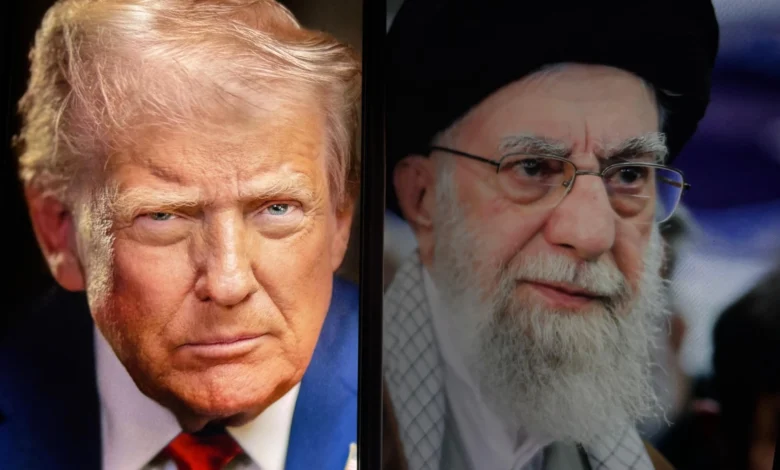
The topic of Trump Iran relations remains one of the most analyzed and debated subjects in modern geopolitics. During Donald Trump’s presidency, relations between the United States and Iran reached a new level of tension, shaped by strategic decisions, military incidents, and shifting diplomatic priorities. The historical backdrop of hostility between both nations did not begin with Trump, but his administration significantly intensified the confrontation through policy shifts and aggressive economic measures.
Before Trump took office, Iran and the United States were already engaged in a fragile diplomatic balance, largely maintained by the 2015 Iran nuclear agreement (JCPOA). This agreement had placed restrictions on Iran’s nuclear program in exchange for sanctions relief. However, distrust between both sides remained deep-rooted. When Trump entered the White House, his administration questioned the effectiveness of the deal and viewed Iran’s regional influence as a growing threat.
The importance of Trump Iran policy extends beyond bilateral relations. Iran plays a critical role in Middle Eastern stability, global oil markets, and international security. As a result, every major decision made during this period had ripple effects across Europe, Asia, and the global economy. Understanding this relationship helps explain many of the geopolitical tensions that continue to influence global affairs today.
Trump Iran Policy: Key Decisions and Strategic Approach
One of the most defining aspects of Trump Iran relations was the United States’ withdrawal from the Iran nuclear deal in 2018. The Joint Comprehensive Plan of Action (JCPOA) was originally designed to prevent Iran from developing nuclear weapons while allowing peaceful nuclear activity under strict monitoring. However, the Trump administration argued that the agreement was fundamentally flawed because it failed to address Iran’s ballistic missile program and regional military influence.
Following the withdrawal, the United States reimposed strict economic sanctions on Iran. This marked the beginning of the “maximum pressure” campaign, a strategy aimed at crippling Iran’s economy and forcing it to renegotiate a more comprehensive agreement. These sanctions targeted Iran’s oil exports, banking system, and international trade relations. As a result, Iran experienced significant economic contraction, currency devaluation, and rising domestic inflation, which intensified political and social pressures within the country.
Another major turning point in Trump Iran strategy was the killing of Iranian General Qasem Soleimani in 2020. This military action dramatically escalated tensions between the two countries. Iran responded with missile strikes targeting US military bases in Iraq, bringing both nations closer to open conflict than at any time in decades. Although full-scale war was avoided, the incident reshaped regional security dynamics and increased fears of broader instability in the Middle East.
Iran’s Response to Trump Administration Policies

In response to the withdrawal from the nuclear agreement and the reimposition of sanctions, Iran adopted a multi-layered strategy aimed at countering US pressure. One of the most significant developments was Iran gradually reducing its compliance with the nuclear deal. This included increasing uranium enrichment levels and expanding its nuclear research activities. Iran argued that these actions were a direct response to the United States violating the agreement first.
At the same time, Iran strengthened its regional influence through alliances with non-state actors and allied governments across the Middle East. Countries such as Iraq, Syria, Lebanon, and Yemen became key arenas where Iran extended its strategic presence. This network of alliances, often referred to as “proxy influence,” became a central point of tension in Trump Iran relations, as the United States viewed it as destabilizing to regional security.
Economically, Iran attempted to adapt to severe sanctions by diversifying trade partnerships and increasing self-reliance. However, the impact of restricted oil exports and limited access to global financial systems placed significant strain on its economy. Public dissatisfaction also grew due to inflation and unemployment, leading to internal protests and political debate within Iran about how to respond to US pressure. Despite these challenges, Iran maintained a firm stance against renegotiating the nuclear deal under Trump’s original terms.
Global Impact of Trump Iran Tensions
The escalation in Trump Iran relations had wide-ranging consequences that extended far beyond the two countries involved. One of the most immediate impacts was seen in global oil markets. Iran is located near the Strait of Hormuz, one of the world’s most important oil shipping routes. Any threat of conflict in this region typically leads to fluctuations in global oil prices, and during periods of heightened tension, markets experienced noticeable instability.
International diplomacy was also deeply affected. European allies, including France, Germany, and the United Kingdom, attempted to preserve the nuclear deal despite the US withdrawal. However, their efforts were undermined by the reimposition of US sanctions, which discouraged international companies from continuing trade with Iran. This created a diplomatic divide between the United States and its traditional allies, particularly within the European Union.
The Middle East itself experienced increased instability as tensions between Iran and US-aligned Gulf states intensified. Countries such as Saudi Arabia and the United Arab Emirates became more concerned about regional security, leading to increased military preparedness and shifting alliances. The overall environment became more unpredictable, with the risk of escalation influencing both political decision-making and economic planning across the region.
Future Scenarios for Trump Iran Relations
Looking ahead, the future of Trump Iran relations depends on multiple geopolitical factors, including changes in US leadership, Iran’s internal political direction, and broader international diplomatic efforts. One possible scenario is the revival of nuclear negotiations, where both sides return to some form of agreement similar to the JCPOA, possibly with additional restrictions and updated conditions.
Another scenario involves continued sanctions and containment policies. In this case, the United States would maintain economic pressure on Iran while avoiding direct military confrontation. Iran, in turn, would likely continue expanding its regional influence and nuclear capabilities within certain limits, resulting in a prolonged state of tension without full-scale war.
A third and more dangerous scenario involves potential military escalation. While both countries have historically avoided direct conflict, miscalculations or regional incidents could trigger broader confrontation. Because of the strategic importance of the Middle East, such a scenario would likely have global consequences, affecting energy markets, international trade, and global security alliances.
Conclusion
The story of Trump Iran relations reflects a complex intersection of diplomacy, military strategy, and global economics. Decisions made during this period reshaped long-standing agreements, intensified regional rivalries, and created lasting uncertainty in international relations. While full-scale war was avoided, the tensions introduced during this era continue to influence global politics today.
Understanding this relationship is essential for analyzing current and future developments in the Middle East. Whether through renewed diplomacy or continued confrontation, the legacy of this period remains a defining factor in US-Iran relations and global geopolitical stability.
FAQs
What is Trump Iran relations about?
It refers to the diplomatic, economic, and military tensions between the United States and Iran during Donald Trump’s presidency.
Why did the US leave the Iran nuclear deal?
The Trump administration believed the deal did not adequately limit Iran’s nuclear program or regional influence.
What was the “maximum pressure” campaign?
It was a policy of heavy economic sanctions aimed at forcing Iran into a new and broader nuclear agreement.
Did Trump’s Iran policy lead to war?
No, but it significantly increased military tensions and brought both countries closer to conflict.
How did Iran respond to US sanctions?
Iran expanded its nuclear program, strengthened regional alliances, and resisted US economic pressure.
What is the future of Trump Iran relations?
The future depends on diplomatic negotiations, political changes in both countries, and regional stability factors.
You May Also Read: Sand