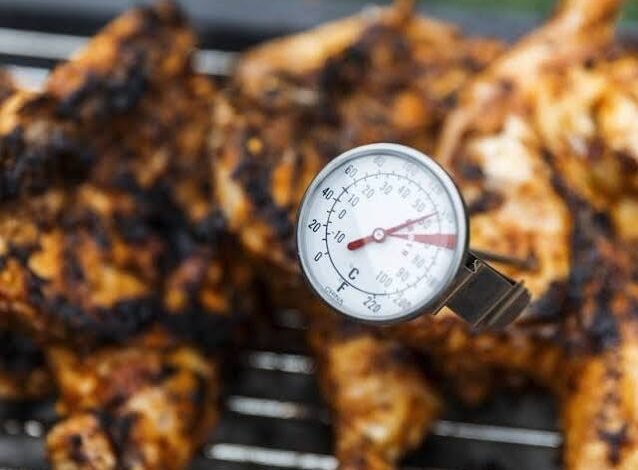
Cooking meat perfectly requires more than simply following a recipe or judging food by its appearance. Different cuts of meat cook at different speeds, and the outside colour does not always reveal whether the inside has reached a safe temperature. Learning how to use a meat thermometer allows home cooks to measure the internal temperature accurately, helping create meals that are both delicious and safe for everyone at the table.
A meat thermometer has become an essential kitchen tool for many UK households because it removes the uncertainty from cooking. Whether you are preparing a Sunday roast, grilling steaks, making burgers or roasting a whole chicken, checking the temperature ensures better results. This complete guide explains the correct techniques, useful tips and important safety advice to help you cook meat with confidence.
Understanding Meat Thermometers
A meat thermometer is a specialised kitchen device designed to measure the internal temperature of food while it cooks. It uses a sensor placed inside the meat to provide an accurate reading, showing whether the food has reached the correct level of doneness. Unlike relying on cooking times alone, a thermometer considers the thickness, size and condition of the meat.
Modern meat thermometers are available in different designs to suit various cooking styles. Digital instant-read models are popular because they provide quick results, while probe thermometers are useful for monitoring large cuts during longer cooking periods. Understanding the differences between these tools is an important part of learning how to use a meat thermometer effectively in everyday cooking.
Using a thermometer also improves consistency when preparing meals. A steak cooked to the same temperature will have a more predictable texture, while a roast can be served perfectly without becoming dry. By measuring internal temperatures instead of guessing, cooks can develop better control over their food and achieve professional-quality results at home.
Different Types of Meat Thermometers
There are several types of meat thermometers available, each designed for specific cooking situations. Digital instant-read thermometers are among the most common choices because they provide fast and accurate measurements within seconds. They are ideal for checking steaks, chicken pieces, burgers and smaller cuts of meat when you need a quick temperature reading.
Probe thermometers are another popular option, especially for roasting and slow cooking. These thermometers can remain inside the meat while it cooks, allowing you to monitor temperature without opening the oven repeatedly. Wireless versions are particularly useful for BBQ cooking because they allow you to check progress from a distance while maintaining consistent heat.
Traditional dial thermometers are still used by some cooks because they are simple and durable. However, they usually take longer to provide readings compared with digital models. Choosing the right thermometer depends on your cooking habits, but having an accurate device is the most important factor when learning how to use a meat thermometer successfully.
How to Use a Meat Thermometer Correctly
Knowing how to use a meat thermometer correctly starts with preparation. Before checking your food, make sure the thermometer is clean and functioning properly. Digital thermometers should have working batteries, while all thermometer types should be checked regularly for accuracy. A simple test using ice water can help confirm that your device is providing reliable readings.
When inserting the thermometer, place the probe into the thickest part of the meat because this area usually takes the longest to cook. The sensor should reach the centre of the food rather than staying near the surface. Avoid touching bones, fat or gristle because these areas can produce inaccurate readings and give a false impression of the meat’s temperature.
Allow the thermometer display to stabilise before removing it from the food. Some digital models provide results within seconds, while others may require slightly longer. After checking the temperature, clean the probe thoroughly to prevent bacteria from spreading. Following these steps makes the process simple and ensures safer cooking results.
Where to Place a Meat Thermometer for Different Foods
Correct placement is one of the most important parts of using a meat thermometer. For chicken and other poultry, the probe should be inserted into the thickest section of the breast or thigh without touching the bone. Whole chickens and turkeys should be checked in multiple areas because different parts of the bird can cook at different rates.
When cooking beef, the thermometer should be inserted into the centre of the thickest part of the steak or roast. For burgers and minced meat, the probe should reach the middle of the patty because bacteria can be distributed throughout the meat during preparation. Proper placement helps ensure accurate results and prevents undercooked areas.
Thin cuts of meat require extra care because it can be difficult to reach the centre without touching the cooking surface. In these cases, inserting the thermometer from the side often provides a better reading. Understanding where to position the probe is a key step in mastering how to use a meat thermometer for different recipes.
Safe Internal Meat Temperatures in the UK
Understanding safe internal temperatures is an essential part of learning how to use a meat thermometer because different types of meat require different cooking levels. Temperature checks provide a reliable way to know when food is ready, rather than relying only on colour or cooking time. This is especially important for poultry, minced meat and larger cuts where the centre may take longer to heat properly.
For UK home cooking, using recommended temperature guidelines helps reduce the risk of foodborne illnesses while keeping meals enjoyable. Chicken, turkey and other poultry need thorough cooking, while beef, lamb and steak temperatures can vary depending on whether you prefer rare, medium or well-done results. A good thermometer allows you to balance food safety with the texture and flavour you want to achieve.
Carry-over cooking is another important factor to consider when checking meat temperatures. Larger cuts such as roasts can continue increasing in temperature after being removed from the oven or grill. Allowing meat to rest after cooking helps distribute heat evenly and can improve tenderness. Using accurate temperature readings ensures your meals are prepared safely and consistently every time.
Common Mistakes When Using a Meat Thermometer
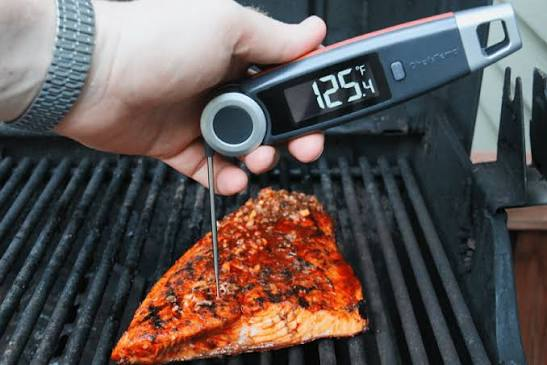
Many people make simple mistakes when using a thermometer, which can lead to incorrect readings. One common error is placing the probe too close to the surface of the meat instead of reaching the centre. The outside of the food usually becomes hotter faster, meaning the reading may not represent the true internal temperature. Correct placement is essential for accurate results.
Another mistake is allowing the thermometer tip to touch bones, fat or cooking trays. These areas can affect the temperature reading and create misleading results. It is also important not to remove the thermometer too quickly before the display has stabilised. Taking a few extra seconds to check the temperature properly can prevent undercooked or overcooked meals.
Poor cleaning habits can also create problems in the kitchen. A thermometer used on raw meat should always be washed thoroughly before touching cooked food. Learning how to use a meat thermometer includes understanding hygiene practices, not just measuring temperature. Keeping the device clean protects your family and helps maintain a safe cooking environment.
How to Use a Meat Thermometer for Different Cooking Methods
A meat thermometer is a useful tool for many cooking methods, including ovens, BBQs, grills and air fryers. When roasting meat in an oven, a probe thermometer can help monitor the cooking process without repeatedly opening the oven door. This keeps the temperature stable and allows you to track progress until the meat reaches the desired level.
BBQ cooking often requires extra attention because outdoor temperatures, weather conditions and heat levels can change quickly. A thermometer helps ensure that larger cuts of meat, such as brisket or whole chickens, cook evenly throughout. Wireless thermometers are especially helpful for BBQ enthusiasts because they allow monitoring without standing beside the grill continuously.
Air fryers have become increasingly popular in UK kitchens, and a meat thermometer can improve results when preparing chicken, sausages or other proteins. Cooking times can vary depending on food thickness and quantity, so checking internal temperature provides a more accurate guide. Understanding how to use a meat thermometer across different cooking methods gives you more confidence in the kitchen.
Maintaining and Storing Your Meat Thermometer
Proper care and maintenance help your meat thermometer remain accurate and reliable for a long time. After every use, clean the probe carefully with warm water and washing-up liquid to remove food residue and bacteria. If the thermometer has electronic parts, avoid exposing them to water unless the manufacturer confirms they are waterproof.
Regular accuracy checks are also recommended because thermometers can lose precision over time. Testing the device in ice water or boiling water can help identify whether it is still providing correct readings. If the temperature displayed is significantly different from the expected result, recalibration or replacement may be necessary.
Safe storage is another important part of maintaining your thermometer. Keep it in a dry drawer or protective case to prevent damage to the probe or display. Replace batteries in digital models when required and avoid dropping the device. A well-maintained thermometer will continue helping you prepare safe and perfectly cooked meals for years.
Conclusion
Learning how to use a meat thermometer is one of the easiest ways to improve cooking accuracy and food safety. Instead of depending on appearance, cooking time or guesswork, a thermometer provides clear information about the internal temperature of your food. This simple kitchen tool helps prevent undercooking while also reducing the risk of drying out meat through excessive cooking.
From family dinners to weekend BBQs, a reliable thermometer can make a noticeable difference in your cooking results. Choosing the right device, inserting it correctly and understanding temperature guidelines will help you prepare better meals with confidence. Once you understand the basics, using a meat thermometer becomes a natural part of your cooking routine.
Whether you are a beginner or an experienced home cook, temperature checking is a valuable skill that improves consistency. By following the correct methods and avoiding common mistakes, you can enjoy safer, juicier and more flavourful meat dishes. A quality thermometer is a small investment that can transform the way you prepare food.
Frequently Asked Questions
How do you use a meat thermometer correctly?
To use a meat thermometer correctly, insert the probe into the thickest part of the meat without touching bones, fat or gristle. Wait until the temperature reading becomes stable before removing the thermometer and checking whether the food has reached a safe cooking temperature.
Do you leave a meat thermometer in while cooking?
Some thermometers, such as oven-safe probe models, can remain inside meat during cooking. Instant-read thermometers should usually be inserted only when checking the temperature near the end of the cooking process.
Where should you place a meat thermometer in chicken?
The thermometer should be placed in the thickest part of the chicken breast or thigh. Avoid touching the bone because it can affect the accuracy of the temperature reading.
What is the best type of meat thermometer?
The best thermometer depends on your cooking needs. Digital instant-read thermometers are excellent for quick checks, while probe or wireless models are useful for roasting and BBQ cooking.
How do you check if a meat thermometer is accurate?
You can test accuracy by placing the thermometer in ice water or boiling water and comparing the reading with the expected temperature. Regular checks help maintain reliable results.
Can you use a meat thermometer for BBQ cooking?
Yes, a meat thermometer is very useful for BBQ cooking because it helps monitor the internal temperature of meat and ensures food is cooked safely.
How often should you clean a meat thermometer?
A meat thermometer should be cleaned after every use, especially after checking raw meat. Proper cleaning prevents bacteria transfer and keeps your kitchen safer.
You May Also Read: How to Get Rid of Fruit Flies