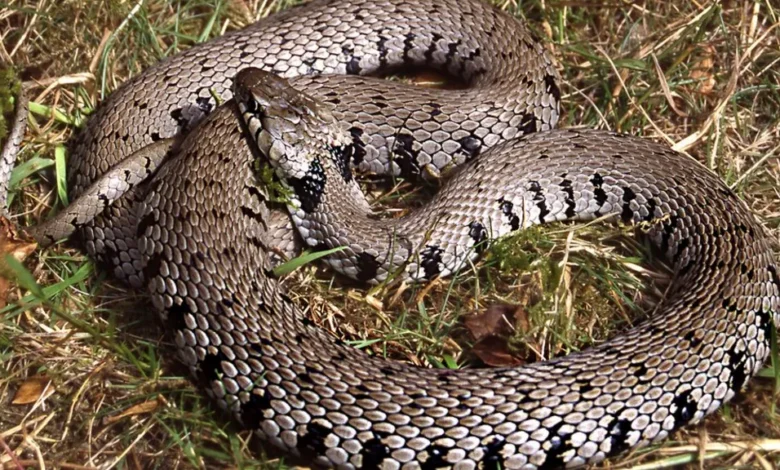
The grass snake is one of the most widely recognized non-venomous snakes across Europe and parts of Western Asia, often admired for its calm behavior and important ecological role. Scientifically known as Natrix natrix, this reptile is frequently associated with wetlands, grassy fields, and garden ponds, where it thrives in environments close to water. Despite its snake classification, the grass snake is harmless to humans and plays a beneficial role in maintaining ecological balance. Many people mistakenly fear it due to its snake-like appearance, but it is neither aggressive nor dangerous, making it an important species for wildlife education and awareness.
Grass snake are often misunderstood because of their resemblance to venomous species such as the adder. However, their distinctive yellow collar markings and smooth, olive-green body help differentiate them. These markings have also contributed to their nickname “ringed snake” in some regions. Their presence in ecosystems indicates healthy wetlands, as they depend heavily on amphibians like frogs and toads for food. This makes them a key indicator species for environmental conditions.
Understanding the grass snake is essential for conservation and coexistence with wildlife. As human development expands into natural habitats, encounters between people and grass’snakes are becoming more common. Learning about their behavior helps reduce unnecessary fear and encourages protection of natural ecosystems where these reptiles naturally belong.
Physical Characteristics and Identification
Grass snakes are medium to large-sized reptiles that typically grow between 70 cm and 150 cm in length, although some individuals may exceed this range. Their bodies are slender and flexible, allowing them to move smoothly through grasslands, water bodies, and dense vegetation. The coloration of a grass snake is one of its most distinguishing features, usually ranging from olive green to dark brown, with subtle patterning along the body that helps it blend into its surroundings. One of the most recognizable traits is the yellow or white collar marking just behind the head, which serves as a key identification feature.
Unlike venomous snakes, grass snakes have round pupils and lack heat-sensing pits, making them easier to distinguish upon closer observation. Their scales are smooth and slightly glossy, helping them glide efficiently through water. Sexual dimorphism is not strongly pronounced, but females are generally larger than males, which is common among many snake species. Juvenile grass snakes often appear darker and more vividly patterned than adults, which helps them camouflage more effectively during their early life stages.
Correct identification is crucial, especially in regions where grass snakes coexist with venomous species like the adder. Misidentification often leads to unnecessary killing of harmless snakes. Understanding these physical traits helps wildlife enthusiasts, farmers, and gardeners recognize grass snakes accurately and appreciate their ecological importance rather than fear them.
Habitat and Geographic Distribution
Grass snakes are strongly associated with moist environments, particularly areas close to freshwater sources such as ponds, lakes, rivers, marshes, and wetlands. These habitats provide both food and shelter, as amphibians are their primary prey. However, grass snakes are also highly adaptable and can be found in grasslands, forest edges, farmland, and even suburban gardens where suitable water sources are available. Their ability to thrive in diverse environments has contributed to their wide distribution across Europe and parts of Western Asia.
Geographically, grass snakes are commonly found in countries such as the United Kingdom, France, Germany, Italy, and extending into parts of Russia and Central Asia. They prefer temperate climates but can adjust to varying environmental conditions as long as food and water are available. Seasonal movement is also an important aspect of their behavior. During warmer months, they are highly active and often seen near water, while in colder months they retreat to hibernation sites such as underground burrows or compost heaps.
Human expansion has both positive and negative effects on grass snake habitats. While agricultural irrigation and garden ponds can create new suitable environments, urban development and habitat destruction pose significant threats. Despite this, grass snakes continue to demonstrate remarkable adaptability, often surviving in close proximity to human settlements when given adequate ecological conditions.
Diet and Feeding Behavior
The grass snake is a carnivorous reptile with a diet primarily consisting of amphibians, especially frogs and toads. These prey species are abundant in wetland habitats, making them an ideal food source. Grass snakes are also known to consume small fish and occasionally tadpoles, particularly when amphibian populations are low. Their feeding habits are closely tied to their aquatic environments, as they are strong swimmers and often hunt in or near water bodies.
Grass snakes rely on stealth and quick reflexes rather than venom to capture prey. They use their sharp teeth to grasp slippery amphibians before swallowing them whole. Unlike mammals, snakes do not chew their food; instead, they rely on flexible jaw structures that allow them to consume prey much larger than their head. This feeding strategy is highly efficient and enables them to take advantage of seasonal food availability.
Feeding behavior also varies with seasonal changes. During spring and summer, when amphibians are active, grass snakes feed frequently to build energy reserves. In colder months, their feeding activity decreases significantly as they prepare for hibernation. This cyclical feeding pattern ensures their survival in temperate climates and highlights their close dependence on environmental conditions.
Behavior, Ecology, and Conservation

Grass snakes are primarily diurnal, meaning they are active during the day, especially in warm weather. They are excellent swimmers and often enter water bodies to hunt or escape predators. When threatened, they rarely show aggression; instead, they rely on camouflage, fleeing, or releasing a foul-smelling secretion from their anal glands as a defense mechanism. In extreme cases, they may even play dead to avoid danger, a behavior known as thanatosis.
Ecologically, grass snakes play a crucial role in controlling amphibian populations, helping maintain balance within aquatic ecosystems. They are also prey for birds of prey, foxes, and larger mammals, making them an important part of the food chain. Their presence in an ecosystem is often a sign of environmental health, particularly in wetland areas where biodiversity is high.
Conservation efforts for grass snakes focus primarily on habitat protection and reducing human-related threats such as road mortality, pollution, and pesticide use. Although they are not currently considered endangered in many regions, local populations can decline rapidly due to habitat destruction. Public awareness campaigns and wildlife protection laws play an important role in ensuring their continued survival.
Conclusion
The grass snake is a remarkable and ecologically valuable reptile that contributes significantly to maintaining balance in natural ecosystems. Despite being harmless to humans, it is often misunderstood and wrongly feared. Its role in controlling amphibian populations, supporting biodiversity, and indicating healthy wetland environments makes it an essential species in the natural world.
By understanding its behavior, habitat, and ecological importance, humans can develop a more respectful and informed relationship with this species. Protecting grass snakes ultimately supports broader environmental conservation efforts and ensures that future generations can continue to observe and learn from these fascinating reptiles.
FAQs
What is a grass snake?
A grass snake is a non-venomous reptile commonly found in Europe and parts of Asia, known for its olive-green body and yellow collar markings.
Are grass snakes dangerous?
No, grass snakes are completely harmless to humans and do not possess venom.
What do grass snakes eat?
They primarily feed on frogs, toads, small fish, and amphibians.
Where can grass snakes be found?
They are usually found in wetlands, grasslands, forests, and gardens near water sources.
How can you identify a grass snake?
Look for a slender greenish body and a distinctive yellow or white collar behind the head.
Do grass snakes bite humans?
They rarely bite, and if they do, it is not harmful or venomous.
You May Also Read: Trump Iran