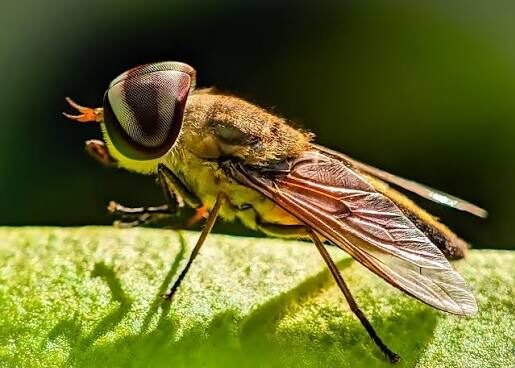
Horse flies are well-known biting insects found in many rural and countryside areas, especially during warm weather. They belong to the Tabanidae family and are recognised for their strong flight, large eyes, and painful bites. Although they are often considered a nuisance, they also play a role in natural ecosystems by serving as food for birds and other wildlife.
Many people encounter horse flies while walking, hiking, fishing, or working around livestock. Learning how to recognise these insects, understand their behaviour, and respond appropriately to bites can make outdoor activities safer and more comfortable. This guide offers practical information in clear, reader-friendly language.
Identification
Horse flies are generally larger than common houseflies and have broad bodies, clear or patterned wings, and distinctive eyes that may appear colourful. Females are responsible for biting because they require a blood meal to produce eggs, whereas males feed mainly on nectar and plant juices.
They are most active on warm, sunny days and are attracted to movement, body heat, and dark colours. They are commonly found near lakes, marshes, woodland edges, and fields where animals are present, making these areas more likely places for human encounters.
Bites and Symptoms
A horse fly bite is often immediately painful because the insect cuts the skin before feeding. Typical symptoms include redness, swelling, itching, soreness, and a raised area around the bite. Most reactions improve within a few days without lasting problems.
In some cases, people may experience a stronger local reaction or signs of infection if the bite is scratched excessively. Anyone who develops severe swelling, difficulty breathing, or symptoms of a serious allergic reaction should seek prompt medical attention.
Treatment and Prevention

Wash the affected area gently with soap and water as soon as possible. Applying a cool compress may reduce swelling and discomfort, while avoiding scratching helps lower the chance of infection. Over-the-counter products may help relieve itching when appropriate.
Preventing bites is often easier than treating them. Wearing long sleeves, using suitable insect repellent, avoiding peak activity areas, and choosing light-coloured clothing can all reduce the likelihood of attracting horse flies during outdoor activities.
Conclusion
Horse flies are a familiar part of the outdoor environment, particularly during warmer months. Although their bites can be unpleasant, most are minor and respond well to simple first-aid measures and sensible precautions.
Understanding identification, behaviour, bite symptoms, treatment, and prevention allows people to enjoy time outdoors with greater confidence. Respecting wildlife while taking practical protective steps helps reduce unwanted encounters with these insects.
FAQs
What is a horse fly?
A horse fly is a large biting insect from the Tabanidae family.
Why do horse flies bite?
Only female horse flies bite because they need blood to produce eggs.
Are horse fly bites dangerous?
Most bites are harmless, but they can be painful and may occasionally cause allergic reactions or infection.
What does a horse fly bite look like?
A bite usually appears as a red, swollen, and painful lump that may itch.
How do you treat a horse fly bite?
Wash the area with soap and water, apply a cold compress, and avoid scratching.
How long do horse fly bites last?
Most bites improve within a few days, although swelling may last longer in some people.
How can I prevent horse fly bites?
Wear long sleeves, use insect repellent, and avoid areas where horse flies are common during warm weather.
Where are horse flies commonly found?
They are often found near farms, rivers, lakes, marshes, woodlands, and open countryside.
Do male horse flies bite?
No. Only female horse flies bite, while males feed on nectar and plant juices.
Can horse flies spread diseases?
Horse flies can carry germs between animals in some situations, but disease transmission to humans is considered uncommon.
You May Also Read: Top Health Colleges