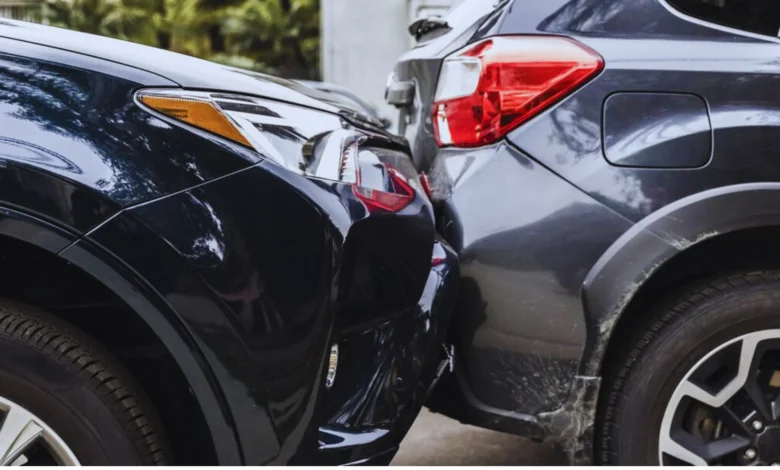
When browsing the used car market, many buyers come across terms like Cat N, Cat S, or Cat B and feel unsure about what they actually mean. Among these, Cat N is one of the most commonly misunderstood classifications in the UK insurance system. It often appears in vehicle listings and can significantly influence pricing, insurance, and buyer decisions. Understanding what it represents is essential before considering any purchase.
The term Cat N refers to a vehicle insurance write-off category used in the United Kingdom. It indicates that a car has been involved in an accident or damage incident, but the damage is not structural. In simple terms, the vehicle has suffered issues that affect its usability or appearance, but its main structural frame remains intact. This distinction makes Cat N cars different from more severe categories.
In this guide, we will break down everything you need to know about Cat N vehicles, including how they are classified, how they compare to other categories, their safety, repair process, insurance implications, and whether they are worth buying. This will help you make a confident and informed decision if you ever encounter a Cat N car in the market.
What is Cat N?
Cat N (Category N) is a classification used by insurance companies in the UK to describe vehicles that have been written off due to non-structural damage. This means the car has not suffered damage to its chassis or main structural frame, which is the most critical part of vehicle safety.
Instead, Cat N vehicles typically have issues related to electrical systems, body panels, cosmetic damage, or mechanical faults that are expensive to repair compared to the vehicle’s market value. Even if the car is still drivable, the cost of fixing it to pre-accident condition often exceeds what the insurer considers economically viable.
Insurance companies decide a vehicle’s Cat N status after a detailed assessment. They compare repair costs with the car’s pre-accident value. If repairs are too expensive but the vehicle is still fundamentally safe, it is marked as Cat N and written off financially. The owner may choose to buy it back, repair it, or sell it as-is.
Cat N vs Other Insurance Categories
To fully understand Cat N, it is important to compare it with other insurance write-off categories used in the UK vehicle system.
Cat N vs Cat S
The most common comparison is between Cat N and Cat S. While Cat N refers to non-structural damage, Cat S involves structural damage. This means a Cat S vehicle has damage to the chassis or frame, which affects the car’s core safety structure.
Cat S cars require more extensive and carefully monitored repairs. In contrast, Cat N cars are generally easier and cheaper to repair because the damage is not related to the main frame. However, both categories remain on the vehicle’s history permanently.
Cat N vs Cat B and Cat A
More severe categories include Cat B and Cat A. Cat A vehicles are completely destroyed and cannot be used for parts or repair. Cat B vehicles are severely damaged, but some parts may be salvaged for reuse.
Compared to these, Cat N is the least severe category in terms of physical damage, but it still carries financial and resale implications.
Is a Cat N Car Safe to Drive?
Safety is one of the biggest concerns when it comes to Cat N vehicles. Since Cat N cars do not have structural damage, they are generally considered safe once properly repaired. However, safety depends heavily on the quality of repairs carried out after the incident.
If a Cat N vehicle has been repaired by qualified mechanics using proper parts and methods, it can return to roadworthy condition. It must also pass an MOT test before being legally driven on public roads. The MOT ensures that basic safety and environmental standards are met.
However, risks still exist. Poor-quality repairs, hidden damage, or incomplete fixes can lead to long-term issues. This is why independent inspections are highly recommended before purchasing a Cat N car.
Pros and Cons of Buying a Cat N Car
Like any used vehicle category, Cat N cars come with both advantages and disadvantages.
Advantages
One of the main benefits of buying a Cat N car is affordability. These vehicles are usually priced significantly lower than their non-damaged equivalents. This makes them attractive to budget-conscious buyers looking for a cheaper way to own a car.
Another advantage is value potential. If repairs are done correctly, a Cat N car can still offer reliable performance and usability. For experienced buyers, this can represent good value for money.
Disadvantages
Despite lower prices, Cat N vehicles come with drawbacks. One of the biggest issues is reduced resale value. Even after repair, the Cat N classification remains permanently recorded in the vehicle’s history.
Insurance can also be more expensive or harder to obtain. Some providers may charge higher premiums due to perceived risk. Additionally, there is always a possibility of hidden damage or poor repair quality, especially if the vehicle was fixed cheaply.
Repairing a Cat N Vehicle
Repairing a Cat N car involves addressing non-structural damage such as replacing body panels, fixing electrical issues, or restoring mechanical components. The process may seem straightforward, but quality is extremely important.
Professional repairs should always be carried out by certified mechanics. Using genuine or high-quality replacement parts ensures the vehicle remains safe and reliable. Once repairs are completed, documentation should be kept as proof of work done.
The cost of repairs varies depending on the extent of damage. In some cases, repair costs may still be lower than purchasing a similar non-damaged vehicle, which is why Cat N cars attract buyers in the first place.
Insurance and Legal Considerations
Insurance plays a major role in Cat N ownership. While these cars can be insured, premiums may be higher due to their accident history. Some insurers specialize in providing coverage for write-off vehicles, so comparison is important.
Legally, sellers must disclose a vehicle’s Cat N status. Failure to do so can lead to legal consequences. Buyers should always verify vehicle history through official reports such as HPI checks before making a purchase.
It is also important to remember that Cat N status never disappears. Even after repair, the classification remains part of the car’s permanent record.
Should You Buy a Cat N Car?
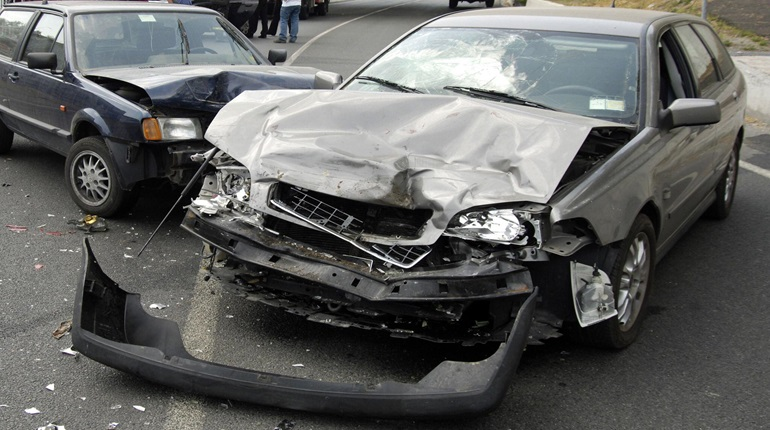
Whether or not to buy a Cat N car depends on the buyer’s experience, budget, and risk tolerance. These vehicles can be a good option for people who understand cars, know how to inspect repairs, or have access to trusted mechanics.
However, first-time buyers or those looking for long-term reliability without concerns may want to avoid Cat N vehicles. The risks associated with hidden damage and resale value should always be carefully considered.
A proper checklist before buying includes checking repair history, obtaining an inspection report, comparing insurance quotes, and reviewing the vehicle’s past records.
Common Myths About Cat N Cars
There are many myths surrounding Cat N vehicles. One common misconception is that Cat N cars are unsafe. In reality, they can be safe if properly repaired and inspected.
Another myth is that Cat N cars cannot be insured. This is false, as many insurance providers offer coverage for them, although at different rates.
Some people also believe all Cat N cars are heavily damaged, but this is not true. Many are written off due to minor damage that is not cost-effective to repair.
Tips for Buying a Cat N Car Safely
If you are considering purchasing a Cat N vehicle, careful evaluation is essential. Always get a professional inspection before finalizing the deal. This helps identify any hidden issues that may not be visible at first glance.
Checking full vehicle history is also crucial. Reports can reveal the extent of damage and repair details. Additionally, comparing insurance quotes beforehand helps avoid unexpected costs later.
Buying from trusted sellers or established dealers is always safer than private sales with no documentation.
Conclusion
Understanding Cat N is essential for anyone considering a used car purchase in the UK. While Cat N vehicles are not structurally damaged, they still carry a history of insurance write-off that affects value, insurance, and long-term ownership.
These cars can offer excellent value if properly repaired and carefully inspected, but they are not suitable for every buyer. The key is knowledge, due diligence, and awareness of potential risks.
By understanding what Cat N means and how it affects a vehicle, buyers can make smarter decisions and avoid costly mistakes in the used car market.
FAQs
What does Cat N mean?
It means a vehicle has non-structural damage and has been written off by insurance.
Is a Cat N car safe?
Yes, if properly repaired and inspected.
What is the difference between Cat N and Cat S?
Cat N is non-structural; Cat S involves structural damage.
Can you insure a Cat N car?
Yes, but premiums may be higher.
Does Cat N affect resale value?
Yes, it reduces resale value permanently.
Should I buy a Cat N car?
Only if you understand the risks and inspection process.
How are Cat N cars repaired?
They are repaired for non-structural issues like panels and electronics.
Can Cat N cars pass MOT?
Yes, if they meet safety standards after repair.
Is Cat N worse than Cat S?
No, Cat S is more severe due to structural damage.
Does Cat N stay on the car record?
Yes, it is permanent.
You May Also Read: Ricky Hatton Wife