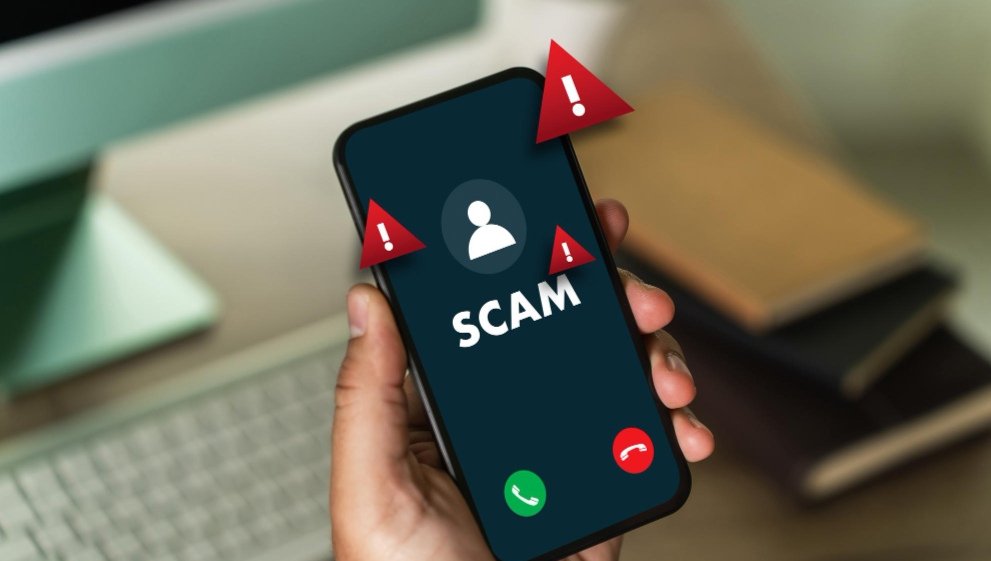
Immigration scam calls are fraudulent phone calls where criminals pretend to represent government immigration agencies, visa offices, law enforcement departments, or legal professionals to deceive people. These scammers usually target immigrants, visa applicants, international students, and families because they understand that immigration matters can involve stress, deadlines, and uncertainty. By creating fear about legal status, deportation, fines, or application problems, scammers try to force victims into making quick decisions without proper verification.
The goal of most immigration scam calls is to steal money, personal information, or identity details. A scammer may ask for passport numbers, bank information, Social Security numbers, immigration documents, or immediate payments. Some fraudsters use professional language and fake caller IDs to appear trustworthy. However, legitimate immigration authorities generally follow official procedures and do not use threats, pressure, or unusual payment methods to solve immigration issues. Knowing how these scams work is the first step toward protecting yourself.
Received an Immigration Scam Call? Take These Steps Immediately
If you receive a suspicious immigration scam call, the most important thing is to stay calm and avoid reacting emotionally. Scammers depend on fear and urgency because worried people are more likely to share information or make payments without checking the facts. Do not confirm your personal details, do not provide financial information, and do not follow instructions simply because the caller claims to represent an official agency.
The safest approach is to end the call and verify the information independently. Write down the caller’s phone number, name they used, organization they claimed to represent, and any demands they made. If you have an immigration application or legal process, contact the official immigration authority using the contact details from its official website. Never use a phone number, email address, or link provided by the suspicious caller because scammers often create fake contact information.
How To Recognize the Warning Signs of Immigration Scam Calls
One of the strongest indicators of an immigration scam call is extreme urgency. Fraudsters often claim that you have only a short amount of time to pay a fee, confirm information, or fix an immigration problem. They may threaten arrest, deportation, visa cancellation, or legal action if you do not immediately cooperate. Real government communication usually provides formal instructions and does not rely on fear-based pressure to force immediate decisions.
Another common warning sign is a request for unusual payments or sensitive information. Scammers may demand payment through gift cards, cryptocurrency, wire transfers, or other difficult-to-recover methods. They may also ask for passwords, banking details, or identity information during a phone call. Legitimate agencies do not normally request confidential information through unexpected calls, especially when the caller is threatening consequences.
Caller ID spoofing is another technique used by scammers. A fraudulent caller can make a phone number appear as if it belongs to an official department. This means seeing an official-looking number on your screen does not guarantee that the call is genuine. Always verify important immigration-related communication by contacting the organization directly through trusted sources.
Common Immigration Scam Call Tactics and Fake Stories
Immigration scammers use different stories depending on their target. One common tactic involves pretending to be an immigration officer and claiming that the person has a problem with their visa, residency, or application. The scammer may say that a payment is required immediately to prevent negative consequences. These claims are designed to create panic and stop victims from taking time to verify the information.
Some scammers pretend to be lawyers, government investigators, or law enforcement officers. They may use official terms, fake case numbers, or personal details to make their story sound realistic. In some cases, they combine phone calls with fake emails, text messages, or documents containing government-style logos. A professional appearance does not prove that a message is legitimate, because scammers often copy official designs to appear convincing.
Another growing tactic involves targeting people who are unfamiliar with immigration systems. New immigrants and people who face language barriers may be more vulnerable because they may not know how official communication normally works. Educating family members and communities about common scam patterns can reduce the chances of someone becoming a victim.
Does Immigration Actually Call People?
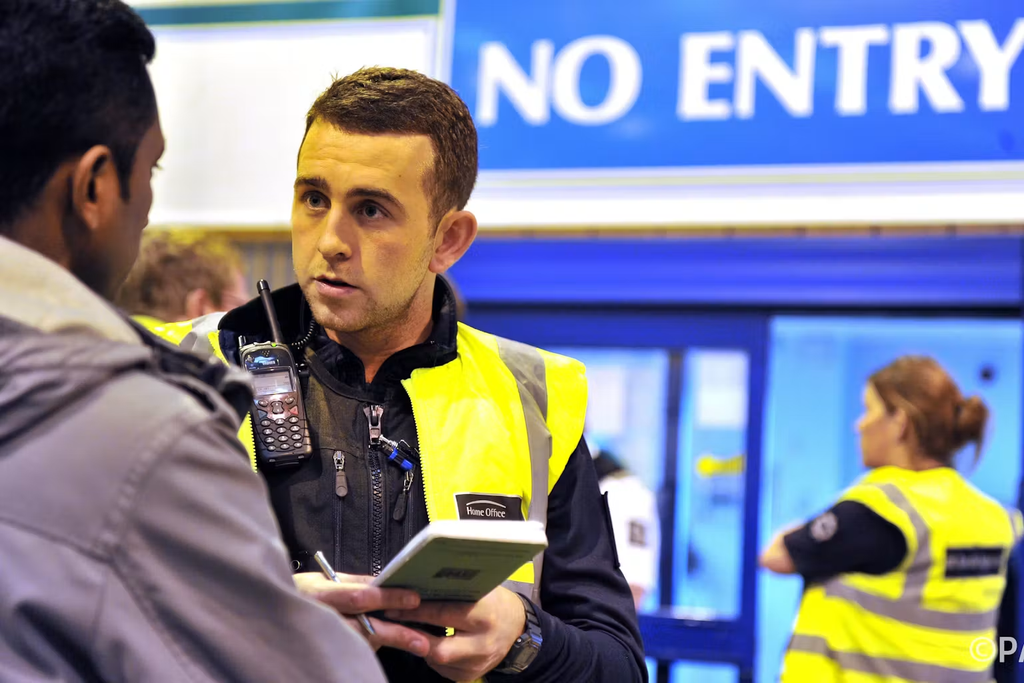
Many people search for this question after receiving an unexpected phone call from someone claiming to be an immigration officer. The answer depends on the country and situation. Some immigration agencies may contact applicants regarding appointments, applications, or official matters. However, the way the caller communicates is usually different from scam behavior. A genuine agency will not typically demand immediate payment, threaten arrest, or force someone to share sensitive information during an unexpected conversation.
The safest way to confirm whether an immigration call is real is to independently contact the official agency. Do not rely on the caller’s phone number, instructions, or links because scammers can create convincing fake information. If the caller creates fear, demands secrecy, or refuses to allow verification, it is a strong indication that the communication may be fraudulent.
What To Do If You Already Shared Information With a Scammer
If you accidentally provided personal information during an immigration scam call, take action as quickly as possible. Start by identifying what information was shared. If you provided banking details, contact your bank or financial provider immediately. If you shared passwords, change them and enable additional security protection on your accounts. Quick action can reduce the risk of financial loss or identity misuse.
If you shared immigration documents, passport details, or identity information, keep records of the incident. Save phone numbers, messages, emails, payment receipts, and screenshots connected to the scam. These details may help authorities understand the fraud attempt and may be useful if you need assistance from an official agency or legal professional.
Many victims hesitate to report scams because they fear that contacting authorities could create immigration problems. However, reporting fraud helps organizations track criminal activity and protect others. Being targeted by a scam does not mean that your immigration status is affected, and seeking help from trusted sources is the best response.
How To Report Immigration Scam Calls
Reporting immigration scam calls helps authorities identify fraud networks and warn communities about new scam methods. The correct reporting process depends on your country, but many governments provide official fraud reporting systems where people can submit details about suspicious calls, messages, and payment requests. Reports are valuable even when no money was lost because they help identify patterns.
When reporting a scam call, include as much information as possible. Record the caller’s phone number, the name or agency they claimed to represent, the date and time of the call, and what information or payment they requested. Keep copies of any related emails, text messages, or documents because these details may support investigations.
People should rely on official resources for verification and reporting. For example, residents of different countries may need to contact their own immigration authority, fraud reporting agency, or local law enforcement department. Avoid using contact details provided by the scammer because those may lead to additional fraud attempts.
Immigration Scam Calls in Different Countries
Immigration scam calls happen in many countries, although the names of agencies and scam methods may differ. In the United States, scammers often pretend to represent immigration-related departments and target people with fake claims about visas, applications, or legal status. In the United Kingdom, fraudsters may impersonate government departments or immigration services to request money or personal details.
Canada, Australia, New Zealand, and other countries also experience government impersonation scams targeting immigrants and visa applicants. While procedures vary between countries, the warning signs remain similar: unexpected demands, threats, urgent payments, and requests for confidential information. Learning how official immigration communication works in your country can make it easier to recognize fraudulent activity.
How To Protect Yourself From Future Immigration Scam Calls
Preventing immigration scam calls requires a combination of awareness, careful verification, and good digital habits. Avoid sharing personal information with unknown callers, even if they appear professional or claim to know details about you. Government agencies, banks, and legal organizations will not ask you to ignore verification steps or make rushed decisions because of a phone call.
Using phone security features can also help reduce unwanted calls. Many mobile providers and devices offer spam detection tools that identify suspicious numbers. However, technology cannot stop every scam, so personal awareness remains essential. Teach family members, especially elderly relatives and new immigrants, about common scam tactics so they can recognize warning signs.
A simple rule can prevent many problems: stop, verify, and then respond. If a caller creates fear or demands immediate action, take time to check the information through official sources. A few minutes of verification can prevent financial loss, identity theft, and unnecessary stress.
Conclusion
Immigration scam calls are a serious problem because they combine technology with psychological manipulation. Scammers understand that immigration issues are important and use fear, urgency, and false authority to influence their victims. Recognizing warning signs, refusing to share sensitive information, and verifying communication through official channels are the most effective ways to stay protected.
Anyone can become a target, but knowledge reduces the risk. Whether you are applying for a visa, supporting an immigrant family member, or managing your own immigration process, understanding how scams operate gives you more control. Reporting suspicious calls, helping others learn about fraud, and following safe communication practices can make communities stronger and less vulnerable to immigration scams.
Frequently Asked Questions
Does immigration ever call people?
Yes, immigration agencies may contact people in some situations, but they generally do not demand urgent payments, threaten deportation, or request sensitive information through unexpected calls.
How can I identify an immigration scam call?
Common signs include threats, urgent demands, unusual payment requests, caller ID spoofing, and requests for private personal or financial information.
What should I do if I receive an immigration scam call?
Do not share information or send money. End the call, record details, verify through official sources, and report the suspicious activity.
Can immigration officers ask for payment over the phone?
Unexpected callers demanding payment through gift cards, cryptocurrency, or unofficial methods are likely scammers and should be verified carefully.
What should I do if I gave information to an immigration scammer?
Secure your accounts, contact financial providers if needed, save evidence, and report the incident to appropriate authorities.
You May Also Read: Spike Lighter