Leeds weather is best described as classic British—mild, changeable, and influenced heavily by Atlantic weather systems. Located in West Yorkshire, England, Leeds experiences a temperate maritime climate, which means it does not face extreme heat or extreme cold for long periods. Instead, the weather shifts frequently, often bringing a mix of sunshine, clouds, and rain within the same day. This variability is one of the defining characteristics of life in the city and plays a major role in how residents plan their daily routines.
Because of its inland location, Leeds does not experience the same coastal winds as some western UK cities, but it still receives a fair amount of rainfall throughout the year. This consistent precipitation helps maintain the city’s green parks and surrounding countryside, giving Leeds a fresh and vibrant appearance across all seasons. While rain is common, it is usually light to moderate rather than heavy storms, making it manageable for daily activities.
Understanding Leeds weather is important for both residents and visitors. Whether commuting to work, attending university, or exploring attractions like Roundhay Park or Leeds City Centre, being aware of changing conditions helps in making better decisions. The city’s weather may not always be predictable, but it is rarely extreme, making it suitable for year-round living and travel.
Leeds Weather by Seasons: Year-Round Climate Breakdown
Spring in Leeds, from March to May, is a refreshing transition from the cold winter months. Temperatures gradually rise, and the city begins to bloom with flowers and greenery. However, Leeds weather in spring is still highly unpredictable, with sunny mornings often turning into rainy afternoons. Despite this, it is one of the most visually appealing seasons, as parks and gardens come alive with color. Outdoor activities become more enjoyable, although carrying a light jacket or umbrella is always recommended due to sudden showers.
Summer in Leeds, from June to August, brings the warmest and most pleasant weather of the year. Temperatures typically remain moderate compared to many other European cities, making it comfortable for outdoor exploration. While occasional heatwaves can push temperatures higher, these periods are usually short-lived. Leeds weather in summer also includes occasional rain showers, but they are often brief and followed by clear skies. This season is ideal for festivals, outdoor dining, and cultural events across the city.
Autumn, from September to November, introduces cooler temperatures and a noticeable increase in rainfall. Leeds weather during this time becomes windier and more overcast, creating a cozy and atmospheric environment. The changing colors of leaves across parks and streets add a scenic beauty to the city. However, residents begin preparing for colder days by switching to warmer clothing and adjusting daily routines as daylight hours shorten.
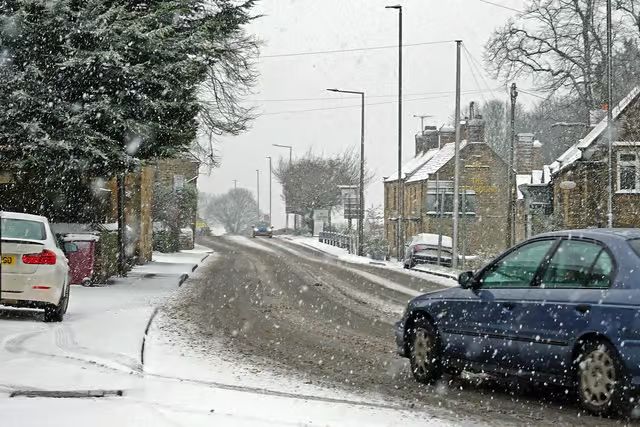
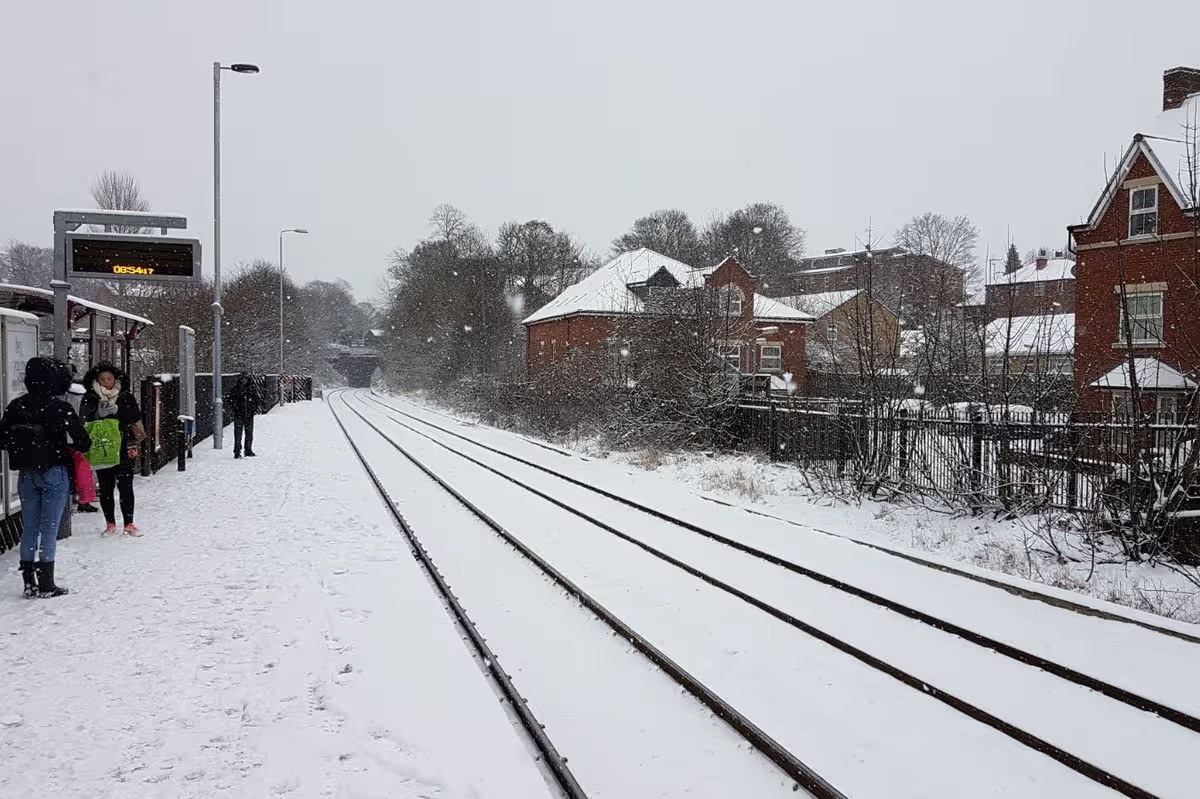
Winter in Leeds, from December to February, is cold, damp, and often grey. Temperatures can drop close to freezing, especially during nighttime. While snowfall does occur, it is usually light and does not last long. Frosty mornings and cloudy skies are common features of Leeds weather in winter. Despite the cold, the festive season brings warmth to the city through lights, markets, and celebrations.
Leeds Weather Patterns: Rainfall, Wind, and Sunshine
Rainfall is a consistent feature of Leeds weather throughout the year. The city does not have a distinct dry season, meaning rain can occur in any month. However, most rainfall tends to be light or moderate rather than heavy downpours. This steady precipitation contributes to the lush greenery found across parks, gardens, and surrounding countryside areas. The wettest periods are usually during autumn and early winter, when weather systems from the Atlantic are more active.
Sunshine in Leeds varies significantly by season. Summer months enjoy the highest number of daylight hours, providing longer and brighter days. In contrast, winter months are much shorter and often dominated by cloud cover. Despite its reputation for grey skies, Leeds does experience sunny breaks throughout the year, often unpredictably. These brief sunny periods are a welcome feature of the local climate and add variety to daily weather conditions.
Wind patterns in Leeds are generally moderate, although stronger gusts can occur during seasonal transitions. Stormy conditions are not frequent but can occasionally bring heavy rain and disruptions. Overall, Leeds weather is defined more by its consistency in variability rather than extreme weather events, making it relatively stable compared to other regions.
Leeds Weather Forecasting: Daily, Weekly, and Long-Term Predictions
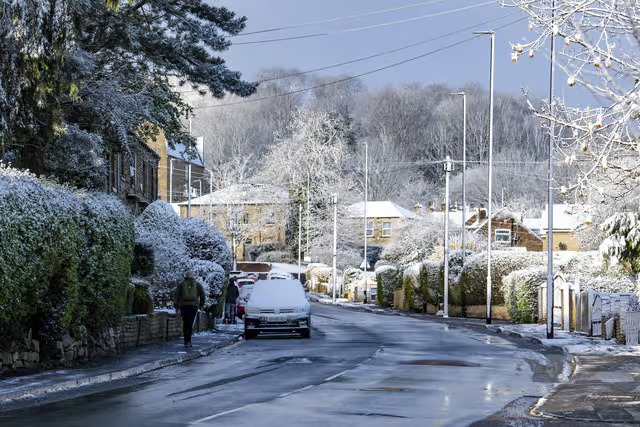
Weather forecasting plays an essential role in managing daily life in Leeds. With rapidly changing conditions, short-term forecasts such as hourly and 10-day predictions are widely used by residents. These forecasts help people plan commutes, outdoor activities, and travel schedules more effectively. Modern forecasting systems rely on satellite data, computer models, and real-time observations to provide accurate updates on temperature, rainfall, and wind conditions.
The UK Met Office is one of the most trusted sources for Leeds weather forecasts. It provides detailed weather reports, warnings, and long-range climate predictions. These alerts are particularly useful during periods of sudden weather changes, such as unexpected rain or cold snaps. Mobile apps and digital platforms also make it easy to access live updates, ensuring that residents stay informed throughout the day.
Despite advances in technology, Leeds weather can still be unpredictable. Sudden changes in cloud cover or localized rainfall can sometimes make forecasts less accurate beyond a few days. This is why short-term predictions are generally more reliable than long-range outlooks. Understanding these limitations helps people better prepare for the city’s variable climate.
Leeds Weather Temperature Trends and Extremes
Leeds experiences moderate temperature ranges throughout the year, making it relatively comfortable compared to more extreme climates. Summer temperatures are generally warm but not overly hot, while winters are cold but rarely severe for extended periods. This balance contributes to the city’s reputation as a livable and student-friendly destination.
Occasionally, Leeds weather experiences temperature extremes. Heatwaves during summer can temporarily raise temperatures, creating unusually hot conditions for the region. On the other hand, winter cold snaps can bring frost and occasional snow. However, these extreme events are typically short-lived and followed by a return to normal seasonal conditions.
Compared to other UK cities, Leeds has a fairly balanced climate. It is neither as wet as western coastal areas nor as dry as southeastern regions. This moderate climate makes it suitable for year-round living, with each season offering a distinct but manageable weather pattern.
Impact of Leeds Weather on Daily Life
Leeds weather has a significant influence on daily life, affecting everything from transportation to leisure activities. Rain and wind can impact commuting times, especially for cyclists and pedestrians. Public transport systems are generally well-prepared for weather changes, but delays can still occur during heavy rainfall or storms.
Outdoor events, sports activities, and festivals are also influenced by the weather. Summer is the peak season for outdoor gatherings, while colder months shift activities indoors. Parks, museums, shopping centers, and entertainment venues all adjust their popularity depending on seasonal weather conditions.
Clothing and lifestyle choices in Leeds are heavily influenced by its changing weather. Layered clothing is common, as temperatures can shift throughout the day. Carrying waterproof jackets or umbrellas is often necessary due to frequent rain. This adaptability is part of everyday life in Leeds and reflects the city’s flexible response to its climate.
Conclusion
Leeds weather is a mix of mild temperatures, frequent rainfall, and seasonal variation that shapes life in this vibrant UK city. While it may be unpredictable at times, it rarely reaches extreme conditions, making it manageable and consistent throughout the year. Each season brings its own character, from the fresh blooms of spring to the cozy atmosphere of winter.
Understanding Leeds weather helps residents and visitors plan more effectively, whether for travel, work, or leisure. Its balanced climate, combined with modern forecasting tools, ensures that people can adapt easily to daily changes. Ultimately, Leeds weather plays an important role in defining the rhythm, lifestyle, and charm of the city.
FAQs
What is Leeds weather like overall?
Leeds has a mild, temperate climate with frequent rain and changing conditions.
Does it rain a lot in Leeds?
Yes, rain is common throughout the year but usually light to moderate.
What is the hottest month in Leeds?
July is typically the warmest month in Leeds.
Does it snow in Leeds?
Yes, but snowfall is usually light and doesn’t last long.
When is the best time to visit Leeds?
Late spring and summer are the best times due to pleasant weather.
You May Also Read: Nottingham Post