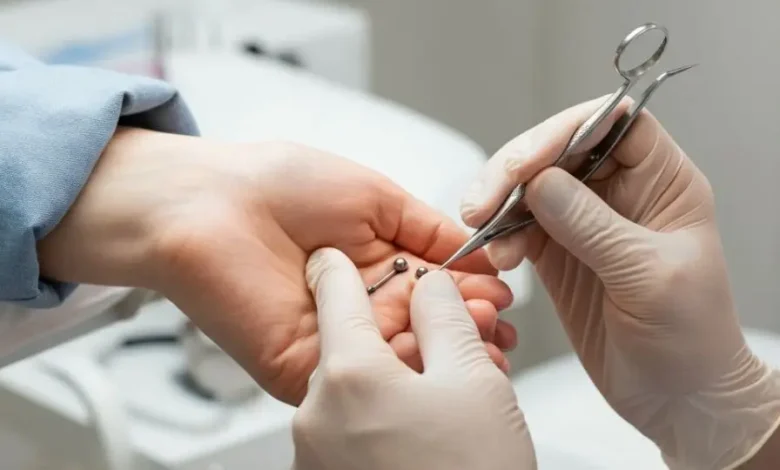
A fourchette piercing is a unique type of genital piercing located at the rear of the vaginal opening, specifically at the frenulum tissue between the vaginal opening and the perineum. Known for its intimate and discreet placement, it is favored by those seeking a blend of aesthetics and heightened sensation. While less common than other body piercings, the fourchette has gained attention in body modification communities due to its bold and personal nature.
Choosing a fourchette piercing is not merely a fashion decision; it involves careful consideration of one’s anatomy, pain tolerance, and lifestyle. Many individuals pursue this piercing for its aesthetic appeal, confidence-boosting qualities, and potential enhancement of sexual pleasure. However, given the sensitivity and location of the piercing, thorough research is critical before proceeding. Understanding the anatomy, pain levels, jewelry options, and aftercare is essential to ensure a safe and successful experience.
The popularity of fourchette piercings continues to grow, with more professional piercers offering services in specialized studios. Unlike typical ear or nose piercings, this type requires precise placement and expertise, as improper technique can lead to complications. Before committing, individuals are encouraged to consult professional piercers and possibly undergo an initial consultation to assess suitability. This combination of preparation and knowledge helps individuals make an informed choice that balances aesthetic goals with safety and comfort.
Anatomy and Placement
Understanding the anatomy of the area is critical for anyone considering a fourchette piercing. The frenulum tissue at the rear of the vaginal opening is delicate and sensitive, making accurate placement crucial. Professional piercers must assess the tissue’s thickness, flexibility, and positioning to determine the optimal angle and location for piercing. Incorrect placement can increase the risk of migration, irritation, or rejection, underscoring the need for expert handling.
Ideal placement should also account for movement and natural body anatomy. The piercing should be positioned to avoid contact with clothing or excessive friction, which can lead to irritation or prolonged healing. Unlike external piercings, the fourchette is in a highly sensitive area, meaning that even minor misalignment can result in discomfort during healing or daily activity. Additionally, understanding how this piercing differs from other genital piercings, such as clitoral hood or labia piercings, helps set expectations regarding sensation, aftercare, and healing time.
Suitability is another important consideration. Not everyone is anatomically suited for a fourchette piercing. Individuals with thin tissue, scarring, or certain health conditions may not be able to safely receive this type of piercing. A consultation with a professional piercer allows for assessment and ensures the piercing is performed under safe, sterile conditions. Awareness of anatomy and suitability helps minimize risks while maximizing both aesthetic appeal and comfort.
Pain, Healing, and Risks
Pain is a significant concern for many considering a fourchette piercing. Due to the sensitivity of the frenulum tissue, most individuals experience moderate to high discomfort during the procedure. Pain tolerance varies greatly, but professional piercers employ techniques such as precision clamps and numbing gels to minimize discomfort. Post-procedure, mild soreness and swelling are common, often lasting a few days to a week depending on individual healing capacity.
Healing time is another key factor. A typical fourchette piercing may take anywhere from 6 to 12 weeks to heal completely, though factors such as tissue health, hygiene, and activity level can affect this timeline. During healing, it is important to avoid activities that may introduce bacteria, friction, or excessive strain on the piercing. Sexual activity, tight clothing, and swimming in unclean water should be temporarily avoided to reduce the risk of complications.
Risks associated with fourchette piercings include infection, migration, rejection, and irritation. Infection can occur if proper hygiene is not maintained or if the piercing is exposed to bacteria. Migration occurs when the body gradually pushes the jewelry out of the tissue, often due to incorrect placement or unsuitable jewelry. Rejection is less common but possible if the tissue cannot support the piercing. Understanding these risks allows individuals to take proactive measures, such as following a strict aftercare regimen and choosing high-quality, hypoallergenic jewelry.
Jewelry Options and Styling
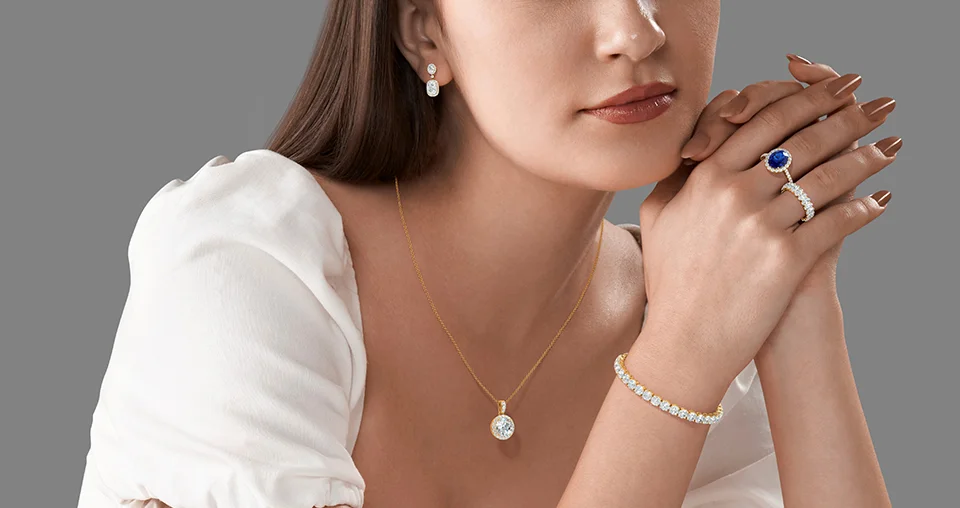
Selecting the right jewelry is critical for both comfort and healing. Common choices for fourchette piercings include captive bead rings, straight barbells, and curved barbells. Each type offers different benefits: rings allow slight movement, which can aid in cleaning and reduce friction, while barbells provide stability and reduce the likelihood of migration. The jewelry’s material is equally important. Surgical steel, titanium, gold, and biocompatible materials are recommended to prevent allergic reactions and promote faster healing.
Size and length of the jewelry must match the tissue thickness and anatomy to avoid discomfort. Too short jewelry can pinch the tissue, while too long may cause unnecessary movement, increasing irritation. Custom-fitted jewelry designed by a professional piercer often provides the best balance of comfort and aesthetics. Styling options also extend to the color, finish, and decorative elements of the jewelry, allowing personal expression while maintaining safety.
Jewelry choice directly impacts healing. Hypoallergenic materials reduce the risk of irritation, while smooth finishes prevent tissue trauma during movement. Additionally, proper sizing minimizes the chances of complications like migration or embedding. By carefully considering both the aesthetic and functional aspects of jewelry, individuals can enjoy a stylish piercing while maintaining optimal health and comfort.
Aftercare and Maintenance
Proper aftercare is essential to ensure a healthy fourchette piercing. Cleaning should be done with saline solution or a mild, fragrance-free antibacterial solution, applied at least twice daily. Avoid using harsh chemicals, alcohol, or hydrogen peroxide, which can damage delicate tissue and delay healing. Gentle cleaning should remove any debris while minimizing friction or trauma to the area.
Certain activities should be temporarily restricted to protect the piercing. Sexual activity, swimming, hot tubs, and contact with unclean surfaces may introduce bacteria and compromise healing. Wearing loose-fitting clothing reduces friction and prevents irritation. Monitoring for signs of infection, such as unusual discharge, excessive redness, or swelling, is crucial; immediate consultation with a professional piercer or healthcare provider is recommended if these occur.
Long-term maintenance involves routine cleaning, careful handling of jewelry, and regular check-ins with a professional piercer to ensure the piercing remains healthy. Avoiding unnecessary removal or swapping of jewelry during the initial months prevents tissue stress. With proper aftercare, a fourchette piercing can remain a safe, aesthetically pleasing, and functional part of personal expression for years.
Conclusion
The fourchette piercing is a bold, intimate, and visually striking choice for body modification enthusiasts. By understanding the anatomy, carefully selecting jewelry, and following diligent aftercare, individuals can achieve a safe and aesthetically pleasing piercing. Preparation, knowledge, and professional guidance are key to reducing risks, managing pain, and ensuring a smooth healing process. Whether chosen for personal expression or enhanced sensation, the fourchette piercing is a testament to both style and individuality, reflecting a commitment to informed and confident body modification.
FAQs
What is a fourchette piercing and where is it located?
A fourchette piercing is placed at the frenulum tissue at the rear of the vaginal opening, between the vaginal opening and perineum.
Does getting a fourchette piercing hurt?
Most individuals experience moderate to high discomfort during the procedure due to the sensitivity of the area.
How long does a fourchette piercing take to heal?
Healing typically takes 6 to 12 weeks, depending on hygiene, anatomy, and activity levels.
What type of jewelry is best for a fourchette piercing?
Captive bead rings, straight barbells, and curved barbells made of surgical steel, titanium, or gold are recommended.
How do I clean and care for my fourchette piercing?
Clean twice daily with saline solution or mild antibacterial products, avoid harsh chemicals, and wear loose clothing to prevent irritation.
Are there risks of infection or complications?
Yes, including infection, migration, rejection, and irritation. Proper placement and hygiene reduce these risks.
Can anyone get a fourchette piercing?
Not everyone is suitable; tissue thickness, anatomy, and health conditions should be evaluated by a professional piercer.
How do I know if my piercing is healing properly?
Mild soreness and swelling are normal; persistent redness, discharge, or unusual pain may indicate complications.
Can a fourchette piercing affect sexual activity?
Yes, activity should be temporarily restricted during healing to prevent irritation or infection.
How much does a fourchette piercing typically cost?
Costs vary by studio and location, generally ranging from $50 to $150, not including jewelry.
You May Also Read: Romper