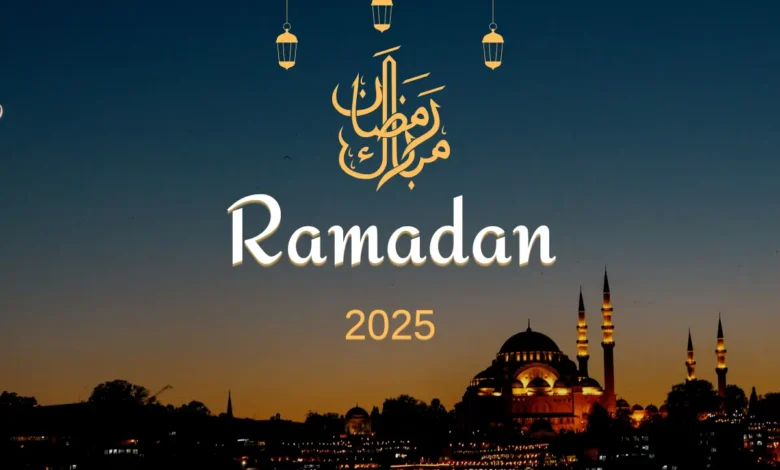
Ramadan 2025 is one of the most anticipated and spiritually uplifting times for Muslims around the world. It is the ninth month of the Islamic lunar calendar and holds immense religious significance as the period during which the Quran was first revealed. This holy month is marked by fasting from dawn to sunset, increased عبادات (worship), and a strong emphasis on self-discipline, compassion, and generosity. Beyond abstaining from food and drink, Ramadan 2025 is about purifying the soul, strengthening faith, and reconnecting with Allah.
In today’s fast-paced lifestyle, Ramadan offers a much-needed pause—a chance to reset spiritually, mentally, and physically. Families come together for Sehri (pre-dawn meal) and Iftar (breaking the fast), mosques are filled with worshippers, and communities unite in acts of kindness. Whether you are observing Ramadan 2025 for the first time or have been fasting for years, Ramadan 2025 provides a powerful opportunity to reflect, grow, and embrace a more mindful way of living.
Ramadan 2025: Expected Dates and Moon Sighting
Ramadan 2025 is expected to begin on the evening of Friday, February 28, 2025, with the first fast likely observed on Saturday, March 1, 2025, depending on the sighting of the moon. The Islamic calendar is based on lunar cycles, which means the exact start date of Ramadan 2025 varies slightly across different regions. Muslims eagerly await official moon sighting announcements from local authorities, making the beginning of Ramadan a moment of excitement and unity.
The tradition of moon sighting is deeply rooted in Islamic teachings and symbolizes the connection between faith and nature. Different countries may start fasting on slightly different days due to geographical differences in moon visibility. Despite these variations, the essence of Ramadan 2025 remains the same worldwide. This shared anticipation and collective observance highlight the unity of the global Muslim community, transcending borders and cultures.
Importance and Spiritual Significance of Ramadan
Ramadan 2025 is considered the holiest month in Islam because it commemorates the revelation of the Quran to Prophet Muhammad (PBUH). It is a time when the gates of mercy are believed to be open, and the rewards for good deeds are multiplied. Fasting during Ramadan 2025 is one of the Five Pillars of Islam, making it a fundamental act of worship for every eligible Muslim. Beyond physical abstinence, fasting teaches patience, humility, and gratitude for Allah’s blessings.
The concept of Taqwa, or God-consciousness, lies at the heart of Ramadan. Muslims are encouraged to avoid negative behaviors such as lying, gossiping, and anger, while focusing on prayer, charity, and good character. This spiritual discipline helps individuals develop a deeper connection with their faith and a stronger sense of purpose. Ramadan is not just a ritual—it is a transformative journey that nurtures both the heart and the mind.
Fasting in Ramadan: Rules and Guidelines
Fasting during Ramadan is obligatory for all adult Muslims who are physically and mentally capable. However, Islam provides flexibility and compassion by exempting certain groups, including children, the elderly, travelers, pregnant or nursing women, and those who are ill. These individuals can either make up missed fasts later or provide compensation through charity, ensuring that the practice remains inclusive and considerate of personal circumstances.
The fast begins at dawn (Fajr) and ends at sunset (Maghrib). During this time, Muslims abstain from eating, drinking, smoking, and marital relations. It is also essential to avoid sinful behavior, as fasting is not just about physical restraint but also about moral discipline. The day typically starts with Sehri, a pre-dawn meal that provides energy for the day, and ends with Iftar, often begun with dates and water, following the Sunnah of Prophet Muhammad (PBUH).
Ramadan 2025 Prayer and عبادات Guide
Prayer becomes even more significant during Ramadan, with Muslims striving to perform all five daily Salah on time and with greater focus. The month encourages increased recitation of the Quran, remembrance of Allah (Dhikr), and making sincere supplications (Dua). Many people set personal عبادات goals, such as completing the Quran or improving consistency in prayers. This heightened devotion creates a spiritually enriching environment.
One of the most special aspects of Ramadan is the Taraweeh prayer, performed at night after Isha. These voluntary prayers are often offered in congregation at mosques, where long portions of the Quran are recited. Additionally, the last ten nights of Ramadan hold immense significance, particularly Laylat al-Qadr (the Night of Power), which is believed to be better than a thousand months. Muslims spend these nights in intense worship, seeking forgiveness and blessings.
Ramadan 2025 Timings and Daily Schedule
Managing time effectively during Ramadan is essential for maintaining a balance between عبادات, work, and rest. A typical day begins early with Sehri, followed by Fajr prayer. Afterward, many people rest before starting their daily responsibilities. Throughout the day, it is important to conserve energy, stay hydrated (during non-fasting hours), and remain mindful of one’s actions and intentions.
As sunset approaches, families prepare for Iftar, creating a sense of anticipation and togetherness. After breaking the fast, Muslims perform Maghrib prayer, followed by dinner and Taraweeh prayers later in the evening. Creating a structured routine helps maximize productivity while ensuring that spiritual goals are met. Ramadan is not about slowing down life but about aligning it with purpose and discipline.
Healthy Fasting Tips for Ramadan 2025
Maintaining good health during Ramadan is crucial for a fulfilling experience. Sehri should include nutrient-rich foods such as whole grains, fruits, proteins, and healthy fats to provide sustained energy throughout the day. Avoiding salty and sugary foods can help prevent dehydration and energy crashes. Drinking plenty of water between Iftar and Sehri is essential for staying hydrated.
At Iftar, it is important to break the fast with light and balanced meals. Starting with dates and water, followed by soups and salads, can help the body adjust before consuming heavier foods. Overeating should be avoided, as it can lead to discomfort and fatigue. Incorporating moderate physical activity and maintaining a proper sleep schedule can further enhance overall well-being during Ramadan.
Charity and Good Deeds in Ramadan
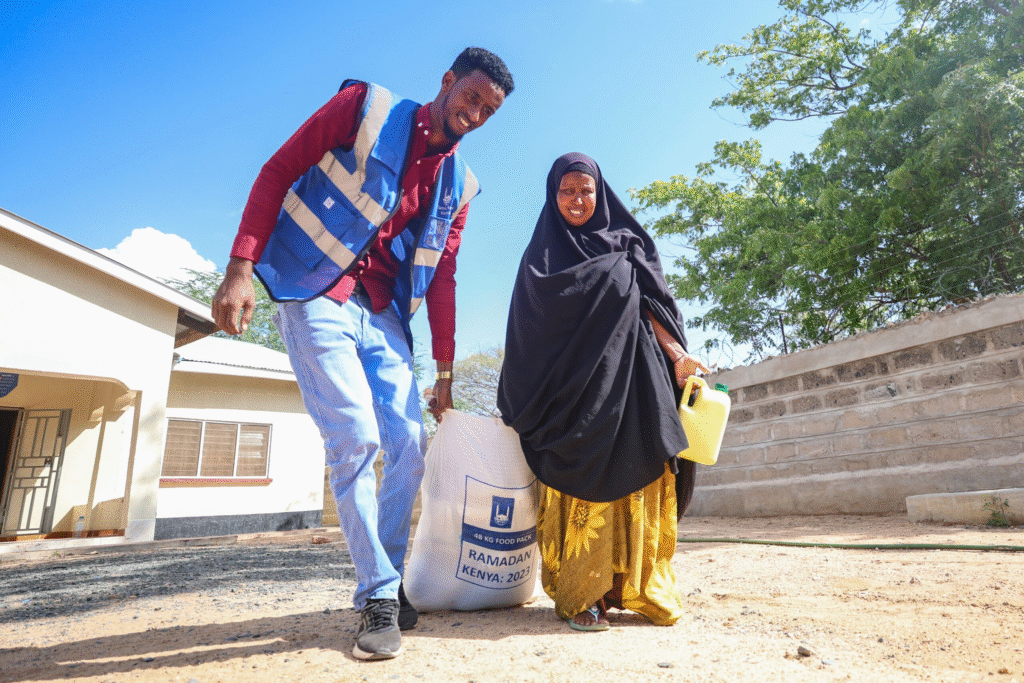
Charity holds a special place in Ramadan, with Muslims encouraged to give generously to those in need. Zakat (obligatory charity) and Sadaqah (voluntary charity) are key aspects of the month, reflecting the values of compassion and social responsibility. Helping others not only benefits the community but also brings immense spiritual rewards.
Acts of kindness during Ramadan go beyond financial contributions. Volunteering, feeding the hungry, and supporting neighbors are all meaningful ways to give back. This spirit of generosity strengthens community bonds and fosters a sense of unity. Ramadan serves as a reminder that true wealth lies in giving and sharing with others.
Preparing for Ramadan 2025
Preparation is essential for making the most of Ramadan. Spiritually, individuals can set intentions, seek forgiveness, and plan عبادات goals. Physically, adjusting sleep patterns and dietary habits before Ramadan can make the transition smoother. Creating a schedule for prayers, Quran recitation, and daily tasks can help maintain consistency throughout the month.
Practical preparation includes grocery shopping, meal planning, and organizing household responsibilities. Having a clear plan reduces stress and allows more time for worship and reflection. By preparing in advance, Muslims can enter Ramadan with a focused and positive mindset, ready to embrace its blessings fully.
Conclusion
Ramadan 2025 is a time of immense spiritual growth, self-discipline, and community connection. It offers a unique opportunity to strengthen faith, improve character, and develop a deeper relationship with Allah. From fasting and prayers to charity and reflection, every aspect of Ramadan is designed to nurture the soul and inspire positive change.
As the holy month approaches, embracing its teachings and traditions can lead to a truly transformative experience. Whether through عبادات, helping others, or personal reflection, Ramadan 2025 encourages individuals to become the best version of themselves. It is not just a month of fasting—it is a journey of renewal, gratitude, and spiritual elevation.
FAQs
When will Ramadan 2025 start?
It is expected to begin on March 1, 2025, depending on moon sighting.
How many hours is fasting in Ramadan 2025?
Fasting hours vary by location, typically between 12–16 hours.
Who is exempt from fasting?
Children, elderly, sick individuals, travelers, and pregnant or nursing women.
What breaks a fast in Ramadan?
Eating, drinking, and intentional actions like smoking.
What is the importance of Taraweeh prayers?
They are special nightly prayers that bring spiritual rewards.
How can I stay healthy during fasting?
Eat balanced meals, stay hydrated, and avoid overeating.
What is Laylat al-Qadr?
A blessed night in the last ten days, better than a thousand months.
Can I work during Ramadan while fasting?
Yes, with proper time management and energy conservation.
What should I eat in Sehri and Iftar?
Nutritious, balanced meals with proteins, fruits, and fluids.
How can I prepare for Ramadan in advance?
Plan عبادات, adjust routines, and organize meals and schedules.
You May Also Read: Pancake Day 2025