How Often Should You Change Duvet? Complete Guide to Duvet Lifespan, Replacement Signs and Care Tips


Knowing How Often Should You Change Duvet is important for maintaining a comfortable, clean, and relaxing sleep environment. Many people remember to wash their sheets and duvet covers regularly but forget that the inner duvet also needs attention. In general, a good-quality duvet can last around 5 to 10 years, while cheaper synthetic duvets may need replacing after 2 to 5 years. The exact lifespan depends on the filling material, quality, daily use, and how well you care for it.
The answer to How Often Should You Change Duvet is not the same for everyone because every household has different needs. A duvet used every night will experience more pressure, moisture, and movement compared with one used occasionally. If your duvet still feels comfortable, provides enough warmth, and keeps its shape, it may continue to work well. However, if it becomes flat, uneven, or uncomfortable, it may be time for a replacement.
Many people confuse changing a duvet with changing a duvet cover. A duvet cover acts as a protective layer and should be washed much more frequently because it collects sweat, oils, and everyday dirt. The duvet itself needs less frequent cleaning, but it still requires proper maintenance to remain fresh and effective.
Understanding How Often Should You Change Duvet helps you avoid replacing bedding too early while also preventing you from using an old duvet that no longer provides proper comfort. The goal is to balance hygiene, performance, and value so your bedding continues to support better sleep.
How Long Does a Duvet Last? Lifespan Based on Filling Type
The lifespan of a duvet mainly depends on the material inside it. Different duvet fillings have different levels of durability, warmth, and maintenance requirements. When considering How Often Should You Change Duvet, the filling type is one of the biggest factors because some materials naturally maintain their shape for longer than others.
Synthetic duvets are one of the most common choices because they are affordable, lightweight, and easy to wash. However, synthetic fibres can become compressed over time, causing the duvet to lose its original softness and warmth. Most synthetic duvets last around 2 to 5 years, although premium versions may last longer with careful maintenance.
| Duvet Filling Type | Average Lifespan | Features |
| Synthetic duvet | 2–5 years | Affordable, easy to clean |
| Feather duvet | 5–10 years | Durable and breathable |
| Down duvet | 5–10+ years | Lightweight and excellent insulation |
| Wool duvet | Around 5–10 years | Natural temperature control |
Natural fillings usually have a longer lifespan because they recover their shape better and provide consistent comfort over time. A high-quality down duvet, for example, can remain comfortable for many years when it is aired regularly and protected from excessive moisture.
When thinking about How Often Should You Change Duvet, quality is just as important as age. A well-made duvet with strong stitching and high-quality filling can last much longer than a cheaper option. Investing in better bedding may reduce the need for frequent replacement.
Signs That Show You Need to Replace Your Duvet
Age alone does not decide when a duvet needs changing. The condition of the duvet is often the best indicator. If your duvet no longer feels the same as when you bought it, it may be losing its effectiveness. A duvet should provide warmth, comfort, and even support throughout the night.
One of the biggest signs that you need a new duvet is loss of warmth. If you feel colder during sleep even though the room temperature has not changed, the filling may have lost its ability to trap heat. Flattened areas and uneven filling are also common signs that the duvet is reaching the end of its useful life.
Common signs your duvet needs replacing include:
- The filling has become flat or lumpy
- The duvet no longer feels warm enough
- There are permanent stains or yellow marks
- The fabric casing is damaged
- Unpleasant smells remain after cleaning
- The duvet feels uncomfortable during sleep
- The duvet has exceeded its expected lifespan
For people with allergies, an old duvet may become less comfortable over time because bedding can collect dust and other particles. Regular cleaning can help maintain freshness, but it cannot restore a duvet that has lost its structure or insulation.
Understanding How Often Should You Change Duvet also means paying attention to how your bedding performs. A duvet that looks clean may still need replacing if it no longer provides the comfort and warmth you need.
How Often Should You Wash a Duvet Compared to Replacing It?
When discussing How Often Should You Change Duvet, it is important to understand the difference between washing and replacing. Washing removes dirt, moisture, and everyday buildup, while replacing is necessary when the duvet has become damaged or no longer performs properly.
Most duvets should be cleaned every 6 to 12 months depending on the material and household conditions. People with pets, allergies, children, or increased sweating may need to clean their duvet more often. However, washing cannot repair damaged filling or bring back lost softness.
A simple bedding care schedule can help:
| Bedding Item | Recommended Care |
| Bed sheets | Wash weekly |
| Duvet cover | Wash every 1–2 weeks |
| Inner duvet | Clean every 6–12 months |
| Duvet replacement | Usually every 2–10 years depending on quality |
Using a duvet protector is one of the easiest ways to extend the lifespan of your bedding. It creates an additional barrier between the duvet and daily exposure from sweat, dust, and moisture. This reduces wear and helps keep the filling cleaner.
Many people replace their duvet too quickly because they do not follow proper care methods. On the other hand, some people continue using old duvets for many years even after they stop providing comfort. Finding the right balance is the key to better bedding maintenance.
How to Make Your Duvet Last Longer
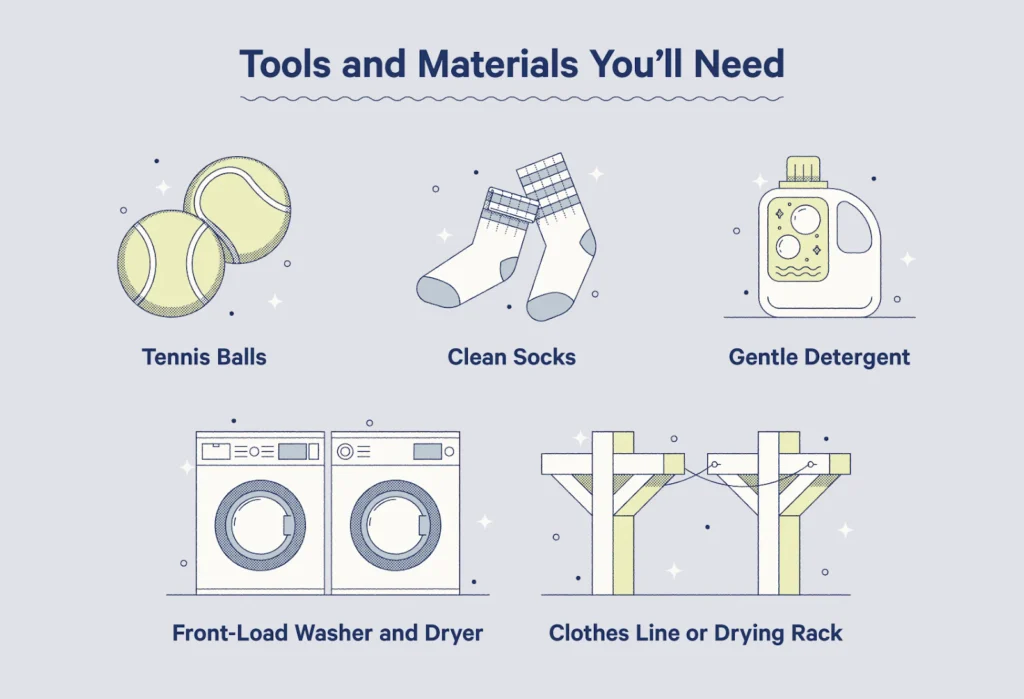
Proper duvet care can delay replacement and help you get better value from your bedding. Simple habits such as airing your duvet, using protective covers, and following washing instructions can make a significant difference. Good maintenance keeps the filling healthier and helps preserve comfort.
Airing your duvet regularly allows trapped moisture to escape. This is especially useful because bedding collects moisture naturally during sleep. Shaking your duvet gently also helps distribute the filling evenly and prevents some areas from becoming compressed.
To extend your duvet lifespan:
- Use a quality duvet cover
- Add a duvet protector
- Follow the care label instructions
- Allow your duvet to air occasionally
- Store seasonal duvets properly
- Avoid keeping the duvet damp
Storage is another important factor. If you use different duvets for summer and winter, make sure each one is completely dry before storing it. A breathable storage bag is better than a tightly sealed container because it helps prevent moisture problems.
Following these steps can help you get closer to the recommended lifespan and delay the need for replacement. However, even the best-maintained duvet will eventually need changing when its performance declines.
Choosing a New Duvet When Your Old One Needs Replacing
When your duvet reaches the end of its life, choosing a suitable replacement can improve your sleeping experience. The right duvet depends on your sleeping habits, climate, preferred warmth level, and personal requirements.
Before buying a new duvet, consider the filling material. Down duvets provide lightweight warmth, wool duvets offer natural temperature control, and synthetic options are often easier to maintain. Your choice should depend on what feels comfortable and practical for your lifestyle.
Important factors to consider include:
- Duvet filling type
- Tog rating and warmth level
- Seasonal requirements
- Allergy concerns
- Washing instructions
- Expected lifespan
A higher-quality duvet may cost more initially, but it can provide better comfort and last longer. Choosing a durable product can save money over time because you may not need to replace it as frequently.
Knowing How Often Should You Change Duvet helps you make smarter purchasing decisions. Instead of waiting until your duvet becomes unusable, you can replace it at the right time and enjoy improved comfort.
Conclusion
Knowing How Often Should You Change Duvet helps you maintain better bedding habits and improve your overall sleep experience. Most synthetic duvets may need replacing after 2 to 5 years, while high-quality natural duvets can often last 5 to 10 years or longer with proper care.
The best time to replace your duvet depends on its condition. Flat filling, reduced warmth, unpleasant smells, and poor comfort are clear signs that your current duvet may no longer be suitable.
Regular washing, airing, and protection can extend your duvet lifespan, but no duvet lasts forever. Replacing your duvet when needed ensures better comfort, improved hygiene, and a more relaxing sleep environment.
FAQs
How Often Should You Change Duvet?
Most people should replace their duvet every 5 to 10 years, but the timeline depends on the material, quality, and condition of the duvet.
How long does a synthetic duvet last?
A synthetic duvet usually lasts around 2 to 5 years. Higher-quality synthetic options may last longer with proper care.
Can a duvet last 10 years?
Yes, some premium down, feather, and wool duvets can last 10 years or more when maintained correctly.
How often should you wash a duvet?
Most duvets should be cleaned every 6 to 12 months, depending on usage and household conditions.
What are the main signs that a duvet needs replacing?
Loss of warmth, flat filling, lumps, permanent smells, damaged fabric, and reduced comfort are common replacement signs.
Is washing enough to restore an old duvet?
Cleaning can refresh a duvet, but it cannot repair damaged filling or restore lost insulation.
Which duvet filling lasts the longest?
High-quality down, feather, and wool fillings generally last longer than basic synthetic materials when properly cared for.
You May Also Read: Is Cadburys Halal