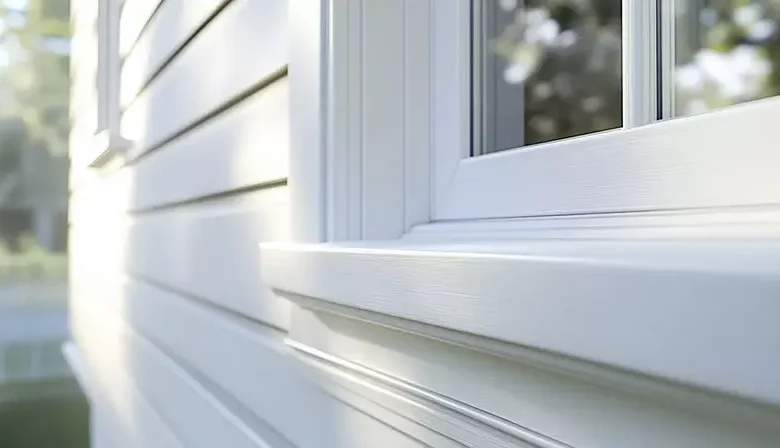
A window sill is one of the most underrated yet essential elements in both interior and exterior home design. Positioned at the base of a window frame, window sills serve practical functions such as supporting the window structure, preventing water ingress, and improving insulation. Beyond their functional role, they also contribute to the overall aesthetic of a room, offering opportunities for décor and design. Whether old or new, a well-maintained window sill can enhance the beauty and functionality of a space.
Throughout history, window sills were primarily functional, made from stone or wood to protect buildings from rain and weathering. Today, they serve both structural and decorative purposes. Modern materials, styles, and finishes allow homeowners to choose window’sills that complement their interior décor while still serving practical purposes. From indoor flower displays to outdoor planters, window sills have evolved into versatile spaces that add personality to homes.
In this comprehensive guide, we will explore everything you need to know about window’sills, including their types, materials, maintenance, décor ideas, and installation tips. Whether you’re a DIY enthusiast or simply looking to upgrade your home’s aesthetic, this guide will provide insights and practical advice to maximize both the style and function of your window sills.
Understanding Window Sills
A window sill is a horizontal ledge installed at the bottom of a window, designed to support the frame and protect the wall beneath. Traditionally, sills were made from stone or wood and were essential in preventing rainwater from seeping into the building structure. In modern construction, window sills are equally important for insulating a home, providing durability, and enhancing the overall energy efficiency of the window installation.
Interior and exterior window sills serve slightly different purposes. Interior sills focus on aesthetics and convenience, often becoming a platform for décor or plants, while exterior sills are primarily designed to shed water, protect the building façade, and withstand harsh weather conditions. Choosing the right type of sill for each space ensures that it meets both functional and design needs.
Different materials offer unique benefits. Stone and marble are durable and resistant to wear, wood provides warmth and charm, while PVC and composite materials are low-maintenance and cost-effective. Understanding the role, location, and function of a window sill is crucial before selecting materials or planning any design upgrades. This knowledge ensures that your window’sill not only enhances your space but also stands the test of time.
Materials and Styles for Window Sills
Selecting the right material for a window’sill depends on factors such as durability, maintenance, style, and budget. Wood is a popular choice for interior sills due to its natural beauty and ability to be painted or stained. However, it requires regular maintenance to prevent damage from moisture. Stone, marble, and granite are highly durable and ideal for both indoor and outdoor use, adding a sophisticated touch to any home.
PVC and composite materials have become popular in modern construction for their affordability, durability, and low maintenance. These materials resist water damage, do not warp, and are often available in a variety of colors and finishes to match contemporary décor. Concrete window’sills are another option, especially for industrial or minimalist designs, offering strength and longevity.
In terms of design, window’sills can be simple, minimalist ledges or extended platforms that double as shelves or seating areas. Floating sills, recessed sills, and integrated storage sills are modern trends that maximize space while maintaining clean aesthetics. When choosing a style, consider both functionality and compatibility with your home’s overall design theme. A well-chosen window sill can significantly enhance the visual appeal and practicality of a room.
Window Sill Maintenance and Repairs
Proper maintenance is key to prolonging the life of a window sill, regardless of the material. Wooden sills require periodic sealing or painting to protect against moisture and prevent warping or rot. Stone and marble sills benefit from cleaning with gentle, non-abrasive products to avoid scratches or discoloration. PVC and composite sills are low-maintenance but should still be cleaned regularly to prevent dirt buildup.
Preventing damage is equally important. Exterior sills should be regularly checked for cracks, loose edges, or signs of water damage. Interior sills can suffer from scratches or staining, particularly in high-traffic areas or spaces used for plants and décor. Addressing minor repairs promptly, such as filling cracks or sanding rough edges, ensures the sill remains functional and attractive.
Knowing when to replace a window’sill is critical. Signs such as persistent water damage, structural instability, or irreversible wear indicate that replacement is necessary. Replacing old sills with modern materials or designs can improve insulation, energy efficiency, and aesthetics, providing long-term benefits that outweigh the initial investment.
Styling and Decorating Window Sills
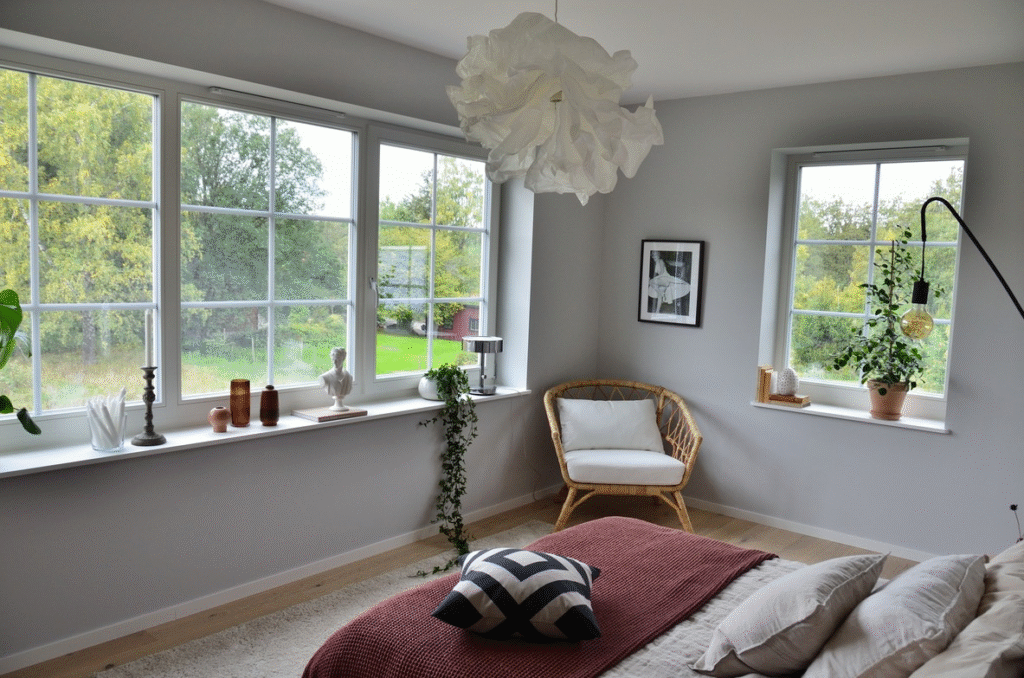
Window sills are not only functional but also offer a valuable space for decorating and personal expression. Indoors, sills can be used to display potted plants, candles, books, or small decorative objects, adding character and charm to a room. Choosing plants that thrive on window’sills, such as succulents or herbs, combines aesthetics with practicality.
Functional styling is also possible. Wider window sills can double as mini shelves, reading nooks, or seating areas. Outdoor window sills can accommodate flower boxes, planters, or ambient lighting, enhancing curb appeal and connecting interior spaces with nature. Seasonal decorations, from holiday accents to seasonal greenery, can further personalize window sills while keeping them visually engaging.
For a cohesive look, match sill materials with other interior elements, such as flooring, cabinetry, or window frames. Layering textures, colors, and decorative objects can transform a simple ledge into a focal point of the room. By thoughtfully decorating and maintaining window sills, homeowners can achieve both beauty and function in a small but impactful space.
Installing or Replacing a Window Sill
Installing or replacing a window sill requires careful planning and the right tools. Begin by measuring the window opening accurately and selecting a material that fits both functional and aesthetic needs. For DIY projects, tools such as a saw, level, screws, adhesive, and sealant are typically needed, along with protective gear.
The process involves removing the old sill if necessary, preparing the surface, and ensuring the new sill fits securely with a slight slope for exterior sills to allow water runoff. Interior sills should be leveled and secured while leaving room for expansion if wood is used. Professional installation may be preferred for large, heavy, or complex materials like stone or marble.
Cost considerations vary depending on materials and complexity. Wooden sills are affordable and versatile, while stone or marble options may be pricier but offer long-lasting durability. Proper installation ensures the sill performs its protective functions and remains a stylish element of the home.
Conclusion
Window sills are essential for both function and style. They protect the structure, improve insulation, and enhance the overall look of a home. With the right materials, maintenance, and décor, window sills can transform from simple architectural elements into functional and attractive features. Investing time and care into selecting, maintaining, and styling window’sills ensures they remain durable, practical, and beautiful for years to come.
FAQs
What is the purpose of a window sill?
To support the window frame, prevent water ingress, and enhance insulation.
Which material is best for a durable window sill?
Stone, marble, and PVC are highly durable, while wood offers warmth and charm with proper maintenance.
Can I paint or stain a window sill?
Yes, especially wood sills, to enhance aesthetics and protect against moisture.
How do I fix a cracked or chipped window sill?
Minor cracks can be filled with filler or sealant; major damage may require replacement.
What is the difference between an interior and exterior window sill?
Interior sills focus on aesthetics and functionality, while exterior sills protect against weather and water damage.
How do I waterproof a wooden window sill?
Use sealants, paint, or varnish to protect the wood from moisture exposure.
Can window sills be used for indoor gardening?
Yes, they provide natural light for plants and can accommodate small pots or herb gardens.
You May Also Read: Automatic Driving Training