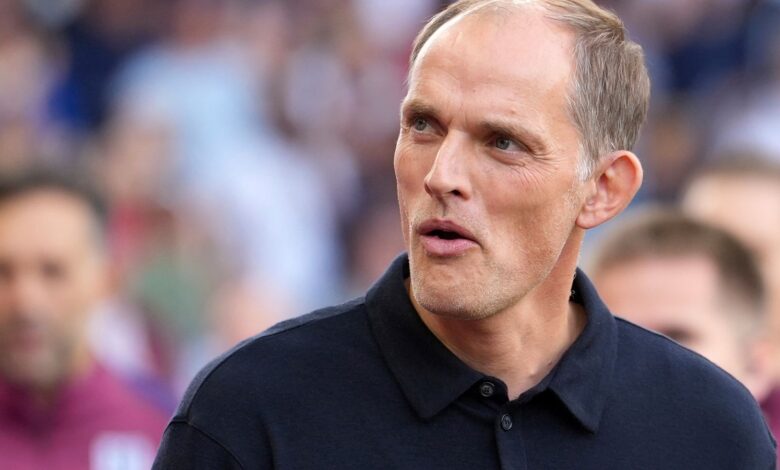
Thomas Tuchel is widely regarded as one of the most intelligent and tactically innovative managers in modern football. Known for his analytical mindset, strategic adaptability, and disciplined approach to team management, Tuchel has become a prominent figure in European football. Over the years, he has managed some of the continent’s biggest clubs and led them to major domestic and international achievements. His ability to transform teams quickly and implement complex tactical systems has earned him admiration from players, analysts, and fans alike.
Thomas Tuchel rise to prominence is not simply the story of a successful manager but also an example of perseverance and intellectual curiosity. Unlike many managers who rely heavily on past playing fame, Tuchel built his career through careful study of the game and dedication to tactical improvement. His coaching philosophy combines modern pressing systems, flexible formations, and a strong emphasis on teamwork. These elements allow his teams to perform effectively against a wide range of opponents.
Throughout his managerial journey, Tuchel has demonstrated a remarkable ability to adapt to different football cultures and competitive environments. From Germany’s Bundesliga to France’s Ligue 1 and England’s Premier League, he has consistently proven his ability to build winning teams. His story offers valuable insights into modern football management and shows how innovation and strategic thinking can lead to extraordinary success in the sport.
Early Life and Football Beginnings
Thomas Tuchel was born in Germany, where football plays an important role in everyday culture. Like many young boys growing up in the country, he developed a strong passion for the sport at an early age. Football clubs, local competitions, and community teams were central to his childhood experiences, providing the foundation for his lifelong interest in the game.
As a young player, Tuchel demonstrated a deep understanding of football tactics and positioning. He played as a defender and showed strong discipline and awareness on the field. However, his playing career never reached the heights of global recognition that some footballers achieve. Despite this, his early years in football helped him understand the importance of teamwork, organization, and strategy.
Unfortunately, Tuchel’s professional playing career was cut short due to injury. While such setbacks can be discouraging, Tuchel chose to view this moment as an opportunity rather than a failure. Instead of abandoning the sport, he decided to pursue a new path within football by focusing on coaching and tactical development.
This transition proved to be one of the most important decisions of his life. By shifting his attention to coaching, Tuchel began studying the game from a strategic perspective. He analyzed formations, player movements, and match strategies in detail. These early studies laid the groundwork for the innovative coaching methods that would later define his managerial career.
Beginning of Thomas Tuchel’s Coaching Career
Tuchel’s coaching journey began within youth development systems, where he gained valuable experience working with young players. These early roles allowed him to experiment with different training techniques and tactical ideas while developing leadership skills. Coaching youth teams also helped him understand how to nurture talent and encourage players to improve their technical and mental abilities.
His first major opportunity as a head coach came when he joined 1. FSV Mainz 05. At Mainz, Tuchel inherited a team that did not possess the financial resources of Europe’s elite clubs. However, he turned this challenge into an advantage by focusing on organization, discipline, and teamwork. Under his leadership, Mainz developed a reputation for energetic pressing and well-structured defensive play.
During his time at Mainz, Tuchel also became known for his attention to detail. He studied opponents carefully and adjusted his tactics to exploit weaknesses in rival teams. This analytical approach helped Mainz compete against stronger clubs in the Bundesliga and earned Tuchel recognition as one of Germany’s most promising young coaches.
His work at Mainz proved that innovative tactics and strong leadership could compensate for limited resources. The success he achieved there caught the attention of larger clubs across Europe, setting the stage for the next phase of his managerial career.
Rise to Prominence in European Football
Thomas Tuchel reputation grew significantly when he became the manager of Borussia Dortmund. Taking over a club with high expectations, he faced the challenge of maintaining competitive performance while introducing his own tactical ideas. Tuchel implemented an attacking style of football combined with organized pressing, allowing Dortmund to remain one of the most exciting teams in the Bundesliga.
During his time at Dortmund, Tuchel helped the club achieve strong domestic results and win important trophies. His tactical systems emphasized quick passing, intelligent positioning, and high defensive pressure. These strategies allowed Dortmund to compete against powerful rivals and maintain a reputation as one of Germany’s top teams.
After his successful period in Germany, Tuchel moved to France to manage Paris Saint-Germain F.C.. At PSG, he faced a different challenge: managing a squad filled with world-famous players and enormous expectations. Balancing star power while maintaining team unity required both tactical intelligence and strong communication skills.
Under Thomas Tuchel leadership, PSG achieved domestic dominance and reached the final of the UEFA Champions League. This accomplishment marked one of the most significant achievements in the club’s history and demonstrated Tuchel’s ability to lead elite teams on the biggest stage in European football.
Triumph with Chelsea
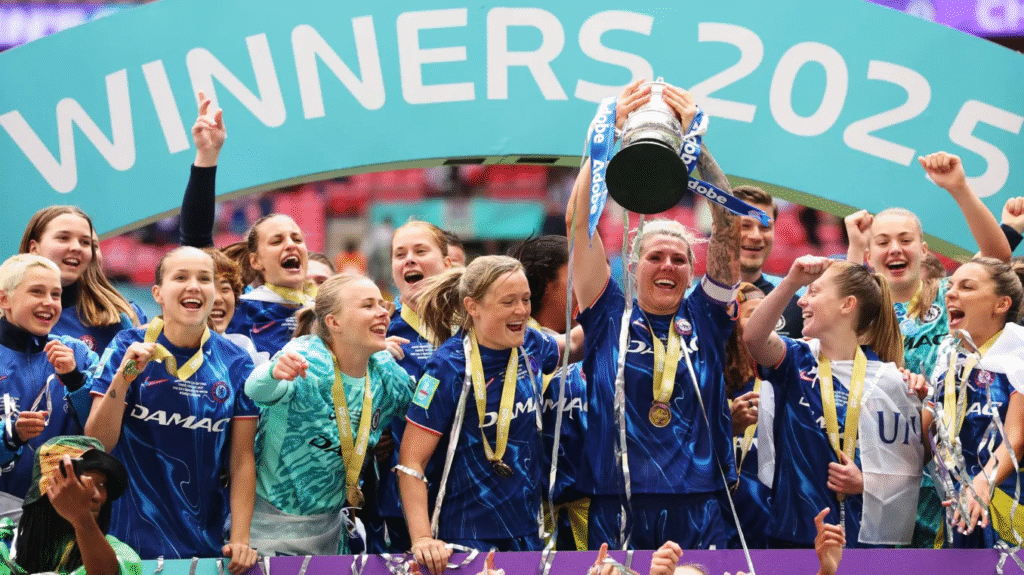
One of the defining moments in Tuchel’s managerial career came when he joined Chelsea F.C.. Taking charge of the team during a challenging period, Tuchel quickly implemented tactical adjustments that improved the club’s defensive stability and overall organization. His system emphasized compact defensive structure and efficient counterattacking play.
Within a short period, Tuchel transformed Chelsea into a highly disciplined and competitive team. Players responded positively to his tactical instructions, and the club began achieving impressive results in both domestic and European competitions. His ability to motivate players and communicate strategic ideas played a crucial role in this transformation.
The highlight of his time at Chelsea came when the club won the UEFA Champions League. The victory was a remarkable achievement, especially considering how quickly Tuchel had rebuilt the team’s confidence and tactical identity. The triumph established him as one of the most successful managers in European football.
Winning the Champions League also demonstrated Thomas Tuchel ability to perform under pressure. Managing a team through intense knockout matches requires strategic planning, mental strength, and the ability to adapt quickly. Tuchel’s success in this competition confirmed his reputation as a tactical mastermind.
Thomas Tuchel’s Tactical Philosophy
Tuchel’s coaching philosophy is built around flexibility and intelligent game management. Unlike managers who rely on a single formation, he frequently adjusts his tactical systems depending on the opponent and match situation. This adaptability makes his teams difficult to predict and allows them to exploit weaknesses in opposing defenses.
One of the core principles of his strategy is high pressing. Tuchel encourages his players to apply pressure on opponents quickly after losing possession, forcing mistakes and regaining control of the ball. This aggressive approach can disrupt opposing teams and create scoring opportunities.
Another important aspect of his philosophy is positional awareness. Tuchel carefully organizes player movements so that each position supports the others both defensively and offensively. This balance allows his teams to maintain control of the game while minimizing vulnerabilities.
His leadership style also plays a significant role in his success. Tuchel is known for communicating openly with players and providing clear tactical instructions. By building strong relationships within the team, he creates an environment where players feel motivated to perform at their highest level.
Conclusion
The career of Thomas Tuchel demonstrates how intelligence, adaptability, and dedication can lead to remarkable success in football management. From his early days as a player whose career was cut short by injury to his rise as one of Europe’s most respected coaches, Tuchel has consistently shown an ability to innovate and lead.
His achievements with clubs such as Borussia Dortmund, Paris Saint-Germain F.C., and Chelsea F.C. highlight his versatility and strategic brilliance. Winning the UEFA Champions League further cemented his place among football’s elite managers.
As football continues to evolve, Tuchel’s influence on tactical innovation and team management remains significant. His journey serves as inspiration for aspiring coaches and demonstrates the power of analytical thinking and passion in achieving success at the highest level of sport.
Frequently Asked Questions (FAQs)
Who is Thomas Tuchel?
Thomas Tuchel is a German football manager known for his tactical expertise and success with major European clubs.
Which clubs has Thomas Tuchel managed?
He has managed several teams, including Mainz 05, Borussia Dortmund, Paris Saint-Germain, and Chelsea.
Did Thomas Tuchel win the Champions League?
Yes, he won the UEFA Champions League while managing Chelsea.
What is Thomas Tuchel’s coaching style?
His style focuses on tactical flexibility, pressing, and strong defensive organization.
Where did Thomas Tuchel begin his coaching career?
He started his managerial career at Mainz 05.
Why is Thomas Tuchel considered a top manager?
His tactical innovation, adaptability, and ability to succeed at elite clubs make him one of the most respected football managers in modern football.
You May Also Read: Paul Smith Comedian