Desk Chair on Carpet: Best Solutions to Improve Movement, Prevent Damage, and Build a Comfortable Workspace

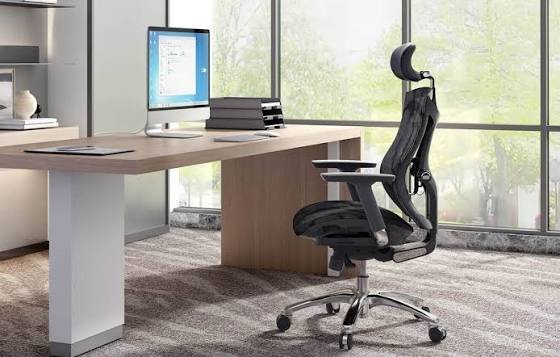
Using a desk chair on carpet can create a more comfortable and quieter workspace, but it also comes with challenges that many office users discover after spending hours at their desks. A rolling chair that works perfectly on hardwood or tile may feel difficult to move on carpet because the wheels sink into the fibers, create resistance, and make repositioning harder. Over time, the constant pressure from chair casters can also leave marks, flatten carpet fibers, and reduce the lifespan of your flooring.
The good news is that carpet does not mean you have to sacrifice mobility or comfort. With the right combination of chair wheels, protective surfaces, and workspace adjustments, you can create a setup that works smoothly. The best solution depends on several factors, including your carpet thickness, chair weight, how often you use your workspace, and whether you want a budget-friendly improvement or a long-term upgrade.
This guide explains why office chairs struggle on carpet, how to choose the right wheels and mats, which solutions work best for different carpet types, and how to protect your flooring while maintaining an ergonomic workspace.
Why Does a Desk Chair Have Problems Rolling on Carpet?
The main reason a desk chair struggles on carpet is friction. Most office chairs are designed with small caster wheels that perform best on hard surfaces. When these wheels move across carpet, especially thick or soft carpet, they press down into the fibers instead of rolling freely. This creates resistance, making it harder to move the chair backward, forward, or sideways during normal work activities.
The problem becomes more noticeable when a chair is used for several hours every day. A person constantly adjusting their position, reaching for items, or moving between different areas of the desk creates repeated pressure on the same section of carpet. Over time, the carpet fibers can become compressed, resulting in visible marks or uneven areas beneath the workspace.
Carpet type also plays an important role. Low-pile carpets usually create fewer problems because the wheels remain closer to a stable surface. Medium and high-pile carpets create more resistance because the wheels have to push through deeper fibers. Understanding your carpet type helps you choose the right solution instead of spending money on an option that does not solve the problem.
Can a Desk Chair Damage Carpet Over Time?
A desk chair on carpet can cause damage if the setup is not suitable for the flooring. The most common issue is fiber compression, where the repeated weight of the chair and user pushes carpet fibers downward. This is usually noticeable in areas where the chair stays for long periods, such as directly under a desk.
Heavy office chairs and gaming chairs can create more pressure because they distribute more weight through small caster wheels. Over time, this concentrated pressure can flatten carpet fibers and make the area look worn compared with the surrounding floor. In some cases, low-quality carpet or soft padding underneath may also experience more noticeable indentation.
However, using a desk chair on carpet does not automatically mean your flooring will be ruined. The right preventive measures can significantly reduce damage. A suitable chair mat, larger wheels, regular cleaning, and occasional repositioning can protect your carpet while allowing you to enjoy the comfort and warmth that carpet provides.
Choosing the Best Chair Wheels for Carpet Floors
One of the easiest upgrades for improving a desk chair on carpet is replacing standard caster wheels with wheels designed for smoother movement. Many factory-installed office chair wheels are made from hard plastic and are better suited for smooth flooring. On carpet, they often sink and create unnecessary resistance.
Large polyurethane wheels, often called rollerblade-style casters, are a popular option because they distribute weight across a wider surface area. Instead of digging into carpet fibers like smaller wheels, they roll more smoothly and require less effort to move. They are also quieter and can make an existing chair feel significantly easier to use.
When choosing replacement wheels, consider important factors such as wheel diameter, material quality, weight capacity, and compatibility. Larger wheels generally perform better on carpet because they handle uneven surfaces more effectively. Soft polyurethane materials are preferred because they provide smoother movement while reducing stress on carpet fibers.
Chair Mat vs Replacement Wheels: Which Solution Is Better?
Choosing between a chair mat and replacement wheels depends on your specific needs. A chair mat creates a firm surface between the chair and carpet, allowing wheels to roll almost like they would on a hard floor. It also provides strong protection against pressure, friction, and long-term carpet wear.
Replacement wheels, on the other hand, improve the performance of your existing chair without changing the appearance of your workspace. They are a simple upgrade for people who want better movement but do not want to place a mat underneath their chair. They are especially useful for low and medium-pile carpets where the main issue is wheel resistance.
For heavy daily use, many people get the best results by combining both solutions. A quality chair mat protects the carpet, while upgraded wheels provide smoother movement. For occasional home office use, replacing the wheels alone may be enough. The right choice depends on your carpet condition, budget, and how much movement your workspace requires.
Best Desk Chair Setup for Different Carpet Types
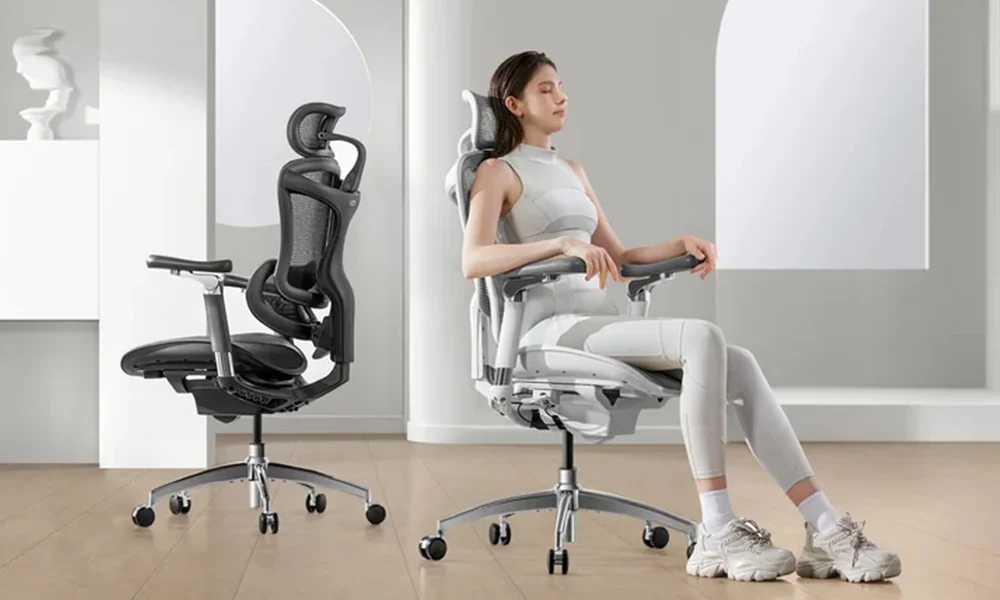
Not all carpets behave the same way, so the ideal chair setup depends on the surface underneath your desk. Choosing the right solution based on carpet thickness prevents unnecessary spending and improves long-term performance.
For low-pile carpets, most standard office chairs can work reasonably well, especially when paired with better-quality wheels. A lightweight chair mat or larger casters can provide enough improvement for comfortable daily use. These carpets usually create less resistance because the wheels do not sink deeply.
Medium-pile carpets often require more support. Larger polyurethane wheels or a medium-duty chair mat can help reduce friction and prevent carpet compression. For thick or plush carpets, a strong protective mat is usually the best choice because small wheels may struggle regardless of their quality. Heavy chairs placed directly on thick carpet are more likely to create permanent marks.
How to Choose the Right Chair Mat for Carpet
A chair mat is one of the most effective ways to improve rolling performance and protect carpet underneath a desk chair. However, choosing the wrong mat can lead to poor results. The thickness and design of the mat should match the type of carpet you have.
For low-pile carpets, thinner mats may provide enough protection and stability. For thicker carpets, stronger mats with more rigidity are required because they need to prevent the chair wheels from sinking. Polycarbonate mats are commonly chosen because they are durable, transparent, and resistant to cracking under regular office chair use.
The size of the mat also matters. A small mat may protect only the area directly under the chair but limit movement around your desk. A larger mat provides more freedom to move while keeping a wider section of carpet protected. Before buying, measure your workspace area and consider how far you normally move your chair during the day.
Common Mistakes People Make With Desk Chairs on Carpet
Many problems happen because users choose solutions without considering their actual workspace conditions. One common mistake is continuing to use small plastic wheels on thick carpet and expecting smooth movement. These wheels are often the main reason a chair feels difficult to control.
Another mistake is buying a chair mat that is too thin for the carpet underneath. A lightweight mat placed on plush carpet may bend, shift, or fail to provide a stable rolling surface. Choosing a mat based only on price instead of carpet thickness can lead to frustration and wasted money.
Some users also ignore chair ergonomics while focusing only on mobility. A chair should not only roll easily but also support proper posture. Correct seat height, lumbar support, and desk positioning are equally important for maintaining comfort during long working sessions.
Budget-Friendly Ways to Improve a Desk Chair on Carpet
Improving a carpet workspace does not always require expensive upgrades. One of the most affordable improvements is replacing old chair wheels with better-quality casters. This small change can create noticeable improvement without replacing the entire chair.
For users who need a temporary solution, flat protective panels or budget-friendly chair mats can provide additional support. While these may not offer the same durability as premium options, they can reduce direct pressure on the carpet and improve chair movement.
Regular maintenance is another simple way to improve performance. Cleaning chair wheels removes dust and debris that can increase friction. Vacuuming the area beneath the desk prevents dirt from becoming trapped in carpet fibers and helps maintain a cleaner workspace.
Creating the Best Workspace With a Desk Chair on Carpet
A comfortable workspace requires balance between mobility, protection, and ergonomics. A good setup begins with selecting the right chair position, ensuring proper sitting posture, and making sure the chair moves easily without damaging the carpet underneath.
Your chair height should allow your feet to rest comfortably on the floor, while your arms should remain relaxed when typing. If your chair requires constant effort to move, it may affect your posture because you may start leaning or twisting unnecessarily to compensate.
For home offices, rented spaces, and shared work areas, removable solutions such as chair mats and upgraded casters are usually the most practical choices. They protect the flooring without making permanent changes. With the right setup, you can enjoy the comfort of carpet while maintaining the mobility of a professional office environment.
Conclusion
Using a desk chair on carpet can work extremely well when the right setup is chosen. The main challenges, such as difficult movement and carpet wear, are usually caused by unsuitable wheels, incorrect protection, or ignoring carpet thickness.
The best solution depends on your situation. Upgraded wheels can improve mobility, while a quality chair mat provides stronger carpet protection. For heavy daily use, combining both options often creates the most comfortable and durable workspace. By understanding your flooring, choosing suitable equipment, and maintaining your setup properly, you can enjoy a smooth, productive, and comfortable office experience without damaging your carpet.
FAQs
Can a desk chair damage carpet?
Yes, a desk chair can damage carpet over time, especially when heavy chairs with small wheels are used repeatedly in the same area. Using suitable wheels or a chair mat can reduce this risk.
What are the best wheels for a desk chair on carpet?
Large polyurethane or rollerblade-style caster wheels are usually best because they distribute weight better and provide smoother movement on carpet surfaces.
Is a chair mat necessary for carpet?
A chair mat is not always required, but it is highly recommended for thick carpets, heavy chairs, and people who use their desk for several hours daily.
Are rollerblade wheels better than normal office chair wheels on carpet?
Yes, rollerblade-style wheels usually perform better because they are wider, smoother, and create less resistance compared with traditional small plastic casters.
How can I make my office chair roll easier on carpet?
You can improve movement by installing better caster wheels, adding a suitable chair mat, cleaning the wheels regularly, and choosing a setup that matches your carpet type.
You May Also Read: EAT8 Gearbox