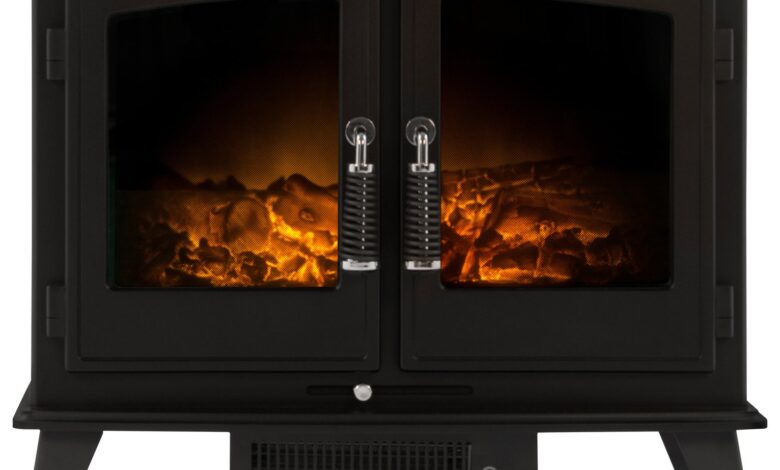
A warm fireplace has always been associated with comfort, but modern homeowners now expect more than just a traditional flame. They want efficient heating, lower fuel waste, attractive design, and a stove that can provide reliable performance during colder months. The search term Argos Wood Burning Stove is often used by buyers looking for information about high-quality wood-burning appliances, especially models connected with the Invicta Argos range and specialist stove retailers. Argos
Before purchasing, it is important to understand exactly what you are buying. Argos is widely recognised as a UK retailer, while many searches around Argos Wood Burning Stove relate to the Invicta Argos cast-iron stove rather than a dedicated Argos-branded heating range. A good buying decision requires looking beyond the name and considering heating capacity, installation requirements, running costs, safety standards, and whether the stove matches your home’s needs.
What Is the Invicta Argos Wood Burning Stove?
The Invicta Argos wood-burning stove is a powerful heating appliance designed for homeowners who want strong heat output combined with traditional stove styling. Unlike open fireplaces that allow much of the heat to escape through the chimney, enclosed wood-burning stoves are designed to control combustion more effectively, helping deliver more usable warmth into the room.
One of the main reasons buyers consider an Argos Wood Burning Stove is the combination of appearance and performance. Cast-iron construction is valued because it can absorb and release heat gradually, creating a more consistent heating experience. The design typically appeals to homeowners who want a classic fireplace appearance while benefiting from modern combustion technology and improved fuel efficiency.
Argos Wood Burning Stove Features and Heating Performance
When choosing any wood-burning appliance, heating performance should be the first consideration. A stove’s output is measured in kilowatts, and selecting the correct output helps prevent problems such as insufficient warmth or excessive overheating. The Invicta Argos model is associated with higher heat output, making it more suitable for larger rooms and open living areas compared with smaller domestic log burners.
A quality Argos Wood Burning Stove should also be evaluated by its combustion system, fuel usage, and heat distribution. Modern stoves are designed to burn wood more efficiently by controlling airflow and improving combustion. This allows users to gain more heat from properly seasoned logs while reducing unnecessary smoke and residue. The result is a more comfortable heating experience with better control over daily operation.
Argos Wood Burning Stove Price and Ownership Costs
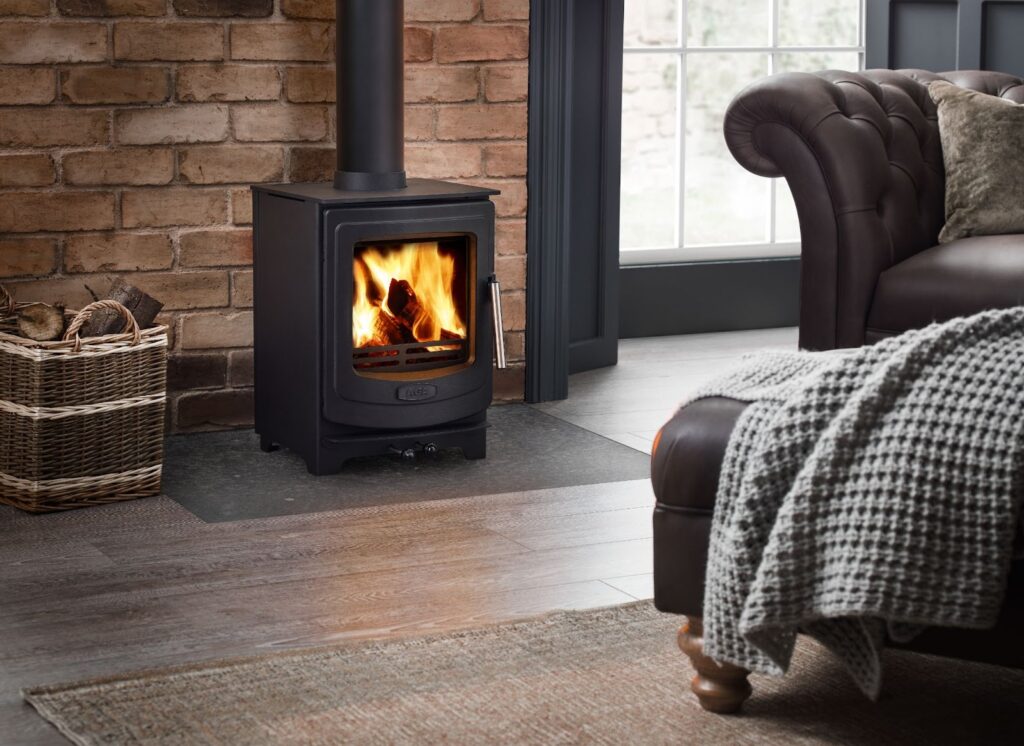
The purchase price of an Argos Wood Burning Stove depends on the specific model, retailer availability, installation requirements, and additional accessories. Premium cast-iron stoves are generally more expensive than basic entry-level models because they use stronger materials and are designed for long-term performance. Buyers should always consider the complete cost rather than looking only at the stove price.
The total investment can include chimney preparation, professional installation, hearth requirements, flue components, maintenance equipment, and fuel storage solutions. Although the initial cost may appear higher, a well-maintained wood-burning stove can provide years of reliable heating. Homeowners should compare efficiency, durability, warranty information, and running expenses before making a final decision.
How to Choose the Right Argos Wood Burning Stove for Your Home
Selecting the correct Argos Wood Burning Stove requires understanding your property’s heating requirements. Room size, insulation level, ceiling height, and existing heating systems all influence the ideal stove capacity. A larger stove is not always better because excessive heat can make a room uncomfortable and increase unnecessary fuel consumption.
Buyers should also consider lifestyle factors before choosing a model. Think about how often the stove will be used, where logs will be stored, how much maintenance you are comfortable performing, and whether the design matches your interior. A stove should not only provide heat but also fit naturally into your daily routine and home environment.
Installation Requirements and Safety Considerations
A professional installation is one of the most important parts of owning an Argos Wood Burning Stove. The stove requires a suitable chimney or flue system, correct ventilation, and a safe hearth area to operate effectively. Poor installation can reduce performance and may create safety risks related to smoke, airflow, or heat protection.
In the UK, wood-burning stove installations must follow relevant building regulations, and many homeowners choose qualified installers to ensure compliance. Before installation, it is important to inspect the chimney condition, check ventilation requirements, and confirm that the chosen stove is suitable for the property. Proper installation improves efficiency and provides greater confidence during long-term use.
Fuel Selection and Energy Efficiency
The efficiency of an Argos Wood Burning Stove depends heavily on the quality of fuel used. Burning wet or unseasoned wood can create more smoke, reduce heat output, and increase deposits inside the chimney. Dry, properly seasoned logs generally provide cleaner combustion and better performance.
Modern wood-burning stoves are designed to make better use of fuel compared with older open fires. Efficient combustion systems help extract more heat from each log while reducing waste. However, responsible operation remains important because fuel quality, airflow control, and regular maintenance all influence the environmental impact and overall performance of the appliance.
Maintenance Tips for Long-Term Performance
Regular maintenance helps protect the performance and lifespan of an Argos Wood Burning Stove. Simple tasks such as removing excess ash, cleaning the viewing glass, checking door seals, and inspecting the flue system can prevent common problems. A stove that receives proper care will usually operate more efficiently and safely over time.
Homeowners should also arrange periodic chimney inspections to identify possible blockages or buildup. Maintenance is not only about keeping the stove looking attractive; it is an essential part of safe operation. Developing a consistent cleaning routine ensures that the stove continues delivering reliable heat throughout the heating season.
Advantages and Disadvantages of Argos Wood Burning Stove
An Argos Wood Burning Stove offers several benefits for homeowners who want a combination of traditional style and modern heating performance. The main advantages include strong heat output, attractive appearance, durable construction, and the ability to create a comfortable atmosphere that many electric heating systems cannot replicate.
However, buyers should also understand the responsibilities involved. Wood-burning stoves require regular cleaning, fuel storage space, and professional installation. They may not be suitable for every home, especially properties without appropriate chimney systems or ventilation options. Understanding both benefits and limitations helps buyers make a realistic decision.
Argos Wood Burning Stove vs Smaller Wood Burners
The right stove depends on the heating requirements of the property. Larger models connected with the Argos Wood Burning Stove search are designed for stronger heat production, while smaller wood burners may be better suited for compact rooms, cottages, or spaces with lower heating demands.
A larger stove can provide impressive warmth but may require more fuel and a bigger installation budget. Smaller models often offer easier maintenance and lower running costs. The best choice depends on room size, insulation, budget, and how frequently the stove will be used rather than simply choosing the most powerful option available.
Is Argos Wood Burning Stove Worth Buying?
For homeowners who want a durable heating appliance with classic styling and strong performance, an Argos Wood Burning Stove can be a worthwhile investment when selected correctly. The key is understanding the difference between the product name people search for and the exact stove model they are considering.
A successful purchase depends on matching the stove to the home, arranging professional installation, using suitable fuel, and maintaining the appliance properly. When these factors are managed correctly, a quality wood-burning stove can provide warmth, comfort, and long-term value.
Conclusion
An Argos Wood Burning Stove remains a popular search among homeowners looking for information about powerful and stylish wood-burning heating solutions. While the keyword can create confusion because of retailer and product naming, buyers can make better decisions by focusing on the actual stove specifications, heating requirements, installation needs, and ownership costs.
A good wood-burning stove is more than a decorative feature; it is a long-term heating investment. By researching carefully, choosing the correct output, using quality fuel, and following safety guidelines, homeowners can enjoy efficient warmth and the traditional comfort of a real fire for many years.
FAQs
Is Argos Wood Burning Stove suitable for large homes?
Yes, higher-output models connected with this search term are generally designed for larger rooms and stronger heating requirements.
Does an Argos Wood Burning Stove require professional installation?
Professional installation is recommended to ensure safety, correct operation, and compliance with regulations.
What wood is best for an Argos Wood Burning Stove?
Dry seasoned hardwood logs are usually preferred because they burn cleaner and provide better heat output.
How much maintenance does a wood-burning stove need?
Regular ash removal, glass cleaning, and chimney inspections help maintain safe and efficient performance.
Is a wood-burning stove cheaper than traditional heating?
Costs depend on fuel prices, usage habits, insulation, and installation expenses, so savings vary between homes.
You May Also Read: Is King Charles a Freemason