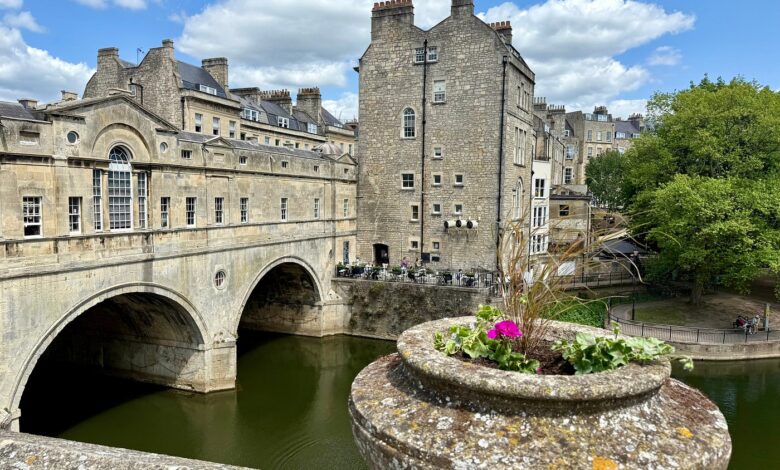
Pulteney Bridge is one of the most recognizable and celebrated landmarks in Bath, England. Known for its unique design and charm, the bridge spans the River Avon and is famous for being one of the few bridges in the world lined with shops on both sides. This architectural marvel is more than just a functional crossing—it is a symbol of Bath’s rich cultural heritage and an enduring testament to 18th-century urban planning. Pulteney Bridge has fascinated historians, architects, tourists, and locals alike for centuries, drawing visitors who want to explore its beauty, history, and unique ambiance.
Built during a period when Bath was establishing itself as a fashionable city for leisure, commerce, and cultural sophistication, Pulteney Bridge played a central role in connecting the city center with the developing district of Bathwick. Its combination of practicality and elegance reflects the priorities of Georgian society: utility, beauty, and social prominence. Unlike typical bridges, which were primarily functional, Pulteney Bridge served as both a thoroughfare and a commercial hub, supporting shops, trade, and social interaction. The presence of these shops not only created economic opportunities but also enhanced the aesthetic and cultural appeal of the structure.
This article explores the fascinating history of Pulteney Bridge, its architectural design, social and cultural significance, and modern-day role as a tourist attraction. From its origins in the 18th century to its current status as a protected heritage site, the bridge tells a story of innovation, artistry, and enduring relevance. Visitors and enthusiasts alike are drawn not only to its visual charm but also to the narrative of Bath’s development, human creativity, and architectural ingenuity embodied in this iconic bridge.
History of Pulteney Bridge
The story of Pulteney Bridge begins in the 18th century when Bath was emerging as a leading destination for leisure and culture. Commissioned by Frances Pulteney, a wealthy heiress, the bridge was intended to connect the city center with her newly acquired estate in Bathwick. Architect Robert Adam, renowned for his neoclassical designs, was originally consulted for the project, though the final design executed by William Edge closely followed Adam’s vision. Construction began in 1769 and was completed by 1774, creating a bridge that was both functional and visually striking.
From its inception, Pulteney Bridge was intended to be more than a simple river crossing. By integrating shops along both sides, it created a bustling commercial space that enhanced Bath’s social and economic life. Historically, the bridge has witnessed numerous events that shaped the city, from floods that tested its resilience to the growth of Bath as a cultural hub in Georgian England. The design reflected the aspirations of its patrons: a blend of elegance, utility, and status, demonstrating how architecture could serve both civic and personal ambitions.
Over the centuries, the bridge has undergone various restorations to preserve its structural integrity and historical character. Despite changes in ownership, urban development pressures, and environmental challenges, Pulteney Bridge has retained much of its original charm. Its survival is a testament to careful preservation and the recognition of its cultural and architectural significance. Today, the bridge stands not only as a functional structure but also as a tangible link to Bath’s past, allowing visitors to experience history firsthand.
Architectural Design and Features
Pulteney Bridge is a masterful example of Palladian architecture, reflecting neoclassical influences that were popular in the 18th century. Its elegant stone arches and symmetrical design create a sense of balance and proportion, while the shops along the sides provide a distinctive character that sets it apart from typical bridges. Constructed primarily from Bath stone, the bridge exudes a warm, honey-colored hue that complements the surrounding Georgian architecture.
One of the bridge’s most striking features is its combination of utility and aesthetic appeal. The three main arches provide structural stability while allowing the river to flow beneath with minimal obstruction. The shops, arranged symmetrically along both sides, not only offer commercial space but also contribute to the bridge’s visual rhythm, creating a unique architectural statement. This design approach was innovative for its time and remains rare globally, with only a few comparable examples, such as the Ponte Vecchio in Florence.
Renovation and preservation efforts over the years have ensured that the bridge retains its original character while adapting to modern needs. Restoration projects have addressed structural issues, repaired stonework, and protected decorative features, allowing the bridge to withstand environmental pressures and heavy foot traffic. Comparisons with other historic bridges highlight its uniqueness: while many bridges of the era prioritized function over form, Pulteney Bridge successfully integrates commerce, aesthetics, and civic utility, making it a model of architectural ingenuity.
Cultural and Social Significance
Pulteney Bridge has long served as more than just a physical crossing; it has been a hub of social, economic, and cultural activity. Historically, the shops attracted merchants and artisans, creating a lively commercial environment that contributed to Bath’s prosperity. The bridge facilitated social interactions, commerce, and cultural exchange, reinforcing its role as a central element of the city’s urban fabric.
In arts and literature, Pulteney Bridge has inspired countless depictions, from paintings capturing its reflection in the River Avon to literary mentions celebrating its elegance. Festivals, events, and public gatherings often incorporate the bridge as a focal point, highlighting its enduring relevance to the community. Photographers and tourists are drawn to its scenic vistas, particularly during sunrise and sunset, when the reflections in the river enhance its visual appeal.
For residents and visitors alike, the bridge serves as a symbol of Bath’s heritage. It embodies the city’s Georgian elegance and its commitment to integrating functionality, aesthetics, and social life. Experiencing the bridge firsthand allows individuals to connect with Bath’s history and appreciate the ways in which architecture can shape communal identity. Its presence continues to enrich the cultural landscape, offering both a practical crossing and a source of inspiration for creative and historical exploration.
Tourism and Visitor Information

Today, Pulteney Bridge is one of Bath’s most visited landmarks, attracting tourists from around the world. Its central location makes it accessible for walking tours, and it serves as a gateway to explore nearby attractions such as the Roman Baths, Bath Abbey, and the scenic River Avon paths. Guided tours provide historical insights, architectural analysis, and anecdotes about the bridge’s construction and social significance.
Visitors can enjoy the unique shops and cafes along the bridge, offering everything from local crafts to souvenirs. The combination of historical charm and commercial activity creates a vibrant atmosphere that mirrors its original intent. Photography enthusiasts often capture the bridge from multiple angles, particularly from the riverbank, to showcase the architectural symmetry and scenic surroundings.
Accessibility is also a priority, with pedestrian-friendly walkways and viewing areas that allow people of all ages to enjoy the landmark. Seasonal events and festivals occasionally utilize the bridge as a venue or backdrop, further enhancing the visitor experience. By combining historical education with leisure and commercial opportunities, Pulteney Bridge remains a dynamic and engaging destination for locals and tourists alike.
Preservation and Future Prospects
Preserving Pulteney Bridge has been a continuous endeavor, balancing the need for structural integrity with respect for historical authenticity. Conservation initiatives focus on protecting stonework, repairing erosion, and mitigating damage from environmental factors such as flooding and air pollution. Local authorities and heritage organizations work collaboratively to ensure the bridge remains safe, functional, and aesthetically faithful to its original design.
Tourism and urban development present ongoing challenges. While foot traffic and commercial activity provide economic benefits, they also increase wear and tear. Efforts to manage visitor impact include regulating shop operations, monitoring structural health, and promoting responsible tourism practices. Future prospects emphasize sustainable maintenance while enhancing the bridge’s accessibility and educational value for visitors.
By safeguarding Pulteney Bridge, Bath ensures that this architectural gem continues to inspire future generations. The bridge’s legacy, encompassing history, design, commerce, and culture, underscores the importance of integrating heritage preservation with modern use. Its enduring presence demonstrates how thoughtful conservation can maintain historical significance while allowing contemporary audiences to engage meaningfully with the past.
Conclusion
Pulteney Bridge stands as a testament to human ingenuity, blending architectural beauty, historical significance, and social utility. From its construction in the 18th century to its current status as a beloved landmark, the bridge has played a central role in Bath’s cultural, economic, and social life. Its unique design, with shops lining both sides, distinguishes it globally and provides visitors with a tangible connection to the city’s heritage.
The bridge’s enduring charm lies not only in its architecture but also in its ability to connect people—historically through commerce and socially through interaction, and today as a vibrant tourist destination. Pulteney Bridge exemplifies the value of integrating functionality, aesthetics, and community engagement, serving as both a practical infrastructure and a symbol of Bath’s identity. Its preservation ensures that future generations can continue to experience and learn from this extraordinary piece of history.
Frequently Asked Questions (FAQs)
When was Pulteney Bridge built?
Pulteney Bridge was constructed between 1769 and 1774.
Who designed Pulteney Bridge?
The design was originally by Robert Adam, with construction overseen by William Edge.
Why is Pulteney Bridge famous?
It is famous for its unique feature of having shops on both sides, blending commerce with architectural beauty.
How many shops are on Pulteney Bridge?
The bridge houses approximately 18 shops along its span.
Can visitors walk across Pulteney Bridge?
Yes, the bridge is pedestrian-friendly and provides a scenic route across the River Avon.
How does Pulteney Bridge compare to Ponte Vecchio?
While both have shops along the sides, Pulteney Bridge is distinguished by its Georgian Palladian style and location in Bath.
What are the nearby attractions to Pulteney Bridge?
Nearby attractions include the Roman Baths, Bath Abbey, River Avon paths, and scenic walking routes throughout the city.
You May Also Read: How Old Is David Attenborough