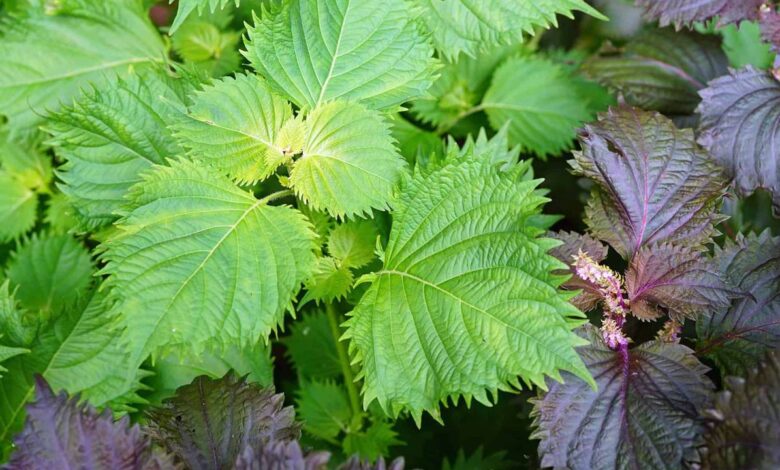
Perilla leaves are an aromatic leafy herb that has been used for centuries in traditional cuisines and natural medicine, particularly across Asia. Known for their unique flavor that blends minty, basil-like, and citrus notes, perilla leaves have recently gained global attention due to their impressive nutritional profile and health benefits. As people become more interested in functional foods and plant-based nutrition, perilla leaves are increasingly being recognized as a versatile and powerful addition to a healthy diet.
Beyond their culinary appeal, perilla leaves are valued for their medicinal properties. They are commonly associated with digestive support, anti-inflammatory effects, and immune health. From traditional herbal teas to modern fusion recipes, perilla’leaves bridge the gap between ancient wisdom and contemporary wellness trends. This article explores everything you need to know about perilla leaves, including their origin, nutritional value, health benefits, culinary uses, and practical tips for growing and storing them.
What Are Perilla Leaves?
Perilla leaves come from a herbaceous plant in the mint family and are widely cultivated in East Asia. They are known by different names in various regions and are available in both green and red varieties. While the green variety is most commonly used for cooking, the red variety is often associated with food coloring and medicinal preparations. The leaves are broad, slightly serrated, and highly aromatic, making them instantly recognizable.
In terms of taste, perilla’leaves offer a complex flavor profile that sets them apart from other herbs. They combine hints of basil, mint, anise, and citrus, which makes them suitable for a wide range of dishes. Their aroma intensifies when crushed or cooked, releasing essential oils that contribute to both flavor and health benefits. This distinctive combination of taste and fragrance is one of the reasons perilla leaves are cherished in traditional and modern kitchens alike.
History and Cultural Significance
The use of perilla leaves dates back hundreds of years, particularly in countries such as Korea, Japan, and China. Historically, these leaves were not only consumed as food but also used in herbal remedies to address respiratory issues, digestive discomfort, and seasonal allergies. Over time, perilla’leaves became deeply embedded in cultural food practices, symbolizing freshness, balance, and natural healing.
In many Asian households, perilla leaves are more than just an ingredient—they are a staple. They are often served raw, pickled, or cooked, and are valued for their ability to enhance both flavor and nutrition. As global interest in Asian cuisine has grown, perilla’leaves have crossed cultural boundaries, finding their way into international markets and fusion cooking. This spread has helped introduce their benefits to a wider audience.
Nutritional Value of Perilla Leaves
Perilla leaves are nutrient-dense despite being low in calories, making them ideal for health-conscious diets. They are rich in vitamins such as vitamin A, vitamin C, and certain B vitamins, all of which play essential roles in maintaining vision, immune health, and energy metabolism. Additionally, they contain important minerals like calcium, iron, and potassium.
One of the standout nutritional features of perilla’leaves is their high antioxidant content. They also contain plant-based omega-3 fatty acids, which are relatively rare in leafy herbs. These nutrients contribute to reducing oxidative stress in the body and supporting heart and brain health. When compared to other culinary herbs, perilla leaves offer a unique combination of flavor and functional nutrition.
Health Benefits of Perilla Leaves
Perilla leaves are widely recognized for their anti-inflammatory and antioxidant properties. These qualities help protect the body from chronic inflammation, which is linked to conditions such as heart disease, diabetes, and joint disorders. Regular consumption of perilla’leaves may support overall wellness by reducing inflammation at the cellular level.
Another major benefit of perilla’leaves is their positive effect on digestion and respiratory health. Traditionally, they have been used to soothe stomach discomfort, reduce bloating, and ease nausea. They are also believed to help alleviate allergy symptoms and support lung function. These benefits make perilla leaves particularly valuable during seasonal changes when the immune system needs extra support.
Perilla Leaves in Traditional and Modern Medicine
In traditional medicine systems, perilla’leaves have long been used as a natural remedy for colds, coughs, and digestive problems. They were often brewed into teas or combined with other herbs to enhance their healing properties. These traditional uses laid the foundation for modern scientific interest in perilla’leaves.
Contemporary research has begun to explore the bioactive compounds found in perilla’leaves, including flavonoids and essential oils. Early studies suggest potential benefits for inflammation management, allergy relief, and metabolic health. While more research is needed, modern science increasingly supports many of the traditional claims associated with this herb.
Culinary Uses of Perilla Leaves
Perilla leaves are incredibly versatile in the kitchen. They are commonly used fresh as wraps, mixed into salads, or added as a garnish to enhance flavor and aroma. Their bold taste pairs especially well with grilled meats, seafood, rice dishes, and fermented foods.
When cooked, perilla’leaves take on a milder, slightly nutty flavor. They can be stir-fried, added to soups, or incorporated into sauces. Their adaptability makes them suitable for both traditional recipes and creative modern dishes. Chefs around the world are increasingly experimenting with perilla’leaves to add depth and complexity to their menus.
How to Cook with Perilla Leaves
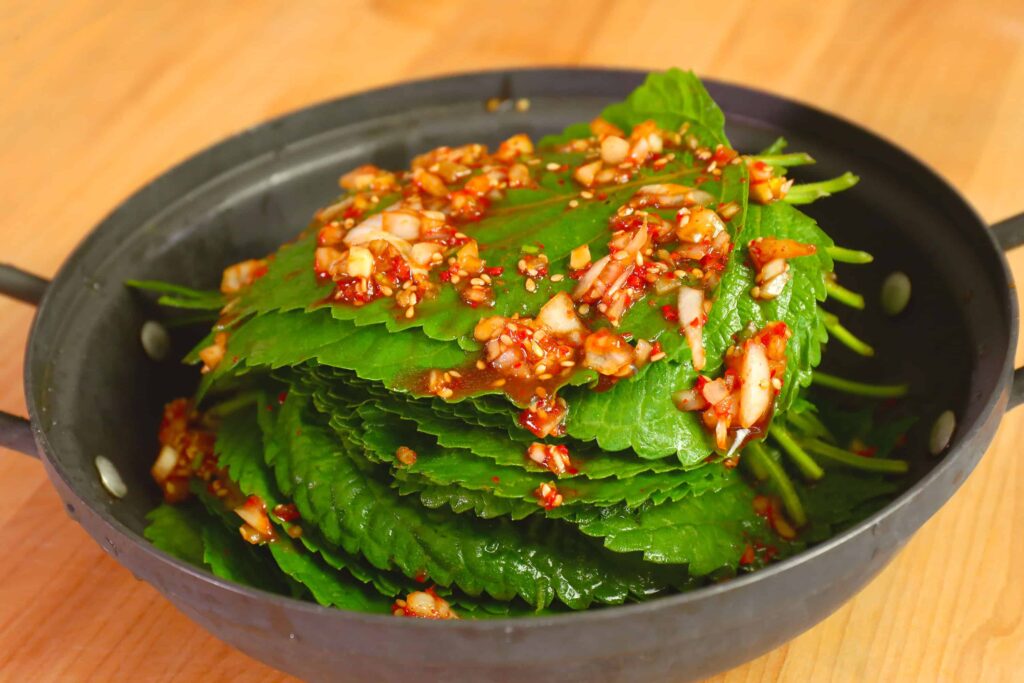
Cooking with perilla leaves requires minimal preparation, but proper handling ensures the best flavor. Fresh leaves should be washed gently and used soon after purchase to preserve their aroma. They can be chopped finely or used whole, depending on the dish.
Popular cooking methods include pan-frying, steaming, and pickling. Each technique brings out different aspects of the leaf’s flavor. For beginners, adding perilla’leaves at the end of cooking helps maintain their fragrance and nutritional value. Avoid overcooking, as excessive heat can reduce both taste and health benefits.
Perilla Leaves Tea and Beverages
Perilla leaf tea is a traditional beverage known for its soothing and warming properties. It is typically made by steeping fresh or dried leaves in hot water, resulting in a fragrant, herbal infusion. This tea is often consumed to support digestion and relieve mild cold symptoms.
The flavor of perilla tea is gentle yet distinctive, making it enjoyable both plain and lightly sweetened. Regular consumption is believed to promote relaxation and immune balance. Proper storage of dried leaves ensures the tea retains its beneficial compounds over time.
How to Grow Perilla Leaves at Home
Growing perilla leaves at home is relatively easy, even for beginners. The plant thrives in well-drained soil with moderate sunlight and regular watering. It grows quickly and can be harvested multiple times throughout the season.
Harvesting young leaves encourages continuous growth and better flavor. With proper care, perilla plants can be a reliable source of fresh leaves for months. Home cultivation also ensures pesticide-free produce and maximum freshness.
Buying, Storing, and Preserving Perilla Leaves
When buying perilla leaves, look for vibrant color and firm texture. Avoid leaves with wilting or dark spots. Fresh leaves should be stored in the refrigerator, wrapped lightly to retain moisture without causing rot.
For long-term use, perilla’leaves can be frozen or dried. Drying concentrates their flavor, while freezing preserves freshness. Proper storage methods help maintain both taste and nutritional value.
Possible Side Effects and Precautions
Perilla leaves are generally safe when consumed in moderate amounts. However, individuals with plant allergies should introduce them slowly. Excessive consumption may cause mild digestive discomfort in sensitive individuals.
Those taking specific medications or with existing health conditions should consult a healthcare professional before using perilla’leaves medicinally. Awareness and moderation ensure safe and beneficial use.
Conclusion
Perilla leaves are a remarkable herb that combines culinary versatility with powerful health benefits. Rich in nutrients, antioxidants, and unique flavor compounds, they have earned their place in both traditional medicine and modern kitchens. Their ability to support digestion, immunity, and overall wellness makes them a valuable addition to a balanced diet.
As global interest in natural and functional foods continues to grow, perilla’leaves stand out as a timeless yet contemporary ingredient. Whether enjoyed fresh, cooked, or brewed into tea, they offer a simple and delicious way to enhance both health and flavor in everyday meals.
Frequently Asked Questions (FAQs)
What do perilla leaves taste like?
They have a complex flavor combining mint, basil, and citrus notes.
Are perilla leaves the same as basil?
No, although similar, they are a distinct herb with different properties.
Can perilla leaves be eaten raw?
Yes, they are commonly eaten raw in wraps and salads.
What are the main health benefits of perilla leaves?
They support digestion, immunity, and inflammation reduction.
How do you store fresh perilla leaves?
Store them in the refrigerator wrapped lightly to retain freshness.
Are perilla leaves safe for daily consumption?
Yes, when eaten in moderate amounts.
How are perilla leaves used in Asian cuisine?
They are used fresh, cooked, pickled, and as wraps or garnishes.
Can perilla leaves help with allergies?
They are traditionally believed to support allergy relief.
You May Also Read: Noah Jupe