A pedicure is more than just a beauty treatment—it is a complete foot care routine that promotes hygiene, relaxation, and overall wellness. In today’s fast-paced world, people often overlook the importance of caring for their feet, despite the fact that they carry us throughout the day. A proper pedicure not only enhances the appearance of your feet but also plays a crucial role in maintaining their health and comfort.
From ancient civilizations to modern luxury salons, pedicure have evolved into a widely practiced self-care ritual. Whether done professionally or at home, the process involves cleaning, exfoliating, moisturizing, and grooming the feet and toenails. As awareness about personal grooming continues to grow, pedicures are no longer limited to women—men are increasingly embracing them as an essential part of hygiene.
This comprehensive guide will walk you through everything you need to know about pedicures, including their benefits, types, step-by-step process, and expert tips. By the end of this article, you’ll have a clear understanding of how to achieve and maintain healthy, beautiful feet.
What Is a Pedicure?
A pedicure is a cosmetic and therapeutic treatment designed specifically for the feet and toenails. It involves trimming and shaping nails, removing dead skin, moisturizing the feet, and often applying nail polish. While many people associate pedicures with beauty, they also provide essential health benefits, such as preventing infections and improving circulation.
Historically, pedicures date back thousands of years to ancient Egypt and China, where foot care symbolized cleanliness and social status. Over time, techniques and tools have evolved, leading to the modern pedicure experience we know today. From basic grooming to luxurious spa treatments, pedicures now cater to a wide range of preferences and needs.
Understanding what a pedicure truly involves helps you appreciate its value beyond aesthetics. It is a blend of hygiene, relaxation, and self-care that contributes to both physical and mental well-being.
Types of Pedicures
There are several types of pedicures available, each designed to meet different needs and preferences. The classic pedicure is the most common and includes basic cleaning, nail trimming, cuticle care, and polish application. It is ideal for maintaining regular foot hygiene and keeping nails neat.
Another popular option is the spa pedicure, which focuses on relaxation and rejuvenation. It typically includes additional steps such as exfoliating scrubs, foot masks, and extended massage sessions. This type of pedicure is perfect for relieving stress and pampering yourself after a long week.
Gel pedicures are known for their long-lasting results, as they use UV light to cure the polish, making it resistant to chipping. Medical pedicures, on the other hand, are performed by trained professionals and focus on treating foot conditions like calluses, corns, or fungal infections. Each type serves a unique purpose, allowing individuals to choose based on their specific requirements.
Benefits of Regular Pedicures
Regular pedicures offer numerous benefits that go far beyond aesthetics. One of the most significant advantages is improved hygiene. Cleaning and exfoliating the feet help remove dirt, bacteria, and dead skin, reducing the risk of infections and unpleasant odors.
Another important benefit is enhanced blood circulation. The massage included in most pedicures stimulates blood flow, which can help reduce pain, swelling, and fatigue in the feet. This is particularly beneficial for individuals who spend long hours standing or walking.
Additionally, pedicures provide a sense of relaxation and stress relief. The soothing process of soaking, massaging, and moisturizing the feet can have a calming effect on the mind and body. Regular sessions also allow for early detection of foot issues, enabling timely treatment and preventing more serious problems.
Step-by-Step Pedicure Process
The pedicure process typically begins with preparation, where all necessary tools and products are gathered. Clean and sanitized equipment is essential to ensure safety and hygiene. This step sets the foundation for a successful and effective treatment.
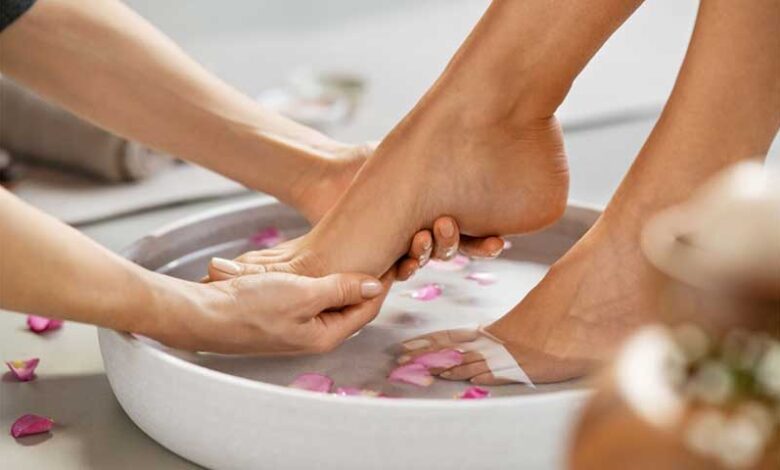
Next comes soaking and cleansing. The feet are immersed in warm water, often infused with salts or essential oils, to soften the skin and relax the muscles. This is followed by exfoliation, where scrubs or pumice stones are used to remove dead skin cells and smooth rough areas.
Nail care is another crucial step, involving trimming, shaping, and cuticle maintenance. Afterward, the feet are moisturized with creams or lotions and gently massaged to improve circulation. The process concludes with polishing, where nail polish or gel is applied for a polished and attractive finish.
Pedicure at Home vs Salon Pedicure
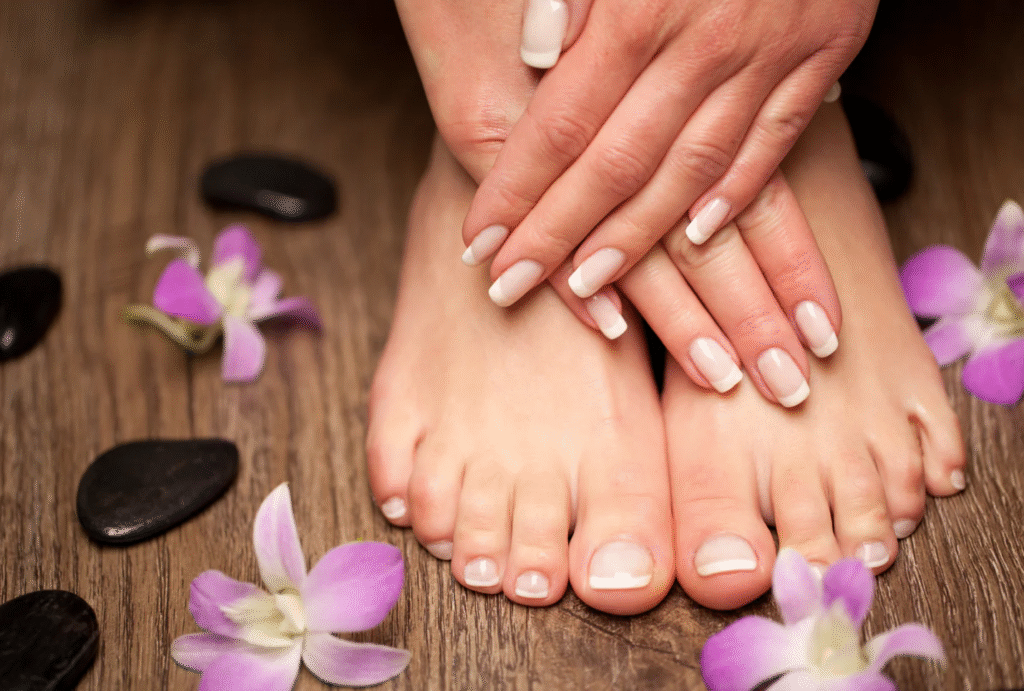
Choosing between a DIY pedicure and a professional salon experience depends on your preferences and lifestyle. Doing a pedicure at home is cost-effective and convenient. With the right tools and techniques, you can achieve satisfactory results without leaving your house.
However, salon pedicures offer a level of expertise and luxury that is hard to replicate at home. Professional technicians are trained to handle various foot conditions and provide high-quality treatments. Salons also use specialized equipment and premium products that enhance the overall experience.
Ultimately, the best option depends on your needs. If you are looking for relaxation and expert care, a salon visit may be ideal. For routine maintenance and budget-friendly solutions, a home pedicure can be a practical choice.
Common Pedicure Mistakes to Avoid
While pedicures are generally safe, certain mistakes can lead to unwanted problems. One common error is cutting nails too short, which can cause ingrown toenails and discomfort. It is important to trim nails straight across and avoid cutting into the corners.
Another mistake is neglecting tool hygiene. Using unclean tools can introduce bacteria and lead to infections. Always ensure that your equipment is properly sanitized before use, whether at home or in a salon.
Over-exfoliating the skin is also a frequent issue. While removing dead skin is important, excessive scrubbing can damage healthy skin and cause irritation. Maintaining a balanced approach is key to achieving optimal results without harming your feet.
Conclusion
A pedicure is an essential aspect of personal care that combines beauty, hygiene, and relaxation. Whether you choose a simple home routine or a luxurious salon treatment, regular pedicures can significantly improve the health and appearance of your feet.
By understanding the different types, benefits, and proper techniques, you can make informed decisions and avoid common mistakes. Investing time in foot care not only enhances your confidence but also contributes to your overall well-being.
Make pedicures a part of your self-care routine, and enjoy the lasting benefits of healthy, well-groomed feet.
FAQs
What is the difference between a pedicure and a manicure?
A pedicure focuses on foot and toenail care, while a manicure is for hands and fingernails.
How long does a pedicure last?
Typically, a pedicure lasts 2 to 4 weeks, depending on the type and maintenance.
Is it safe to get a pedicure every week?
Yes, but it’s generally recommended every 2–3 weeks to avoid over-treatment.
Can I do a professional-quality pedicure at home?
With the right tools and practice, you can achieve near-professional results.
What should I avoid after getting a pedicure?
Avoid tight shoes and water exposure immediately after polish application.
Are pedicures safe for people with diabetes?
Yes, but medical pedicures with professional supervision are recommended.
How much does a pedicure cost?
Costs vary depending on type and location, ranging from basic to luxury pricing.
What are the best products for a DIY pedicure?
Quality nail tools, foot scrubs, moisturizers, and nail polish are essential.
How can I make my pedicure last longer?
Keep feet moisturized and avoid harsh activities that damage polish.
What should I do if I get an infection after a pedicure?
Seek medical advice immediately and avoid further treatments until healed.
You May Also Read: Euro Car Parts