The hognose snake is one of the most fascinating and visually distinctive reptiles found in North America. Belonging to the genus Heterodon, this snake is widely recognized for its unusual defensive behavior, upturned snout, and dramatic personality. Unlike many other snakes that rely on speed or venom, the hognose snake uses a combination of bluffing tactics and theatrical displays to avoid predators. This includes flattening its neck like a cobra, hissing loudly, and even pretending to be dead when threatened. These behaviors make it one of the most entertaining and misunderstood snakes in the reptile world.
In the wild, hognose snake are primarily found in sandy plains, grasslands, forests, and scrubby environments where loose soil allows them to burrow easily. Their specialized snout is designed for digging, helping them search for food and create underground shelters. They are especially common in regions of the United States, including the Midwest and parts of the East Coast, depending on the species. Despite their intimidating behavior, hognose snakes are non-venomous to humans and pose no real danger, making them safe to observe and handle when properly cared for.
Understanding the hognose snake is essential for reptile enthusiasts because its behavior is often misunderstood. Many people mistake its defensive displays for aggression, when in reality, it is simply a survival strategy. Learning about this species helps promote better care in captivity and encourages appreciation for its unique role in natural ecosystems.
Physical Characteristics and Identification
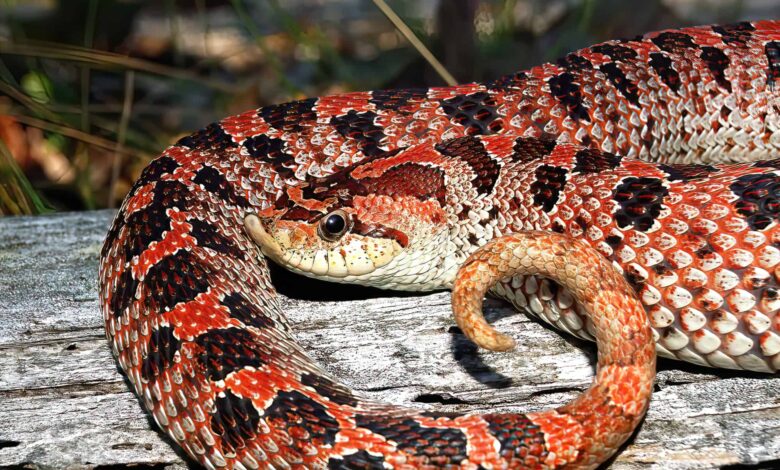
Hognose snakes are medium-sized reptiles with a stocky, slightly thickened body compared to other slender snake species. One of their most defining features is their upturned snout, which resembles a small pig’s nose—hence the name “hognose.” This specialized structure is not just for appearance; it is a functional adaptation that allows them to dig through loose soil and sand in search of prey such as toads and insects.
Their scales are typically keeled, meaning they have a slight ridge along each scale, giving the snake a rougher texture compared to smooth-scaled species. Coloration varies widely depending on species and geographic location. Western hognose snakes, for example, often display patterns of brown, tan, yellow, and black blotches, while other species may show more muted or earthy tones that help them blend into their surroundings. Adults generally range from 1.5 to 3 feet in length, making them relatively small and manageable in captivity.
Sexual dimorphism is present but not always obvious. Females are usually larger and heavier than males, which is common among many snake species. Identifying a hognose snake also involves observing behavior, as their defensive displays are highly characteristic. The combination of physical traits and behavior makes them relatively easy to distinguish from other non-venomous snakes, although misidentification with venomous species occasionally occurs in the wild.
Habitat and Natural Environment
Hognose snakes thrive in environments that offer loose, sandy, or well-drained soil, which supports their burrowing lifestyle. In the wild, they are commonly found in grasslands, prairies, forest edges, and scrublands. These habitats provide both shelter and abundant food sources, particularly amphibians like toads, which make up a significant portion of their diet. Their ability to burrow allows them to escape extreme temperatures and avoid predators, making them highly adaptable reptiles.
Seasonal changes strongly influence their behavior. During warmer months, hognose snakes are active and frequently hunt during the day. However, in colder climates, they enter a state of brumation, similar to hibernation, where their metabolic activity slows down significantly. They retreat underground or into protected burrows until temperatures rise again. This seasonal rhythm is essential for their survival and reproduction cycles.
In captivity, replicating their natural environment is crucial for their well-being. A proper enclosure should include a deep layer of burrowing substrate such as aspen shavings or coconut fiber. This allows them to exhibit natural digging behavior, which reduces stress and promotes physical health. Without appropriate environmental enrichment, hognose snakes can become stressed or refuse food, highlighting the importance of habitat design.
Diet and Feeding Behavior
Hognose snakes have a specialized diet in the wild that primarily consists of amphibians, especially toads. Over time, they have evolved resistance to the toxins produced by many toad species, allowing them to consume prey that other predators avoid. This unique adaptation gives them a competitive advantage in their natural environment. In addition to amphibians, they may occasionally eat small reptiles or rodents depending on availability.
Feeding hognose snakes in captivity can sometimes be challenging due to their picky eating habits. Unlike many other pet snakes, they may refuse food if they are stressed, uncomfortable, or not in the right environmental conditions. Most captive hognose snakes are fed frozen-thawed rodents, but some individuals may require scenting techniques to transition them from amphibian-based diets. Consistency, patience, and proper enclosure conditions are key to successful feeding.
Juveniles typically require feeding once every 5 to 7 days, while adults can be fed every 7 to 10 days depending on their size and metabolism. Prey size should always be appropriate, usually no larger than the widest part of the snake’s body. Overfeeding should be avoided as it can lead to obesity and health complications. Proper feeding routines are essential for maintaining long-term health and stability in captive hognose snakes.
Behavior and Defensive Mechanisms

One of the most remarkable aspects of hognose snakes is their dramatic defensive behavior. When threatened, they may first attempt to bluff predators by flattening their necks, hissing loudly, and performing mock strikes. These actions are intended to intimidate rather than harm, as hognose snakes are non-venomous and pose no real threat to humans.
If these initial displays fail, the snake may escalate its behavior by rolling onto its back and playing dead. This phenomenon, known as thanatosis, is one of the most famous behaviors in the reptile world. The snake may even emit a foul-smelling musk and remain motionless with its mouth open and tongue hanging out to complete the illusion. This dramatic act is highly effective against predators that prefer live prey.
In captivity, hognose snakes are generally calm once they become accustomed to handling. However, they may still exhibit defensive behaviors if startled or stressed. Regular, gentle interaction helps them become more comfortable with human presence. Understanding these behaviors is important for owners, as it prevents misinterpretation of defensive displays as aggression.
Conclusion
Hognose snakes are truly one of nature’s most unique reptiles, combining unusual physical features with highly theatrical defensive behaviors. Their upturned snout, burrowing lifestyle, and dramatic “playing dead” performance make them both fascinating and entertaining to observe. Despite their intimidating displays, they are harmless to humans and relatively easy to care for when their needs are properly understood.
For reptile enthusiasts, hognose snakes offer a rewarding experience due to their personality, manageable size, and interesting behaviors. With proper habitat setup, consistent feeding routines, and patient handling, they can thrive in captivity and live healthy, long lives. Understanding their natural instincts is the key to responsible ownership and appreciation of this remarkable species.
FAQs
Are hognose snakes dangerous to humans?
No, hognose snakes are completely non-venomous and harmless to people.
Why do hognose snakes play dead?
They use thanatosis as a defense mechanism to confuse and avoid predators.
What do hognose snakes eat?
They mainly eat amphibians like toads, but in captivity they are often fed rodents.
Are hognose snakes good pets?
Yes, they are popular pets due to their unique behavior and manageable size.
Do hognose snakes bite?
They rarely bite, and even if they do, it is not dangerous.
How big do hognose snakes get?
Most species grow between 1.5 to 3 feet in length.
You May Also Read: Corn Snake