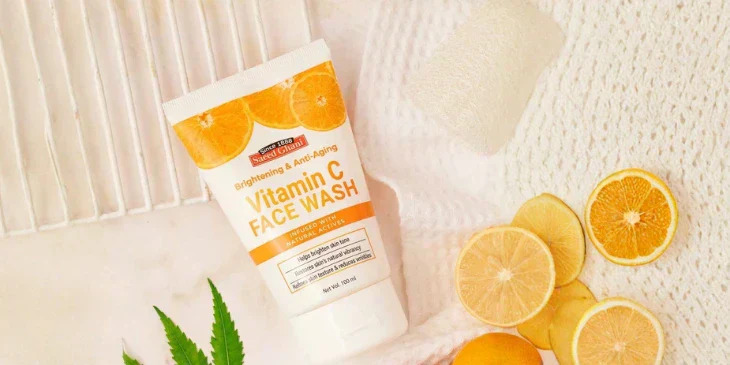
Wearing sunscreen daily is one of the best things you can do for your skin. But if you think adding sunscreen or SPF increases breakouts and oiliness, this one essential skincare step can get very frustrating.
Sunscreen alone might not always be responsible for your breakout; it can be improper cleansing or an incompatible sunblock. If your sunscreen is causing pimples, it actually indicates buildup that is not being properly removed and may contribute to pimple formation, which is why you need a proper routine and a sunscreen for oily skin that does not further irritate your skin.
Sunscreen May Trap Oil and Other Impurities
Sunscreen forms a protective layer on your skin. This barrier helps block harmful UV rays, but it can also hold onto sweat, oil, and dirt. If this layer isn’t properly cleansed at the end of the day, it can mix with impurities and clog pores.
When pores become blocked, small bumps and acne can appear. This is why cleansing is just as important as applying SPF. A gentle but effective cleanser helps remove sunscreen residue without irritating your skin.
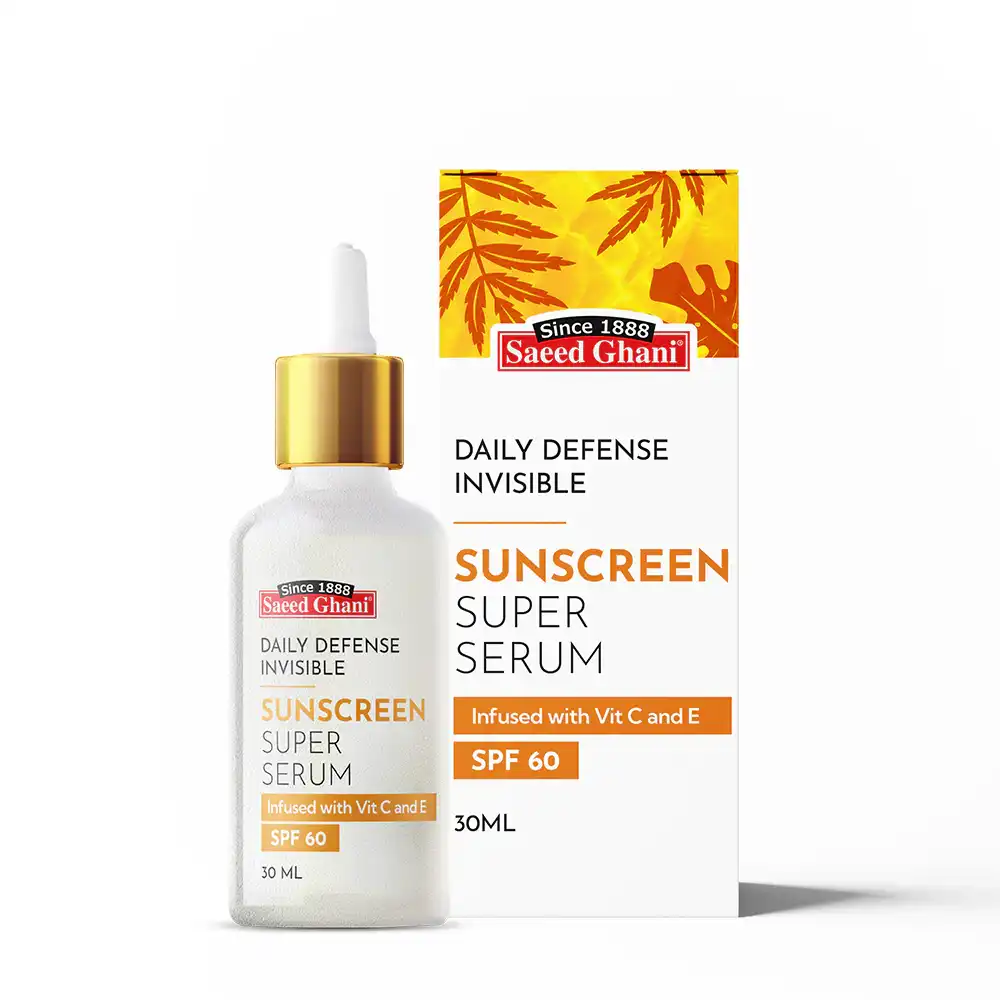
Why Wrong Face Wash Makes Things Worse
Using a cleanser that’s too mild may not remove sunscreen completely. On the other hand, harsh face washes can strip natural oils and cause your skin to produce even more oil to compensate. Both situations increase the chances of breakouts.
A balanced cleansing routine helps keep pores clear. Look for a gentle daily cleanser that removes buildup while maintaining hydration. This prevents the cycle of dryness and excess oil that often leads to acne.
Layering Products Without Proper Cleansing
Many skincare routines include moisturizer, sunscreen, and makeup. These layers can accumulate throughout the day. If your face wash for oily skin doesn’t thoroughly clean the skin, residue stays behind and blocks pores.
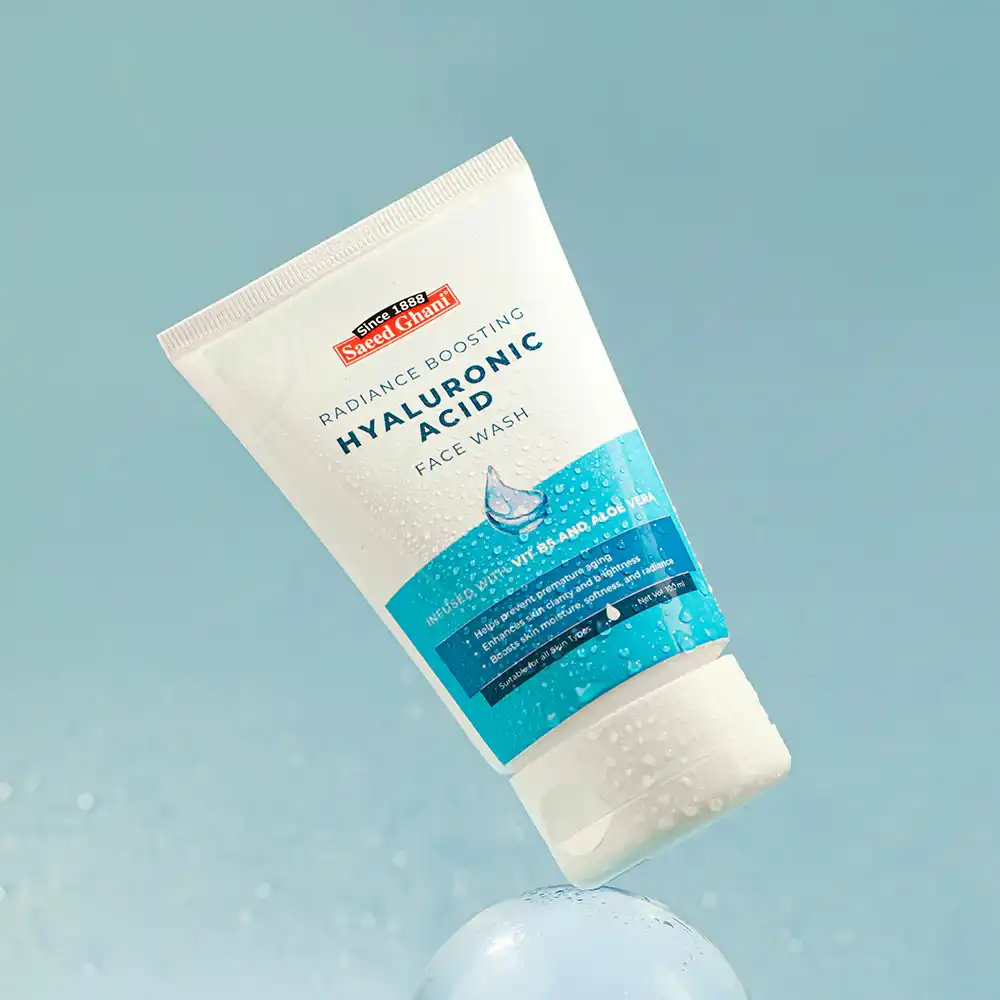
Double cleansing at night can help. Start with a gentle cleanser to break down sunscreen and follow with a mild face wash to remove remaining impurities. This approach reduces congestion and supports clearer skin.
Heavy Sunscreen Formulas Can Contribute to Breakouts
Some sunscreens have thick textures that may feel greasy, especially in humid climates. These formulas can sit heavily on the skin and increase oil buildup. Lightweight, non-greasy options are often better suited for acne-prone skin.
Choosing breathable textures allows your skin to stay protected without feeling clogged. This simple switch can make a noticeable difference.
Skipping Moisturizer Can Also Cause Pimples
It may seem counterintuitive, but avoiding moisturizer can worsen breakouts. When skin becomes dehydrated, it produces more oil. This excess oil mixes with sunscreen residue and leads to clogged pores.
Using a lightweight moisturizer before sunscreen helps maintain balance. Hydrated skin is less likely to overproduce oil.
Signs Your Routine Needs Adjustment
Your sunscreen and cleanser combination may be causing issues if you notice:
- Small bumps appear after sunscreen use
- Oiliness increases during the day
- Pimples around the forehead or cheeks
- Skin feels congested at night
- Breakouts despite consistent skincare
These signs suggest buildup isn’t being properly removed.
Tips to Prevent Breakouts While Using Sunscreen
You don’t need to stop wearing SPF. Instead, adjust your routine:
- Use a gentle cleanser morning and night
- Double cleanse in the evening
- Choose lightweight sunscreen textures
- Avoid overly harsh scrubs
- Keep skin hydrated with a mild moisturizer
These steps help maintain clear pores while protecting your skin.
Consistency Matters
Switching products frequently can also irritate your skin. Give your routine time to work. Consistent cleansing and balanced hydration often reduce breakouts over time.
If you’re dealing with sunscreen causing pimples, remember that the solution usually lies in improving your cleansing routine rather than skipping sun protection.
Final Thoughts
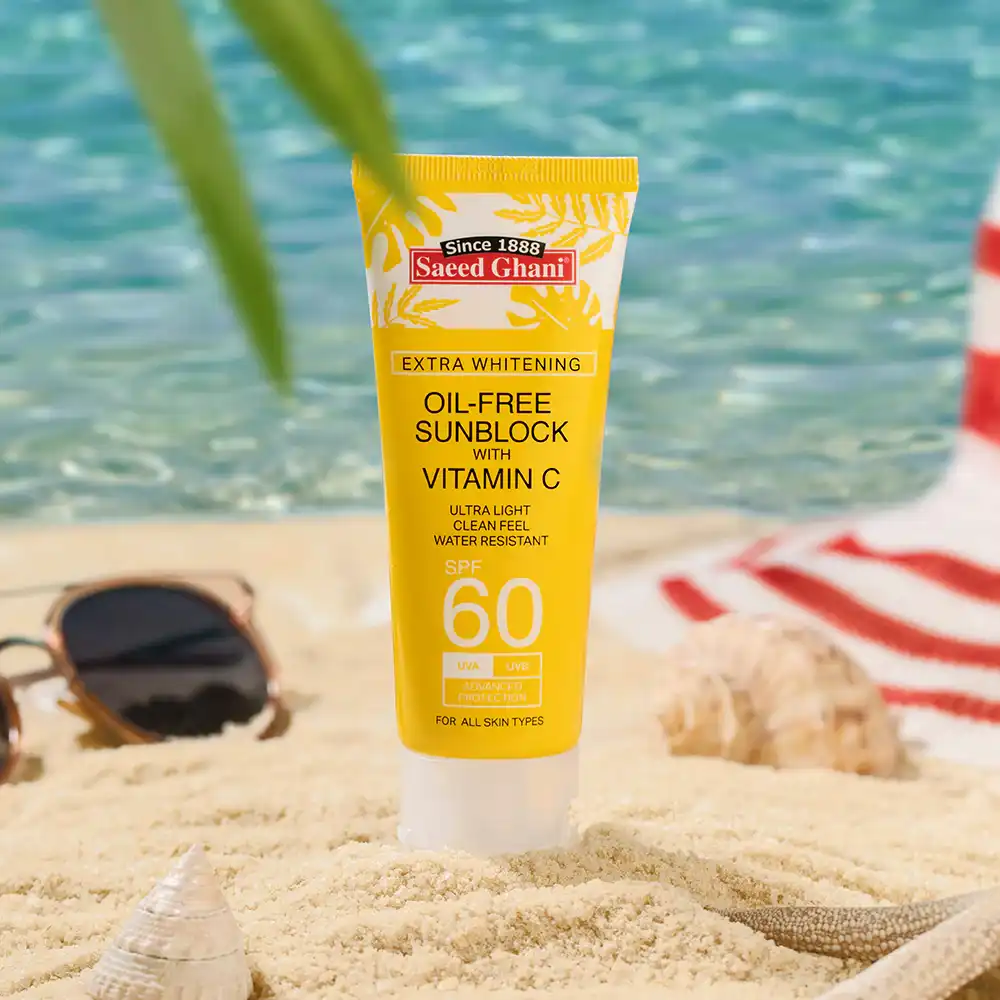
Getting pimples while wearing sunscreen doesn’t mean you should stop using it. The real issue is often the combination of sunscreen buildup and an ineffective face wash. By choosing a gentle cleanser, maintaining hydration, and using oil free sunblock or sunscreen, you can protect your skin without increasing breakouts. With the right balance, your skin can stay clear, comfortable, and protected every day.