Grout is an essential component in tile installation that often goes unnoticed until it requires cleaning or repair. Functionally, grout is a dense material used to fill the spaces between tiles, providing structural stability and preventing movement. Unlike adhesive, which secures tiles to a surface, grout fills gaps, creating a finished look and helping to protect the underlying surface from moisture, dirt, and debris. Its role in tile installations is both practical and aesthetic, making it a crucial part of maintaining long-lasting, attractive tiled surfaces.
Beyond functionality, grout contributes significantly to the visual appeal of tiled spaces. The color, texture, and width of grout lines can dramatically influence the overall appearance of walls, floors, and backsplashes. For instance, contrasting grout can make tiles stand out, while matching grout creates a seamless and elegant look. Additionally, well-installed grout prevents water penetration in moisture-prone areas like bathrooms and kitchens, safeguarding against mold and tile damage.
Grout’s versatility makes it suitable for various applications—from kitchen backsplashes to bathroom floors and even outdoor patios. The right type of grout ensures durability, longevity, and ease of maintenance, while poor-quality or improperly installed grout can lead to cracking, discoloration, or water damage. Understanding grout’s purpose, types, and proper care is essential for homeowners, DIY enthusiasts, and professional contractors alike, ensuring both functional and aesthetic benefits are achieved in any tiling project.
Types of Grout and Their Uses
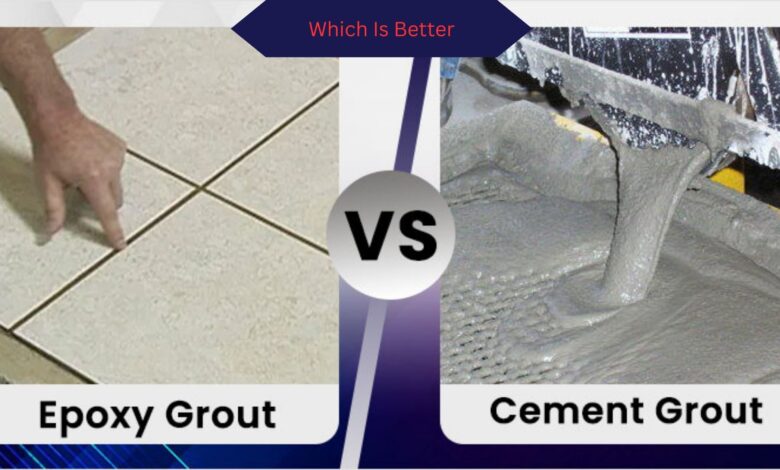
Grout comes in several types, each designed for specific applications and performance requirements. Cement-based grout is the most common, appreciated for its affordability and versatility. It’s suitable for indoor walls and floors, offering adequate durability and a range of color options. However, cement grout can be porous and prone to staining, so sealing is recommended to extend its lifespan.
Epoxy grout, in contrast, provides superior durability and resistance to moisture, stains, and chemicals. It is ideal for bathrooms, kitchens, and high-traffic areas where exposure to water and dirt is frequent. Epoxy grout is more challenging to work with, requiring careful mixing and application, but its long-lasting performance often outweighs the extra effort. It is particularly valuable for areas where hygiene is crucial, as it resists mold and mildew growth.
Premixed or urethane grout offers convenience, especially for DIY projects. It is easy to apply, doesn’t require mixing, and sets relatively quickly. However, it may not be as strong as epoxy or cement-based grout, making it better suited for low-traffic or decorative areas rather than heavy-use floors. Additionally, grout color, texture, and additives play an important role in both performance and aesthetics, allowing homeowners to tailor the material to match tiles, personal style, and environmental conditions.
Choosing the right grout involves balancing durability, location, and visual effect. For example, wide grout lines may require epoxy for added strength, while narrow joints between delicate tiles may benefit from cement or premixed options. Understanding the strengths and limitations of each type ensures a high-quality, long-lasting tile installation.
How to Apply and Install Grout
Proper grout installation is key to achieving a professional finish and maintaining tile integrity. Essential tools include a rubber float, bucket, sponge, and measuring equipment. Preparation starts with ensuring that tiles are correctly aligned, joints are clean, and adhesive is fully cured. Inadequate preparation can lead to uneven application, air pockets, or future cracking.
Grout should be applied using a rubber float, pressing it into the joints at a 45-degree angle to ensure complete filling. Excess grout should be removed promptly with the float, and the surface cleaned with a damp sponge. It is crucial to avoid washing away grout from joints while cleaning the surface. Several passes may be necessary to achieve smooth, consistent lines, particularly for larger areas or intricate tile patterns.
Common mistakes include uneven grout lines, inadequate filling, or failing to seal cement-based grout. To prevent these issues, work in small sections, maintain consistent pressure, and frequently clean tools. Corners and edges often require extra attention, as grout tends to accumulate or leave gaps in these areas. Proper curing time is essential before walking on or exposing the tiles to moisture, ensuring durability and minimizing the risk of cracking.
Professional installers often recommend testing grout color in a small area before full application. This helps visualize the finished look and allows adjustments in shade or consistency. Whether DIY or professional, following these techniques ensures a high-quality installation that balances functionality, aesthetics, and longevity.
Cleaning, Maintenance, and Repair of Grout
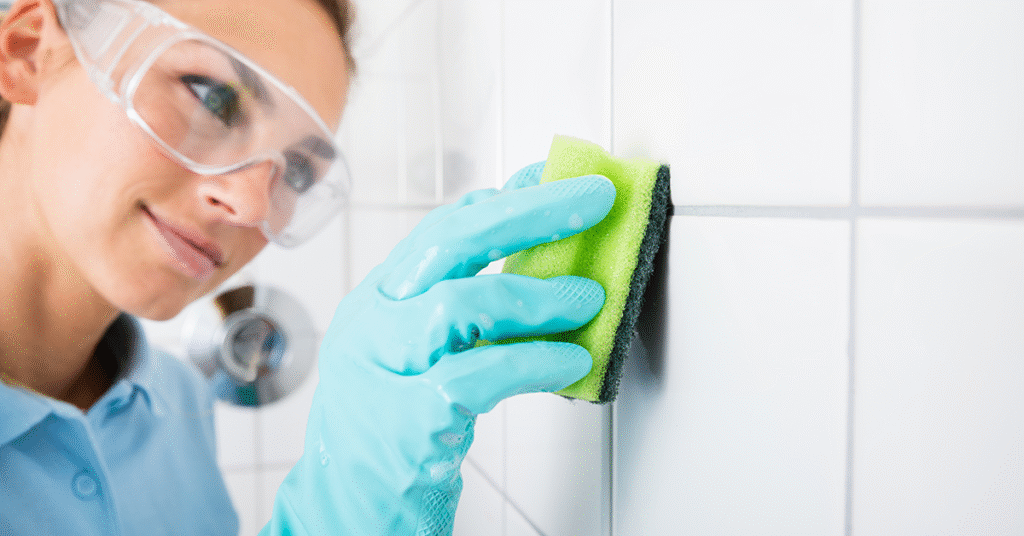
Grout requires regular care to maintain its appearance and functionality. Everyday cleaning with mild soap and water prevents dirt accumulation, while stiff-bristled brushes can help remove surface grime. Avoid harsh chemicals on delicate grout, as they can cause discoloration or damage. For deep cleaning, specialized grout cleaners or a mixture of baking soda and vinegar can effectively restore whiteness and remove mold.
Sealing is essential for cement-based grout, providing a protective barrier against moisture, stains, and mold. Sealers should be applied after the grout fully cures, typically within a week of installation, and reapplied periodically according to manufacturer instructions. Epoxy grout generally does not require sealing, as its non-porous composition resists water and staining naturally.
Repairing damaged grout involves removing cracked or loose sections and reapplying fresh grout. Small cracks can often be filled with premixed grout or grout repair pens, while larger areas may require grinding out the damaged portion and regrouting entirely. Prompt repair prevents water infiltration, tile loosening, and mold growth. Preventive maintenance, including timely cleaning and sealing, ensures grout remains durable and attractive for years.
Grout longevity depends on proper installation, quality materials, and consistent care. By following maintenance guidelines and addressing damage early, homeowners can enjoy the aesthetic and functional benefits of grout for decades.
Grout in Design and Aesthetics
Grout is more than a functional filler; it is a powerful design element. The choice of grout color can dramatically alter the appearance of a tiled surface. Light-colored grout makes spaces feel larger and cleaner, while dark grout creates contrast and highlights tile patterns. Matching grout creates a seamless, sophisticated look, often used in modern or minimalist interiors.
Creative applications include colored grout for patterned tiles, using multiple shades to enhance geometric designs, or contrasting grout to emphasize texture and layout. Decorative techniques, such as sanded versus unsanded grout, also contribute to visual appeal while accommodating different joint widths. For backsplashes, accent walls, or artistic floors, grout becomes part of the overall design narrative, complementing materials and finishes.
In commercial or residential spaces, designers leverage grout color and texture to unify tiles with room decor, adding depth and dimension. The ability to combine functionality with aesthetic potential makes grout a versatile tool in interior design. Properly chosen and maintained grout not only protects tiles but also elevates the visual impact of a space, enhancing both form and function.
Conclusion
Grout is a critical yet often underestimated element in tile installations. From cement-based options to epoxy and premixed varieties, selecting the right type ensures durability, water resistance, and long-lasting performance. Proper application techniques, regular cleaning, and timely repairs maintain both functionality and aesthetic appeal. Additionally, grout color, texture, and design applications allow homeowners and designers to enhance spaces creatively.
Understanding grout’s importance, types, and maintenance practices allows for informed decisions in home improvement or professional projects. Whether for bathroom walls, kitchen backsplashes, or decorative flooring, grout provides both structural support and visual enhancement. With proper care, grout ensures that tiled surfaces remain beautiful, functional, and durable for years to come.
FAQs
What is grout, and why is it important for tiles?
Grout fills the spaces between tiles, providing stability, protection from moisture, and a finished look.
What are the main types of grout, and when should each be used?
Cement-based for general use, epoxy for waterproof and high-traffic areas, and premixed or urethane for convenience.
How do I choose the right grout color for my tiles?
Consider tile color, joint width, and desired visual effect—contrasting for emphasis, matching for seamlessness.
Can I apply grout myself, or should I hire a professional?
DIY is possible with proper tools and preparation, but professionals ensure consistent, high-quality results.
How often should grout be sealed?
Cement-based grout should be sealed after curing and periodically, typically every 1–2 years.
What is the best way to clean grout without damaging tiles?
Use mild soap, water, or specialized cleaners; avoid harsh chemicals on delicate tiles.
How do I repair cracked or damaged grout?
Remove damaged sections and reapply fresh grout or use repair pens for minor cracks.
Can grout prevent mold and moisture damage?
Yes, proper installation and sealing protect against water infiltration and mold growth.
Are there eco-friendly or low-VOC grout options available?
Yes, some manufacturers offer environmentally friendly grout with low volatile organic compounds.
How long does grout typically last before needing replacement?
With proper care and maintenance, grout can last 10–20 years, depending on use and type.
You May Also Read: Poncho