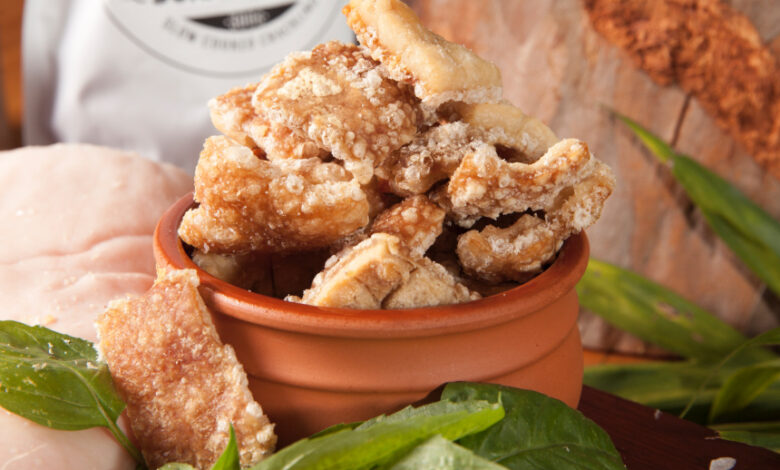
Pork scratchings are a timeless snack that has captured the hearts of food enthusiasts for generations. Also known as pork rinds or crackling, these savory treats are made from fried or roasted pork skin, often seasoned with salt or spices for that irresistible crunch. What makes pork scratchings unique is their distinct texture—a combination of crispiness and lightness that makes them highly addictive. Unlike chips or other processed snacks, pork scratchings offer a satisfying bite and a rich, meaty flavor that keeps people coming back for more.
Beyond their texture and taste, pork scratchings have a rich history and cultural significance. They are especially popular in pubs and bars across the United Kingdom, often enjoyed with a pint of beer, but their appeal extends far beyond traditional settings. These snacks have become a symbol of comfort and indulgence, making them a favorite for casual gatherings, parties, and even gourmet culinary experiments. Their versatility also allows them to be incorporated into modern recipes, from topping salads to adding crunch to creative dishes.
The rise in interest in low-carb and high-protein diets has further elevated the status of pork scratchings. Unlike many conventional snacks, they are naturally gluten-free and can fit into ketogenic or paleo diets, offering a guilt-free crunch for snack lovers who are mindful of their nutrition. This combination of taste, texture, and adaptability explains why pork scratchings continue to thrive as a beloved snack option in contemporary cuisine.
History and Tradition of Pork Scratchings
Pork scratchings have a long-standing tradition in European culinary history, particularly in Britain. Originally, these snacks were a practical way to use every part of the pig, minimizing waste and providing a protein-rich treat for rural households. Traditional preparation involved slowly rendering pork fat, frying the skin, and seasoning it simply with salt. This method produced a crunchy, flavorful snack that could be enjoyed fresh or stored for later consumption.
As time progressed, pork scratchings evolved from a humble homemade snack to a commercially popular treat. In the 19th and 20th centuries, pubs across Britain began serving them as a staple accompaniment to beer, cementing their place in social and culinary culture. Over the decades, production techniques became more sophisticated, allowing for consistent crunchiness and a variety of flavors. Specialty and artisanal brands now offer gourmet versions with unique seasoning blends, including barbecue, chili, and even smoky paprika.
Regional variations also add to the charm of pork scratchings. While British scratchings are known for their coarse, crunchy texture, other parts of the world—such as the southern United States—feature pork rinds that are lighter and airier. These differences reflect local tastes, culinary traditions, and cooking methods, allowing pork scratchings to cater to a broad audience. Their evolution highlights not only the adaptability of this snack but also its enduring popularity across cultures.
How Pork Scratchings Are Made
Making pork scratchings requires attention to detail to achieve the perfect crunch and flavor. The process begins with high-quality pork skin, which is cleaned, trimmed, and sometimes boiled to remove excess fat. This preparation ensures that the skin will fry evenly without excessive oil splattering. After initial preparation, the skin is slowly rendered in hot fat or deep-fried until it puffs up and becomes crispy. The final step involves seasoning—commonly with salt, but variations can include paprika, black pepper, or specialty spice blends.
Modern commercial production techniques have streamlined this process while maintaining flavor and texture. Factories often use continuous fryers and controlled temperature settings to produce uniform scratchings on a large scale. Vacuum frying or air frying is sometimes used in premium or health-conscious products to reduce fat content while retaining crunch. This level of precision ensures that consumers receive consistent, high-quality pork scratchings with every bite.
Homemade pork scratchings have also gained popularity, as cooking enthusiasts experiment with oven-baked or pan-fried methods to achieve gourmet results. Tips for home preparation include patting the skin dry, cutting it into uniform sizes, and using high-smoke-point oils to prevent burning. By controlling temperature and timing, even amateur cooks can produce scratchings that rival commercially available products. Whether made at home or purchased, the goal remains the same: a satisfying crunch, rich flavor, and an irresistible snack experience.
Nutritional Information and Health Considerations
Pork scratchings are often celebrated for their high protein and low carbohydrate content, making them a popular choice among those following low-carb or ketogenic diets. On average, a 30-gram serving of pork’scratchings contains around 150 calories, 9 grams of protein, and minimal carbohydrates. The fat content can be high, but much of it is monounsaturated, which can be a healthier option compared to trans fats in processed snacks.
However, moderation is key. Pork scratchings are naturally high in sodium, which can impact heart health if consumed excessively. Additionally, overindulgence can lead to weight gain due to their calorie density. For individuals with hypertension or specific dietary restrictions, monitoring portion sizes is essential. Pairing scratchings with fresh vegetables or salads can help balance nutrition while still enjoying the snack.
Their low-carb profile makes pork scratchings ideal for keto and paleo diets, offering a crunchy alternative to chips or crackers without the sugar spike. Furthermore, because they are gluten-free by nature, they are accessible to individuals with celiac disease or gluten intolerance. Despite these benefits, it is important to remember that portion control and mindful consumption are crucial to maintaining a healthy diet while enjoying pork scratchings.
Serving Ideas and Pairings
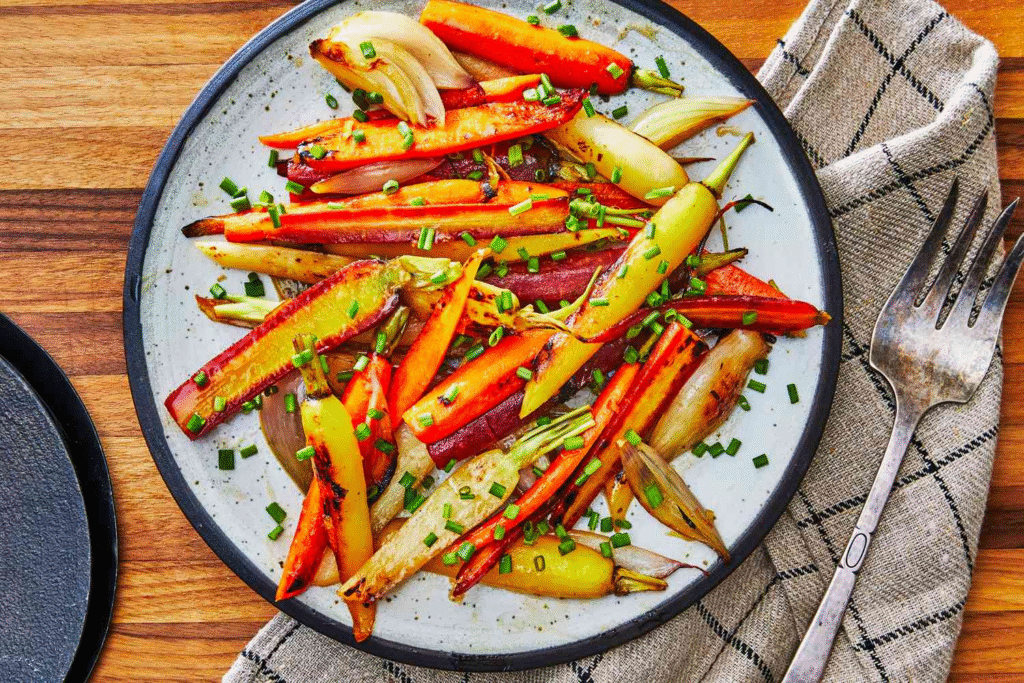
Pork scratchings are versatile and can be enjoyed in many ways. Traditionally, they are served as a pub snack alongside a cold beer, their saltiness complementing the beverage perfectly. They also make a crunchy addition to snack platters, paired with cheeses, dips, or olives. Creative chefs have started incorporating scratchings into modern dishes, such as crushing them to create a crispy topping for salads, casseroles, or even macaroni and cheese.
Pairing pork scratchings with beverages can enhance the overall experience. A stout or ale complements the rich, salty flavor, while white wine or sparkling beverages can provide a contrast that balances the taste. Non-alcoholic pairings, such as craft sodas or iced teas, can also work well, making them suitable for a variety of social occasions. Presentation matters too; serving scratchings in small bowls or rustic wooden trays elevates the snacking experience.
Home cooks can experiment with seasoning variations, combining traditional salt with paprika, chili, garlic powder, or smoked flavors. This customization allows pork scratchings to fit a wide range of taste preferences and occasions, from casual movie nights to upscale cocktail parties. The key is to balance flavor, crunch, and presentation for maximum enjoyment.
Buying Guide and Best Brands
When purchasing pork scratchings, quality and freshness are crucial. Look for products made with minimal additives, high-quality pork skin, and natural seasoning. Reading ingredient labels helps identify products that maintain traditional preparation methods while avoiding artificial preservatives. Popular brands like Mr. Porky, Southern Recipe, and The Pork Scratchings Company offer a variety of flavors and textures to suit different preferences.
Comparing brands and flavors allows consumers to select scratchings tailored to their taste. Coarse, crunchy scratchings are ideal for traditionalists, while lighter, puffed varieties appeal to those seeking a delicate crunch. Price can vary based on brand reputation, packaging, and specialty flavors. Proper storage—airtight containers kept in a cool, dry place—ensures the scratchings remain crisp for longer periods.
Artisanal and locally produced scratchings are increasingly popular, offering unique flavor profiles and higher-quality ingredients. Supporting these brands allows consumers to experience creative interpretations of this classic snack while often enjoying fresher, more authentic products. Whether shopping in-store or online, understanding quality indicators ensures a satisfying snacking experience.
Conclusion
Pork scratchings are more than just a snack; they are a culinary tradition, a flavorful indulgence, and a versatile ingredient in modern cooking. Their irresistible crunch, rich flavor, and adaptability make them a favorite for casual snacking, social gatherings, and gourmet experimentation. By understanding their history, preparation methods, nutritional profile, and proper pairing, consumers can enjoy pork scratchings responsibly and creatively.
From homemade recipes to artisanal brands, the appeal of pork scratchings lies in their balance of flavor, texture, and satisfaction. With mindful consumption and a little creativity in serving and seasoning, pork scratchings can be enjoyed as part of a varied, balanced diet. Whether for personal enjoyment, entertaining friends, or experimenting in the kitchen, pork scratchings remain a beloved and enduring snack for generations.
FAQs
What are pork scratchings made of?
Pork scratchings are made from fried or roasted pork skin, often seasoned with salt or spices.
Are pork scratchings healthy to eat?
They are high in protein and low in carbs but also high in fat and sodium, so moderation is key.
How can I make pork scratchings crispy at home?
Ensure pork skin is dry, cut evenly, and fried at the correct temperature; seasoning adds flavor.
What drinks pair best with pork scratchings?
Beer, ale, white wine, sparkling beverages, or craft sodas complement the salty crunch.
Are pork scratchings suitable for low-carb or keto diets?
Yes, their low-carb, high-protein profile makes them ideal for ketogenic and paleo diets.
How long do pork scratchings last if stored properly?
Stored in airtight containers in a cool, dry place, they can remain crisp for several weeks.
What are the best brands for pork scratchings?
Popular brands include Mr. Porky, Southern Recipe, and The Pork Scratchings Company.
Can pork scratchings be included in recipes or meals?
Yes, they can be crushed for toppings, added to salads, or used creatively in modern dishes.
Why are some pork scratchings softer than others?
Texture depends on cooking methods and thickness of the pork skin.
Are there alternatives for vegetarians who want a similar snack?
Vegetarian alternatives include crispy fried chickpeas, tofu skin chips, or plant-based “pork rinds.”
You May Also Read: Fourchette Piercing