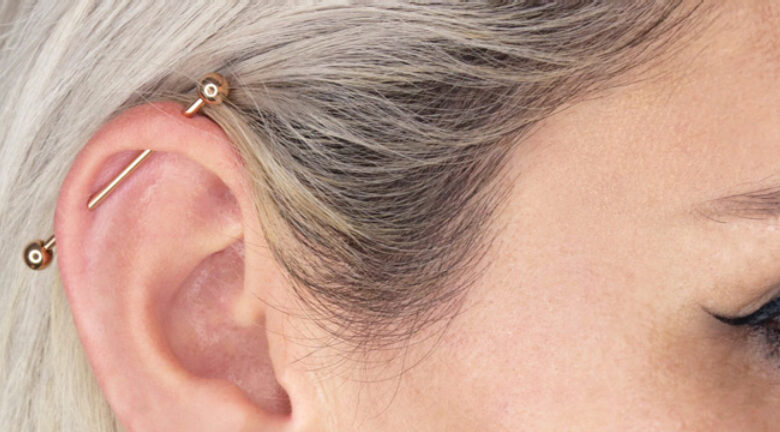
Industrial piercings have grown in popularity over the past decade, becoming one of the most stylish and bold ear modifications among young adults and trendsetters. Unlike traditional single piercings, the industrial piercing is a dual-ear piercing connected by a single barbell, giving a unique, edgy appearance. This style is often associated with alternative fashion, but it has crossed into mainstream trends due to its versatility and expressive nature.
Choosing to get an industrial piercing is not only a fashion statement but also a commitment. It requires understanding the process, potential pain, healing time, and aftercare. Proper knowledge ensures the piercing heals correctly and remains a safe, aesthetic addition to your style. This guide will take you through every aspect of industrial piercings, from the basics to advanced styling tips, ensuring you are fully prepared before deciding to get one.
Many people are drawn to industrial piercings for their bold and distinctive look. It allows creative self-expression through various jewelry options, from sleek metallic bars to colorful, custom designs. However, style comes with responsibility—this piercing demands proper care to avoid complications. By understanding the process, risks, and maintenance, anyone considering an industrial piercing can enjoy a stylish and safe ear transformation.
What is an Industrial Piercing?
An industrial piercing, sometimes called a scaffold piercing, involves two separate holes connected by a single straight barbell. Typically, one hole is placed at the helix (upper cartilage) of the ear and the other on the opposite side of the ear’s cartilage. This unique alignment creates a striking, linear look that draws attention and adds an edgy dimension to your style. Unlike standard ear piercings, which focus on a single point, the industrial piercing spans the ear, offering a bold statement.
The piercing has grown in popularity due to its versatility. Some wearers choose minimalistic, silver or gold bars, while others prefer colorful, gem-studded, or customized jewelry for a more expressive look. It is often considered a symbol of individuality and confidence, appealing to people who enjoy standing out. The industrial piercing can be adapted to different ear shapes, though the placement may vary slightly depending on anatomy.
A key feature that differentiates industrial piercing from other ear piercings is its combination of style and commitment. The dual holes must align correctly to accommodate the barbell, requiring precision from a professional piercer. This makes it slightly more complex than regular piercings, demanding careful planning and aftercare. With proper execution, industrial piercings offer a bold yet sophisticated aesthetic that remains popular across generations.
The Process of Getting an Industrial Piercing
Getting an industrial piercing involves precision, experience, and quality tools. Typically performed at professional piercing studios, the process starts with cleaning the ear and marking the exact points for the two holes. Proper placement is crucial; even a small misalignment can result in discomfort or a crooked final appearance. Most studios use sterile, single-use needles to ensure safety and reduce the risk of infection.
Once marked, the piercer carefully inserts the needle through the first cartilage point, followed by the second. After both holes are completed, a barbell is inserted, connecting the two piercings. The barbell is usually made from surgical steel, titanium, or gold, materials that minimize the risk of allergic reactions. The choice of jewelry is important for both comfort and style, with options ranging from minimalist straight bars to elaborate decorative designs.
Pain is subjective and varies from person to person. Many describe the sensation as sharp at first, followed by a throbbing discomfort for a few hours. Factors affecting pain include ear sensitivity, individual tolerance, and the skill of the piercer. Unlike earlobe piercings, cartilage piercings tend to hurt more because the tissue is denser and less vascular. Proper preparation, relaxation techniques, and choosing a reputable piercer can make the experience more manageable.
Finally, the process concludes with initial aftercare instructions. The piercer will provide guidance on cleaning, avoiding irritation, and what activities to avoid. While the procedure itself may be brief, the commitment to proper care and monitoring for complications is what ensures the piercing heals safely and maintains its aesthetic appeal.
Healing, Aftercare, and Maintenance
Healing is one of the most critical aspects of an industrial piercing. Typically, initial healing takes around 6–8 weeks, but full healing can take anywhere from 6 months to a year. Cartilage piercings require patience because the tissue heals slower than softer parts of the ear. During this time, avoiding unnecessary movement, pressure, and contamination is essential.
Proper aftercare includes cleaning the piercing twice daily with saline solution or a mild antiseptic recommended by the piercer. Avoid touching the piercing with dirty hands, twisting the jewelry unnecessarily, or exposing it to hair products and harsh chemicals. Sleeping positions may need adjustment to prevent pressure on the newly pierced ear. Swelling, redness, or mild tenderness is normal, but any severe pain, pus, or unusual discoloration may indicate an infection.
Maintenance also involves monitoring for bumps or keloids, which can develop due to irritation or improper care. Warm compresses and antiseptic solutions can help reduce minor bumps, but persistent issues require professional consultation. Replacing jewelry before the piercing fully heals is not recommended, as it can delay recovery and increase the risk of complications.
Consistent and careful aftercare ensures the piercing heals cleanly, minimizing risks and preserving its visual appeal. With proper maintenance, industrial piercings can remain healthy, stylish, and versatile, allowing for jewelry changes and creative styling once fully healed.
Jewelry and Styling Options

One of the most exciting aspects of industrial piercings is the jewelry. Industrial bars come in various materials, including surgical steel, titanium, gold, and even biocompatible plastics. Each material offers different benefits, such as reduced allergic reactions or enhanced durability. For individuals with sensitive ears, titanium is often recommended due to its hypoallergenic properties.
Styling options are nearly limitless. Minimalists often prefer sleek, plain bars in silver or gold, while those seeking attention-grabbing designs might opt for colored bars, charms, or gem accents. Customization allows wearers to express their personality through patterns, textures, and colors. Some even incorporate multiple industrial piercings on a single ear, creating intricate and personalized designs.
Jewelry choice should also consider comfort. Proper length and thickness prevent irritation and ensure the bar does not snag on clothing or hair. Jewelry can transform the piercing from a subtle accessory to a statement piece, allowing wearers to adapt their look to different occasions, from casual outings to formal events.
Changing jewelry after the piercing heals is a fun way to refresh the style without undergoing a new procedure. Many fashion enthusiasts mix and match bars to reflect seasonal trends or personal moods, highlighting the piercing’s versatility and enduring popularity.
Risks, Precautions, and When to Seek Help
Despite the aesthetic appeal, industrial piercings carry risks. Common complications include infection, swelling, allergic reactions, and the formation of bumps or keloids. Proper piercing techniques, high-quality jewelry, and diligent aftercare minimize these risks. Those with existing medical conditions, allergies to metals, or compromised immune systems should consult a professional before getting pierced.
Signs of infection include persistent redness, unusual discharge, severe pain, or swelling beyond the initial healing period. If any of these occur, it is crucial to seek medical advice promptly. Avoid home remedies that may worsen the issue; professional guidance ensures safe and effective treatment.
Precautions also include avoiding trauma to the ear, such as rough handling, tugging, or wearing tight headphones. Choosing a certified piercer with experience in industrial piercings greatly reduces risks and improves alignment and healing outcomes. Understanding the potential risks and taking preventive measures ensures a successful and satisfying piercing experience.
Pros and Cons of Industrial Piercings
Pros:
- Unique, bold look that enhances personal style.
- Wide variety of jewelry for creative self-expression.
- Trendy and versatile, suitable for casual and formal settings.
Cons:
- Pain during piercing and initial healing.
- Long healing time compared to earlobe piercings.
- Careful maintenance required to prevent infections or bumps.
Industrial piercings offer an edgy, fashionable look, but they are not without challenges. Pros and cons should be weighed carefully to ensure the decision aligns with lifestyle, pain tolerance, and willingness to maintain proper aftercare.
Conclusion
Industrial piercings are a bold and stylish choice for anyone looking to make a statement with their ear jewelry. While the process involves pain and a significant healing period, the results are visually striking and highly customizable. Proper care, high-quality jewelry, and choosing an experienced piercer are essential for a successful outcome.
For individuals willing to commit to the aftercare and precautions, an industrial piercing can be a lifelong statement of individuality and style. Balancing fashion with safety ensures the piercing remains an attractive, healthy, and trend-forward accessory.
FAQs about Industrial Piercings (Short Answers)
How long does an industrial piercing take to heal?
6–8 weeks for initial healing, 6–12 months for full healing.
Does an industrial piercing hurt more than other ear piercings?
Yes, it’s more painful than earlobe piercings because it goes through cartilage.
Can I sleep on my side with an industrial piercing?
Not during healing; sleep on your back to avoid pressure.
How do I clean my industrial piercing properly?
Clean twice daily with saline solution and avoid touching with dirty hands.
Can I change the jewelry before it heals completely?
No, wait until it’s fully healed to avoid infection or damage.
What materials are safest for industrial piercing jewelry?
Surgical steel, titanium, niobium, or 14k+ solid gold.
How much does an industrial piercing typically cost?
Usually $40–$100, depending on studio and jewelry.
Can an industrial piercing get infected easily?
Yes, if hygiene is poor or it gets irritated.
Can I wear headphones or hats after getting it pierced?
Avoid tight ones during healing; fine once fully healed.
Is an industrial piercing suitable for all ear shapes?
Not always; depends on ear size and cartilage placement.
You May Also Read: Katana