The katana is more than just a weapon—it is a timeless symbol of honor, discipline, and craftsmanship deeply rooted in Japanese history. Known for its distinctive curved blade and razor-sharp edge, the katana has fascinated historians, collectors, and martial artists for centuries. Its elegance and deadly efficiency make it one of the most recognizable swords in the world, often associated with the noble samurai warriors of feudal Japan.
Beyond its physical form, the katana carries profound cultural significance. It represents the soul of the samurai, embodying values such as loyalty, courage, and precision. In Japanese tradition, a sword was not merely a tool for combat but a spiritual artifact that reflected the identity and status of its owner. This deep connection between warrior and weapon has elevated the katana to legendary status across generations.
In today’s world, the katana continues to capture global attention through movies, anime, martial arts, and collector communities. This article explores every aspect of the katana—from its origins and construction to its modern-day relevance—providing a comprehensive guide for enthusiasts and beginners alike.
What is a Katana?
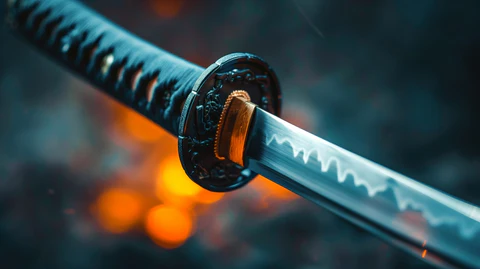
A katana is a traditional Japanese sword characterized by its curved, single-edged blade, circular guard, and long grip designed for two-handed use. Unlike many Western swords, the katana is optimized for swift, precise cutting rather than thrusting. Its design allows for quick drawing and striking in one fluid motion, making it highly effective in combat scenarios.
One of the defining features of the katana is its craftsmanship. The blade is forged using a specialized process that involves folding steel multiple times to enhance strength and flexibility. This results in a weapon that is both durable and incredibly sharp. The visible grain pattern on the blade, known as “hada,” is a testament to the skill of the swordsmith.
Culturally, the katana holds immense symbolic value. It was considered the soul of the samurai, often passed down through generations as a family heirloom. Even today, it remains a powerful symbol of Japanese heritage and artistic excellence, admired not only for its functionality but also for its beauty.
History of the Katana
The history of the katana dates back to feudal Japan, where it evolved from earlier straight swords. During the Kamakura period (1185–1333), advancements in warfare and armor necessitated a more effective weapon, leading to the development of the curved blade design. This innovation allowed for faster and more efficient cutting techniques.
As the samurai class rose to prominence, the katana became an essential part of their identity. It was not only used in battle but also served as a status symbol. Samurai were often seen wearing a pair of swords known as “daisho,” consisting of a katana and a shorter companion sword called a wakizashi. This combination represented their authority and social standing.
In later periods, such as the Edo era, the role of the katana shifted from a battlefield weapon to a symbol of discipline and artistry. Swordsmiths refined their techniques, producing blades that were as beautiful as they were functional. Although the age of the samurai eventually came to an end, the legacy of the katana continues to thrive in modern culture.
Anatomy of a Katana
Understanding the anatomy of a katana reveals the complexity and precision involved in its design. The blade itself is composed of several parts, including the cutting edge (ha), spine (mune), and tip (kissaki). Each component is carefully crafted to ensure optimal performance and balance.
The handle, or “tsuka,” is wrapped in materials such as ray skin and silk to provide a secure grip. Inside the handle lies the tang (nakago), which anchors the blade and contributes to the sword’s overall stability. The guard, known as the “tsuba,” protects the user’s hand while also serving as a decorative element.
The scabbard, or “saya,” is designed to protect the blade when not in use. It is often lacquered and intricately decorated, reflecting the owner’s taste and status. Every part of the katana is meticulously designed, showcasing the harmony between functionality and artistry.
How a Katana is Made
The creation of a katana is a labor-intensive process that requires exceptional skill and patience. Traditional swordsmiths begin by selecting high-quality steel, which is then heated, hammered, and folded multiple times. This folding process removes impurities and creates a strong, resilient blade.
Once the blade is shaped, it undergoes a differential hardening process. The edge is coated with a thin layer of clay, while the spine receives a thicker coating. When the blade is heated and quenched, this difference in cooling rates creates a hard edge and a flexible spine, enhancing durability.
The final stages involve polishing, sharpening, and assembling the sword. Each step is performed with meticulous attention to detail, often taking weeks or even months to complete. The result is a masterpiece that combines functionality with artistic beauty.
Types of Japanese Swords
While the katana is the most famous Japanese sword, it is part of a broader family of blades. The wakizashi, for example, is a shorter sword often paired with the katana. Together, they form the “daisho,” symbolizing the samurai’s authority.
Another type is the tanto, a small dagger used for close combat and ceremonial purposes. Each of these swords has unique characteristics and functions, reflecting the diverse needs of samurai warriors.
Modern replicas and variations of these swords are also widely available, catering to collectors and martial artists. Understanding these differences helps enthusiasts appreciate the rich heritage of Japanese sword-making.
Uses of the Katana
Historically, the katana was primarily used in battle, where its sharpness and speed gave samurai a significant advantage. Its design allowed for quick, precise strikes, making it a formidable weapon on the battlefield.
In modern times, the katana is used in martial arts such as Kendo and Iaido. These disciplines emphasize discipline, technique, and respect, preserving the traditions of the samurai.
The katana is also valued as a collector’s item and decorative piece. Its aesthetic appeal and historical significance make it a prized possession for enthusiasts around the world.
Katana in Pop Culture
The katana has become a prominent symbol in global pop culture, appearing in movies, anime, and video games. It is often associated with characters who embody strength, honor, and precision.
This representation has contributed to the sword’s enduring popularity, introducing it to new generations of fans. From samurai films to modern action movies, the katana remains a powerful visual icon.
However, these portrayals sometimes exaggerate the capabilities of the weapon, creating myths that differ from reality. Despite this, the katana’s influence on popular culture is undeniable.
How to Identify a Quality Katana
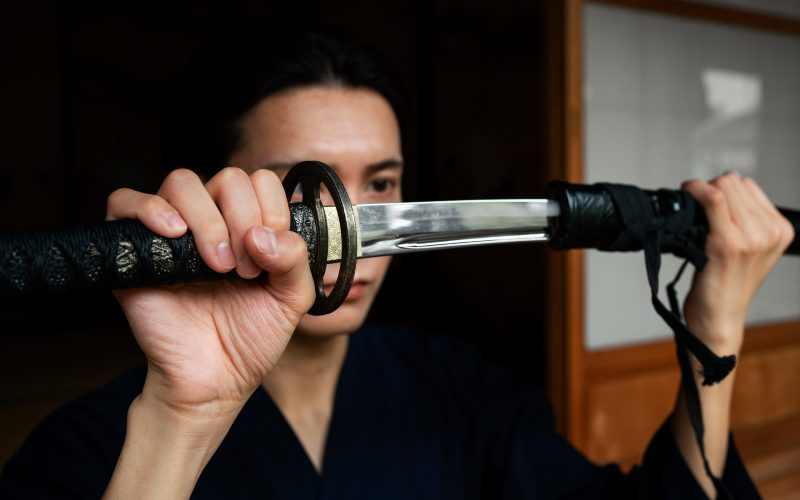
Identifying a quality katana requires attention to detail. Factors such as the type of steel, craftsmanship, and balance play a crucial role in determining its value. Authentic katanas often feature a visible grain pattern and a distinct temper line.
Low-quality replicas, on the other hand, may lack these characteristics and use inferior materials. Buyers should carefully examine the blade, handle, and fittings before making a purchase.
For beginners, consulting experts or reputable sellers can help avoid common mistakes. Investing in a high-quality katana ensures both safety and satisfaction.
Legal Aspects of Owning a Katana
Owning a katana is subject to legal regulations that vary by country. In some regions, it is considered a collectible item, while in others, restrictions may apply.
It is important to understand local laws before purchasing or transporting a katana. Proper storage and handling are also essential to ensure safety.
Responsible ownership involves respecting both the cultural significance and potential dangers of the weapon. By following legal guidelines, enthusiasts can enjoy their interest without complications.
How to Maintain and Care for a Katana
Proper maintenance is essential to preserve the quality and longevity of a katana. Regular cleaning and oiling prevent rust and corrosion, ensuring the blade remains in optimal condition.
Storage is equally important. The sword should be kept in a dry environment, away from moisture and direct sunlight. Using a protective scabbard helps maintain its integrity.
Investing in maintenance tools and learning proper care techniques can significantly extend the life of a katana. This attention to detail reflects the respect traditionally associated with the weapon.
Buying Guide: Choosing the Right Katana
When buying a katana, it is important to consider factors such as budget, purpose, and authenticity. Beginners may prefer affordable replicas, while collectors often seek high-quality, handcrafted pieces.
Purchasing from reputable sellers ensures authenticity and quality. Online platforms and specialty stores offer a wide range of options to suit different needs.
Avoiding common mistakes, such as prioritizing appearance over functionality, can lead to a more satisfying purchase. A well-chosen katana is both a valuable investment and a meaningful addition to any collection.
The Modern Relevance of Katana
Despite its historical origins, the katana remains relevant in modern society. It continues to be used in martial arts, where practitioners uphold the traditions of the samurai.
Collectors and enthusiasts value the katana for its craftsmanship and cultural significance. It serves as a bridge between the past and present, preserving a rich heritage.
The global fascination with the katana shows no signs of fading. Its timeless appeal ensures that it will remain an enduring symbol of artistry and discipline.
Conclusion
The katana is more than just a sword—it is a symbol of history, culture, and craftsmanship. From its origins in feudal Japan to its place in modern society, it has maintained its status as one of the most iconic weapons in the world.
Understanding the katana’s history, design, and significance allows us to appreciate its true value. It is not merely a tool but a masterpiece that reflects centuries of tradition and skill.
As interest in the katana continues to grow, it is important to approach it with respect and responsibility. By doing so, we honor the legacy of the samurai and the artistry of the swordsmiths who brought this legendary weapon to life.
FAQs
What is a katana used for?
Historically for combat; today for martial arts and collecting.
How is a katana different from other swords?
It has a curved, single-edged blade designed for precise cutting.
Are katanas still made today?
Yes, both traditional and modern versions are produced.
Is it legal to own a katana?
It depends on local laws and regulations.
How much does a real katana cost?
Prices vary widely, from hundreds to thousands of dollars.
What is the best steel for a katana?
High-carbon steel is commonly used for durability and sharpness.
How do you maintain a katana properly?
Clean, oil, and store it in a dry place.
Can beginners buy a katana?
Yes, but they should start with affordable and safe options.
What are the different types of Japanese swords?
Katana, wakizashi, and tanto are the most common.
Is a katana a good investment?
High-quality pieces can be valuable for collectors.
You May Also Read: Kissanime