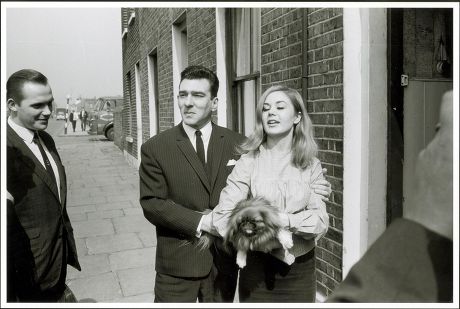
Reggie Kray, born Reginald “Reggie” Kray on 24 October 1933 in Hoxton, East London, remains one of the most infamous figures in British criminal history. Alongside his identical twin brother, Ronnie, Reggie dominated London’s East End criminal underworld during the 1950s and 1960s, operating with a mixture of charisma, brutality, and intelligence that earned the Kray twins legendary notoriety. Their story is not only a tale of crime and violence but also one that intersects with celebrity, media attention, and enduring cultural fascination.
The Krays’ empire spanned gambling, protection rackets, and organized crime, and they became household names during a time when London was struggling with post-war reconstruction and social change. Despite their violent tendencies, the twins cultivated a glamorous image, associating with celebrities, politicians, and entertainers, which further complicated public perception of them. Reggie, in particular, was often portrayed as the more calculated, intelligent, and business-minded of the two, although both shared a ruthless streak that instilled fear in rivals and the general public alike.
This article delves into the life of Reggie Kray, tracing his early years, rise to criminal prominence, high-profile arrests, media portrayal, personal life, and enduring legacy. It explores how an ordinary boy from East London became an iconic figure in British criminal lore, and examines the duality of Reggie Kray as both feared gangster and cult celebrity.
Early Life and Family Background
Reggie Kray was born to Charles and Violet Kray, the youngest of four children in a working-class East London family. Growing up in the densely populated Hoxton neighborhood, Reggie and Ronnie were exposed early to the harsh realities of post-war urban life, including poverty, gang activity, and social unrest. The twins were inseparable from birth, sharing not only physical resemblance but also a profound bond that would shape their future.
Their parents were strict and hardworking; Charles Kray worked as a fruit market porter while Violet managed the household. The twins’ early environment instilled both resilience and a desire for power and control. They excelled in school in certain areas but often clashed with authority, displaying an early knack for manipulation and strategic thinking. East London during the 1940s and 1950s was rife with street gangs, and Reggie and Ronnie were quickly drawn into minor criminal activities as adolescents, ranging from petty theft to street intimidation.
The Krays’ formative years were also marked by exposure to London’s entertainment scene, including nightclubs and pubs, which later became hubs for their criminal operations. The twins learned to navigate social hierarchies, charm influential figures, and assert dominance in public spaces. This mix of street smarts and social intelligence laid the groundwork for the Kray twins’ criminal empire, with Reggie emerging as a particularly astute strategist behind their operations.
Criminal Career and Activities
Reggie Kray’s criminal career escalated during the 1950s, initially through minor offenses and local gang affiliations. He and Ronnie eventually established the Firm, a gang notorious for extortion, armed robbery, and protection rackets. Reggie’s role in the gang was pivotal: he combined meticulous planning with the ability to intimidate rivals, often acting as the public face of the twins’ enterprise.
The Krays’ influence extended across East London, with control over nightclubs, gambling operations, and illicit businesses. Their criminal network relied on fear, loyalty, and strategic alliances with corrupt officials and high-profile celebrities. Notable crimes attributed to the Krays include armed robberies, assaults, and involvement in several murders, including those of George Cornell and Jack “the Hat” McVitie, which would ultimately bring about their downfall.
Despite their violent operations, the twins were adept at cultivating public perception as respectable businessmen and socialites. Reggie, in particular, played the role of the composed and measured gangster, often mediating disputes and managing the gang’s finances. Media attention during this period highlighted the unusual blend of glamour and brutality, cementing the Krays’ reputation as both feared criminals and cult celebrities. Their criminal activities continued unchecked for years, largely due to intimidation of witnesses and a combination of luck and strategic alliances.
Arrest, Trial, and Imprisonment
The Krays’ reign came to an end in 1968, when law enforcement mounted a concerted effort to dismantle their operations. Reggie Kray was arrested along with his brother, facing charges including murder, armed robbery, and conspiracy to commit assault. The trial was one of the most high-profile in British legal history, with intense media coverage and public fascination surrounding the twins.
During the trial, Reggie was portrayed as a sophisticated and calculating figure, capable of orchestrating criminal activity with precision. The court proceedings revealed the depth of the twins’ influence, detailing their violent enforcement tactics, strategic intimidation, and ability to manipulate associates and witnesses. In 1969, Reggie and Ronnie were convicted and sentenced to life imprisonment, bringing an end to their decade-long criminal empire.
Prison life was challenging, yet Reggie adapted by maintaining control and influence behind bars. He formed alliances with other inmates and continued to assert his presence, reflecting the same strategic thinking that had characterized his rise to power. His time in prison also offered an opportunity for reflection, eventually contributing to interviews and memoirs that would shape public understanding of his life and crimes.
The twin’s incarceration marked a turning point in British criminal history, serving as a cautionary tale of the dangers of organized crime while cementing their legendary status in popular culture.
Media Portrayal and Cultural Legacy
Reggie Kray’s life has inspired numerous books, films, and documentaries, often highlighting the complex mix of charisma, brutality, and celebrity that defined the Krays. Films such as The Krays (1990) and Legend (2015) dramatize their rise and fall, with Reggie depicted as the more composed, intelligent counterpart to his volatile brother Ronnie.(IMDb)
Public fascination with Reggie Kray stems from the paradox of his persona: he was simultaneously a ruthless criminal and a captivating public figure. Media portrayals often explore his loyalty to family, strategic brilliance, and occasional acts of charity or compassion, presenting a nuanced picture of a man both feared and admired. Reggie’s legacy extends into music, literature, and television, influencing portrayals of gangsters in popular culture for decades.
His story also serves as a lens through which historians and criminologists examine post-war London, the rise of organized crime, and the socio-economic factors that facilitated such criminal enterprises. Reggie Kray’s influence remains embedded in both criminal history and the wider cultural imagination, symbolizing a time when organized crime intersected dramatically with celebrity culture.
Personal Life and Relationships

Reggie Kray’s personal life was closely intertwined with his criminal career. He maintained a strong bond with Ronnie, which influenced both his decisions and public image. Romantic relationships and friendships with celebrities added to the twins’ allure, while their East London roots kept them grounded in the local community.
Despite a life marked by violence and illegality, Reggie displayed loyalty and a protective streak toward family and close associates. Personality traits such as intelligence, charm, and volatility defined his relationships, often drawing admiration and fear in equal measure. His lifestyle was a blend of ostentatious displays of wealth and adherence to East End social codes, reflecting the duality that made him both feared and fascinating.
These personal dynamics, coupled with his public persona, contribute to the enduring intrigue surrounding Reggie Kray. While history remembers him for his criminal exploits, his relationships, family ties, and social interactions provide context to the man behind the legend.
Conclusion
Reggie Kray’s life is a testament to the extremes of human ambition, power, and notoriety. From humble beginnings in East London to the heights of criminal dominance, his story encapsulates both the allure and peril of organized crime. Through his intelligence, charisma, and ruthlessness, Reggie helped shape one of Britain’s most infamous criminal dynasties.
Media portrayals and cultural fascination continue to immortalize Reggie Kray, reflecting society’s enduring curiosity with crime, morality, and celebrity. His life serves as a cautionary tale, a historical record, and a source of endless fascination — ensuring that the legacy of Reggie Kray will endure for generations to come.
FAQs About Reggie Kray
Who was Reggie Kray and where was he born?
Reggie Kray was a British gangster, born in Hoxton, East London, on 24 October 1933.
How did Reggie Kray get involved in crime?
He began with petty crimes in his youth and, alongside his twin brother Ronnie, formed the Kray gang in the 1950s.
What crimes were the Kray twins most known for?
They were infamous for armed robberies, protection rackets, assaults, and murder.
When and why was Reggie Kray arrested?
Reggie was arrested in 1968 during a police operation targeting the Krays’ criminal empire.
What was Reggie Kray’s life like in prison?
He maintained influence behind bars, adapted strategically, and reflected on his life, contributing to later memoirs.
How has Reggie Kray been portrayed in films and media?
Films like The Krays (1990) and Legend (2015) dramatize his life, emphasizing his intelligence and calculated persona.
Did Reggie Kray have a family?
He was close to his brother Ronnie and maintained friendships and relationships that enhanced his public persona.
What is Reggie Kray’s legacy in British criminal history?
Reggie Kray remains a symbol of East End organized crime, influencing popular culture and historical accounts of British gangster life.
You May Also Read: Charlotte Hawkins