
The modern live entertainment industry has changed dramatically with the rise of digital ticketing platforms, and one of the most influential names in this space is Ticketmaster. As concerts, sports events, and theater shows often sell out within minutes, fans increasingly turn to resale markets to secure access to their favorite events. This is where Ticketmaster Resale comes into play, offering a structured and official way to buy and sell previously purchased tickets.
Ticketmaster Resale refers to the secondary ticket market built into the Ticketmaster ecosystem, where users can resell tickets they can no longer use. Unlike unregulated third-party platforms, this system is integrated directly into the official Ticketmaster platform, which helps ensure authenticity and security. It has become a key feature for both buyers looking for sold-out events and sellers who need a safe way to transfer their tickets.
Understanding how Ticketmaster Resale works is important because it influences pricing, availability, and ticket security. Many users are unaware that resale tickets often come with different pricing structures and fees compared to original tickets. This guide breaks down everything you need to know—from how the system operates to how to get the best deals safely.
How Ticketmaster Resale Works
Ticketmaster Resale operates as a controlled secondary marketplace within the Ticketmaster platform. It allows verified users to list tickets they can no longer use, making them available for purchase by other fans. This system ensures that all tickets remain authentic and digitally transferred, reducing the risk of fraud that is common on unofficial resale websites.
When buying a resale ticket, users search for an event just like they would for standard tickets. However, instead of purchasing from the original allocation, they select from listings marked as resale. These tickets often appear alongside primary listings but are clearly labeled so buyers understand they are purchasing from another fan rather than directly from the event organizer.
Selling tickets on Ticketmaster is equally straightforward. Users who have eligible tickets can list them for resale through their account. Once listed, the tickets are reviewed and made available to other buyers. After a successful sale, payment is processed and transferred to the seller, usually after the event has taken place or within a defined payout period.
One of the most important features of Ticketmaster Resale is its dynamic pricing system. Prices are not fixed and can fluctuate based on demand, seat location, and event popularity. High-demand events often see resale prices rise significantly, while less popular events may have lower or discounted resale tickets available closer to the event date.
Fees, Pricing, and Costs Explained
Understanding pricing on Ticketmaster Resale is essential for both buyers and sellers. Since the system is part of Ticketmaster, it includes service fees that apply to transactions on both sides. These fees help maintain platform security, customer support, and ticket verification systems.
For buyers, the final price of a resale ticket typically includes the original ticket value plus additional service charges. These fees can vary depending on the event, location, and demand. In some cases, popular concerts or sports matches may have significantly higher service fees due to increased platform usage and demand pressure.
Sellers also incur fees when listing tickets. A percentage of the final sale price is usually deducted as a commission. This fee structure ensures the platform remains operational while providing a secure environment for transactions. Sellers receive their payment after the ticket is successfully transferred and the event has passed or after verification requirements are met.
Pricing differences between original and resale tickets are common. In high-demand situations, resale tickets can be more expensive than face value due to scarcity. However, in cases where demand drops, resale tickets may become cheaper than original listings. This creates a flexible market where prices constantly adjust based on real-time demand.
Safety, Legitimacy, and Trust Factors
One of the strongest advantages of Ticketmaster Resale is its focus on safety and legitimacy. Because it is operated by Ticketmaster, all tickets listed on the platform are verified and digitally secured. This significantly reduces the risk of counterfeit or invalid tickets, which are common issues on unofficial resale websites.
Ticketmaster uses a secure digital ticket transfer system, meaning tickets are often stored electronically and transferred directly to the buyer’s account. This eliminates the need for physical ticket exchanges and reduces fraud risks. Buyers can be confident that their tickets are valid and linked directly to the official event system.
In addition, Ticketmaster provides buyer protection policies. If an event is canceled, customers are typically eligible for refunds according to the platform’s terms and conditions. This adds another layer of security and trust, making it a preferred choice for many event-goers.
Despite these protections, users are still encouraged to remain aware of pricing and listings. While the platform ensures authenticity, it does not control market-driven price increases. Therefore, buyers should always compare options carefully before completing a purchase.
Tips for Getting the Best Deals on Ticketmaster Resale
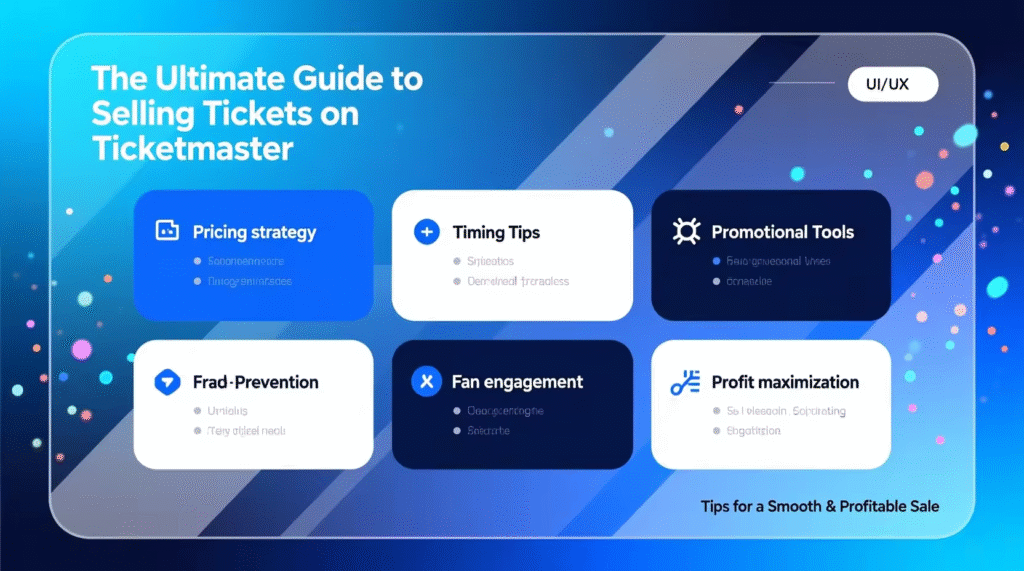
Getting the best deal on Ticketmaster Resale requires timing, strategy, and awareness of market trends. On Ticketmaster, ticket prices often fluctuate based on demand cycles. One of the most effective strategies is monitoring prices regularly and purchasing when demand temporarily drops.
Timing is critical. In many cases, resale ticket prices decrease closer to the event date as sellers become more motivated to sell. However, for highly popular events, waiting too long may result in even higher prices or no availability at all. Balancing timing and demand is key to securing the best deal.
Another useful strategy is using price alerts and notifications. Many users track specific events to receive updates when prices change. This helps buyers act quickly when good deals appear.
Seat selection also plays an important role. While premium seats offer better views, mid-range seats often provide a better balance between price and experience. Understanding venue layouts can help buyers make smarter decisions without overspending.
Advantages and Disadvantages of Ticketmaster Resale
Ticketmaster Resale offers several advantages that make it a reliable choice for event ticket purchases. One of the biggest benefits is access to sold-out events. When primary tickets are no longer available, resale listings provide a second chance for fans to attend.
Another advantage is security. Because the platform is operated by Ticketmaster, all transactions are verified and protected, reducing the risk of scams. This makes it safer than many third-party resale websites.
However, there are also disadvantages. Fees can be higher compared to original ticket sales, and prices may increase significantly due to demand. Additionally, refund flexibility can be limited depending on the seller and event policy.
Despite these drawbacks, many users prefer Ticketmaster Resale because of its reliability and convenience.
Conclusion
Ticketmaster Resale has become an essential part of the modern ticketing ecosystem. By providing a secure and structured secondary market, Ticketmaster allows fans to access sold-out events while ensuring authenticity and protection.
Although prices and fees can vary, the platform offers a trustworthy alternative to unregulated resale markets. With the right timing and strategy, users can still find great deals while enjoying peace of mind.
FAQs – Ticketmaster Resale
What is Ticketmaster Resale?
It is an official secondary marketplace where users buy and sell event tickets.
Is Ticketmaster Resale safe?
Yes, it is secure and operated directly by Ticketmaster.
Why are resale tickets more expensive?
Prices increase based on demand and ticket availability.
Can I sell my tickets on Ticketmaster?
Yes, eligible tickets can be listed for resale.
Do I get a refund if an event is canceled?
Yes, refunds are usually issued according to platform policies.
Are there extra fees on resale tickets?
Yes, both buyers and sellers may be charged service fees.
You May Also Read: Slow Horses Season 4