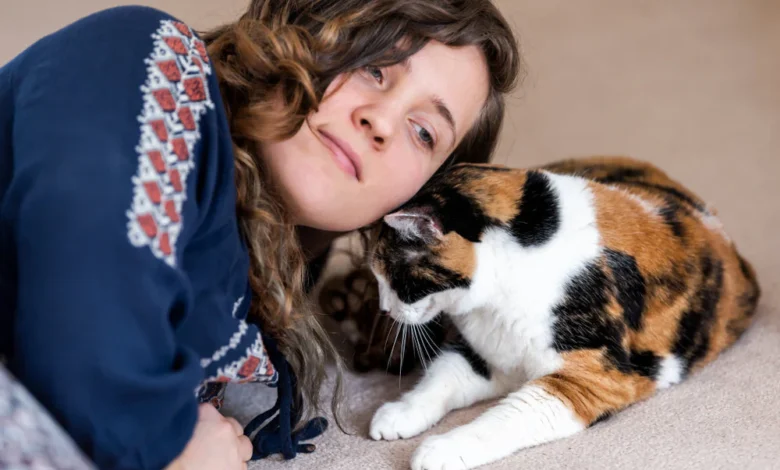
Why Does My Cat Keep Headbutting Me If your cat keeps bumping its head against you, you are not alone—and you are definitely not being attacked. This behavior, commonly known as headbutting or “head bunting,” is one of the most affectionate and socially meaningful actions in feline communication. Many owners notice this behavior repeatedly and wonder why their domestic cat insists on pressing its head against their face, hands, or legs.
Unlike dogs, cats do not rely heavily on vocal communication or obvious body language. Instead, they use subtle physical cues to express emotions such as trust, affection, and ownership. Why Does My Cat Keep Headbutting Me is one of the clearest signs that a cat feels safe and comfortable around a human. It is a behavior rooted in instinct, communication, and scent marking.
Understanding why your cat engages in this action can strengthen your bond and help you respond appropriately. While it may look simple, Why Does My Cat Keep Headbutting Me carries multiple meanings depending on context, frequency, and the cat’s emotional state. In this guide, we will explore the science, behavior, and emotional reasons behind this fascinating feline habit.
What Is Cat Headbutting (Head Bunting)?
Headbutting, also known as head bunting, is when a cat gently bumps or rubs its head against a person, object, or even another animal. This behavior is completely normal and is most commonly seen in domesticated cats who have strong social bonds with humans or other pets.
One of the main reasons cats headbutt is due to scent glands located on their face. A domestic cat has scent glands on its cheeks, forehead, and chin. When a cat rubs its head against you, it is transferring its scent onto you. This is a form of communication that signals familiarity and trust. Essentially, your cat is marking you as part of its safe environment.
It is important to distinguish between normal head bunting and unusual head pressing. Gentle rubbing or bumping is a sign of affection, while constant forceful pressure against objects or walls may indicate a medical issue. In most cases, however, Why Does My Cat Keep Headbutting Me is harmless and positive behavior.
Cats use this action as part of their social structure. In multi-cat households, cats often headbutt each other to strengthen group bonds. When directed toward humans, it shows that the cat sees you as part of its social group.
Reasons Why Does My Cat Keep Headbutting Me
One of the most common reasons for Why Does My Cat Keep Headbutting Me is affection. When a cat gently bumps its head against you, it is expressing trust and emotional connection. This behavior is similar to a human hug or handshake. Your cat is essentially saying, “You are part of my family.”
Another major reason is territory marking. Cats are highly scent-driven animals. By rubbing their head on you, they are transferring pheromones from scent glands. This helps them mark you as safe and familiar. In the eyes of a domestic cat, this is a way of claiming social ownership—not dominance, but comfort and belonging.
Attention-seeking behavior is also a key factor. Cats quickly learn that Why Does My Cat Keep Headbutting Me often results in human response, such as petting, talking, or feeding. If a cat realizes that bumping your hand leads to affection, it may repeat the behavior more frequently to get attention.
Communication is another important reason. Cats do not have complex vocal language like humans, so they rely on body language. Why Does My Cat Keep Headbutting Me can signal a need for interaction, play, or even food. It is part of their natural way of expressing needs without meowing excessively.
Finally, headbutting can also serve as emotional comfort. When a cat feels relaxed or bonded, it may engage in this behavior as a form of self-soothing. The physical contact and scent exchange create a sense of security and stability.
When Headbutting Might Be a Concern
In most cases, Why Does My Cat Keep Headbutting Me is a completely normal and positive behavior. However, there are situations where it may indicate something else. If a domestic cat begins pressing its head excessively against hard surfaces like walls or furniture, it could be a sign of a neurological issue or discomfort.
It is also important to observe changes in behavior. If Why Does My Cat Keep Headbutting Me is accompanied by symptoms such as loss of appetite, lethargy, disorientation, or hiding, it may indicate that something is wrong. In such cases, a veterinary check-up is recommended to rule out medical conditions.
Context matters greatly when interpreting this behavior. A cat that headbutts frequently during relaxation or interaction is usually showing affection. However, sudden changes in frequency or intensity may suggest stress, anxiety, or environmental disruption.
Understanding your cat’s normal behavior pattern is key. Any significant deviation should be taken seriously, especially if combined with other unusual symptoms. While most Why Does My Cat Keep Headbutting Me is harmless, paying attention ensures your pet’s health and well-being.
How to Respond to Your Cat’s Headbutting
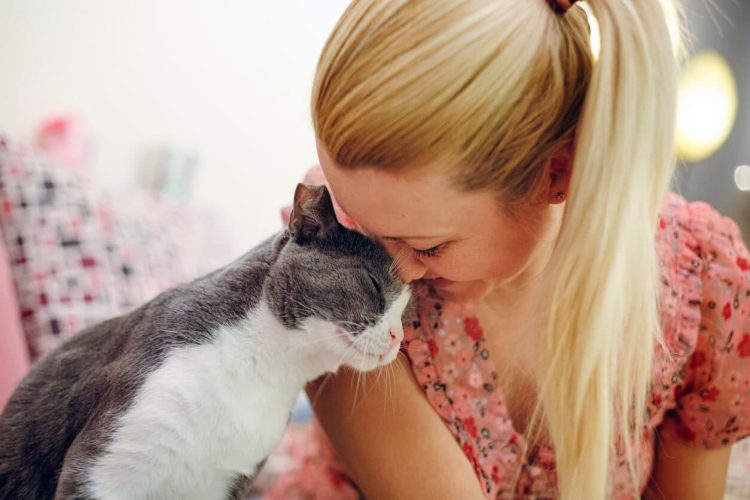
When your cat headbutts you, the best response is usually positive reinforcement. Gentle petting, calm interaction, or soft verbal communication can strengthen your bond. This encourages your cat to continue expressing affection in healthy ways.
Learning to read your cat’s body language is also important. A relaxed posture, slow blinking, and upright tail often accompany affectionate Why Does My Cat Keep Headbutting Me. A domestic cat uses these signals to show comfort and trust. Recognizing them helps you understand when your cat is seeking attention versus when it prefers space.
Building a strong bond with your cat involves consistent interaction. Playtime, grooming, and a safe environment all contribute to emotional security. When a cat feels safe and loved, it is more likely to engage in affectionate behaviors like headbutting.
Avoid punishing or rejecting this behavior, as it is a natural expression of trust. Instead, embrace it as a sign that your cat values your presence and sees you as part of its social group.
Conclusion
Headbutting is one of the most meaningful behaviors in feline communication. When your domestic cat bumps its head against you, it is expressing affection, trust, and social bonding. This behavior is deeply rooted in scent marking and emotional connection, making it a key part of how cats interact with humans.
While it may seem simple, Why Does My Cat Keep Headbutting Me carries multiple layers of meaning depending on context. Most of the time, it is a positive sign that your cat feels safe and comfortable in your presence. By understanding this behavior, you can strengthen your relationship and respond in ways that reinforce trust and companionship.
Ultimately, headbutting is one of the clearest ways your cat says, “You belong to my world.”
FAQs – Why Does My Cat Keep Headbutting Me
Why does my cat headbutt me all the time?
It is usually a sign of affection, bonding, or scent marking.
Is headbutting a form of dominance?
No, it is a social and affectionate behavior, not dominance.
Why does my cat headbutt my face?
Cats use facial scent glands to mark people they trust.
Should I be worried about headbutting?
Usually no, unless it becomes forceful or is paired with unusual symptoms.
Do all cats headbutt?
Most cats do, but frequency varies depending on personality.
Can headbutting mean my cat is stressed?
Rarely, but sudden changes in behavior may indicate stress or health issues.
You May Also Read: Thailand Holidays