April is one of the most underrated months for snow skiing because it combines reliable mountain conditions with warmer weather, fewer crowds, and a more relaxed atmosphere. While some lower-elevation ski resorts begin closing their winter operations, many high-altitude destinations continue offering excellent skiing throughout the month. The best snow skiing in April is usually found at resorts with high peaks, glacier areas, and locations that receive consistent snowfall during the late season.
Spring skiing creates a different experience compared with the colder winter months. Skiers can enjoy longer sunny days, comfortable temperatures, and softer snow conditions that are easier for many intermediate riders. However, choosing the right destination is important because snow quality can vary greatly depending on altitude, location, and seasonal weather patterns.
What Makes a Ski Resort Good for April Snow Conditions
The most important factor for April skiing is elevation. Resorts located at higher altitudes usually maintain better snow coverage because temperatures remain colder near the top of the mountain. Many of the best April ski resorts have summit elevations above 2,500 meters or include glacier skiing areas that stay open later into the season.
Another important factor is the resort’s location. Northern regions and mountain ranges with strong snowfall patterns often provide better late-season conditions. Skiers should also consider the resort’s slope direction, snowmaking facilities, and historical closing dates before planning their trip. A destination that performs well in February may not always offer the same experience in late April.
Best Snow Skiing in April in Europe
Europe offers some of the best late-season skiing opportunities because many Alpine resorts combine high elevation with extensive ski areas. Countries such as France, Switzerland, Austria, and Italy have several destinations that remain open well into April. These resorts are popular among travelers who want beautiful mountain scenery along with dependable spring skiing.
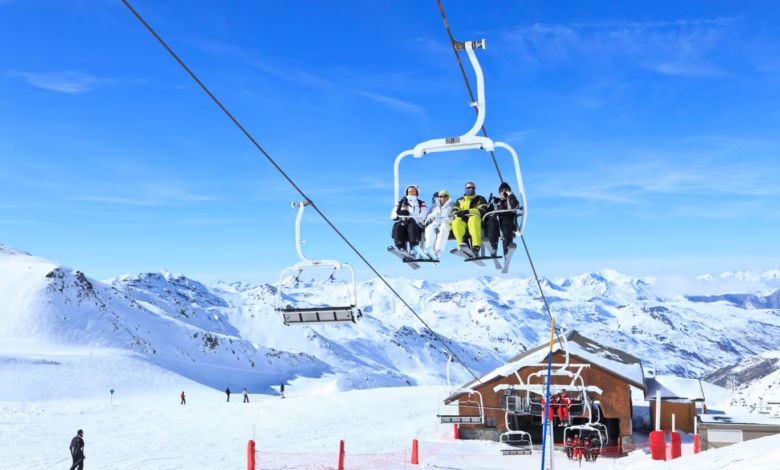
Val Thorens in France is one of the strongest choices for April skiing because it is the highest ski resort in Europe. Its high base elevation helps maintain good snow conditions when lower resorts start experiencing warmer weather. The resort is part of the Three Valleys ski area, offering thousands of hectares of terrain suitable for beginners, intermediate skiers, and advanced riders.
Tignes and Val d’Isère are also excellent April destinations because of their glacier access and high mountain slopes. These resorts are known for long seasons and reliable snow coverage. Skiers visiting in April can enjoy challenging terrain, scenic views, and a wide range of slopes without the peak winter crowds.
Zermatt in Switzerland is another popular choice for late-season skiing. Located near the famous Matterhorn mountain, Zermatt offers high-altitude skiing and glacier areas that often remain open during spring. It is especially attractive for travelers who want a combination of skiing, luxury accommodation, and stunning alpine scenery.
Best April Ski Resorts in the United States
The United States has several ski destinations that continue operating in April due to high elevation, strong snow history, and large mountain areas. Colorado, Utah, and California are among the best regions for late-season skiing.
Breckenridge in Colorado is a favorite April skiing destination because of its high elevation and extensive terrain. The upper mountain areas often maintain good snow conditions later in the season, while visitors can enjoy sunny spring skiing during the day. The resort offers options for different ability levels, making it suitable for families and groups with mixed experience.
Mammoth Mountain in California is another excellent option for April snow skiing. The resort is famous for its large snowfall totals and long ski season. In years with strong snowfall, Mammoth can remain open well beyond April, providing excellent conditions for skiers looking for a longer season.
Snowbird in Utah is also known for dependable late-season snow. Its location in the Wasatch Mountains allows it to receive significant snowfall, and the resort often attracts advanced skiers who want challenging terrain during the spring months.
Best April Ski Destinations in Canada
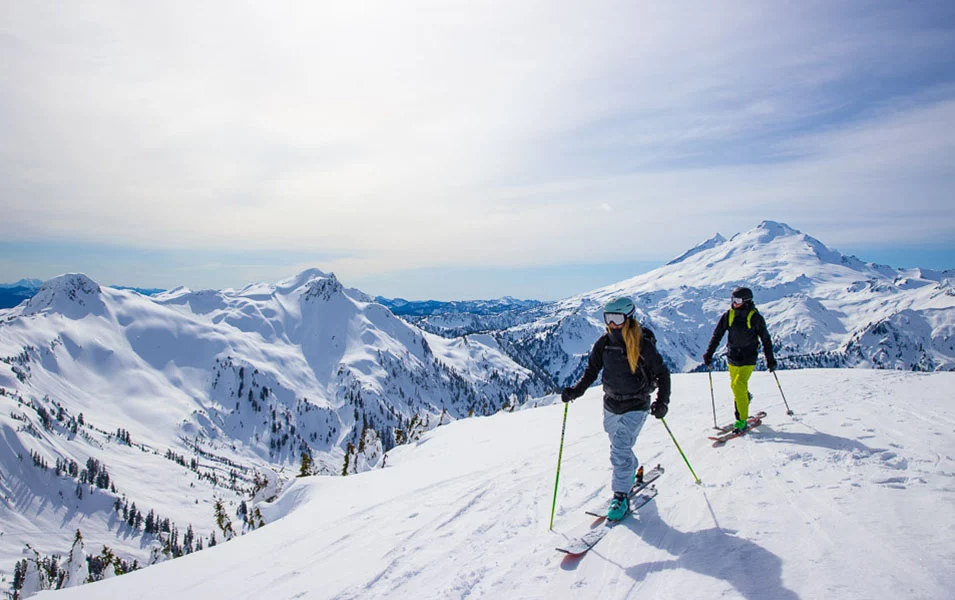
Canada is another strong choice for April skiing because of its northern location, mountain size, and colder spring temperatures. Several Canadian resorts continue offering excellent skiing when many other destinations have already closed.
Whistler Blackcomb in British Columbia is one of North America’s most famous ski destinations and remains a strong April choice. Its large ski area, high mountain terrain, and strong snowfall record make it attractive for visitors who want variety. Skiers can find everything from beginner slopes to advanced alpine runs.
Banff’s Sunshine Village in Alberta is another excellent late-season destination. The resort’s high elevation helps preserve snow quality during April, and visitors can enjoy spectacular mountain scenery in the Canadian Rockies. Lake Louise Ski Resort is also worth considering because of its large terrain and beautiful surroundings.
Best April Ski Resorts for Beginners and Families
April skiing is not only for experienced riders. Many beginners and families prefer spring skiing because temperatures are more comfortable and the atmosphere is less crowded. Choosing a resort with beginner-friendly slopes, ski schools, and convenient facilities can make the experience much easier.
Breckenridge, Whistler Blackcomb, and Val Thorens are good options for families because they offer a variety of terrain and professional ski instruction. These resorts provide gentle slopes for beginners while also offering advanced areas for more experienced members of a group.
Families should also consider accommodation options, transportation, and non-ski activities. April trips can include mountain restaurants, scenic cable car rides, winter festivals, and relaxing village experiences, making them enjoyable even for people who do not spend every day on the slopes.
Tips for Planning the Best Snow Skiing Trip in April
Planning an April ski holiday requires more attention than a traditional winter trip because conditions can change quickly. Checking recent snow reports, weather forecasts, and resort opening information before traveling can help avoid disappointment.
Skiers should also choose the right time within April. Early April usually offers more winter-like conditions, while late April often provides warmer temperatures and softer spring snow. Morning skiing is often better because overnight freezing creates firmer snow surfaces, while afternoon conditions become softer.
Packing correctly is also important. Spring skiing requires layers because mountain temperatures can change throughout the day. Waterproof clothing, sunscreen, sunglasses, and lighter layers can improve comfort during long days on the mountain.
How to Choose the Right April Ski Resort
The best snow skiing in April depends on personal preferences, skiing ability, and travel goals. Advanced skiers may prefer destinations with challenging terrain and glacier access, while beginners may value ski schools and easier slopes.
Budget is another important factor. April can offer better deals compared with peak winter months, but popular high-altitude resorts may still have strong demand. Travelers can often find better prices by booking accommodation early or choosing destinations that are less crowded.
The ideal April ski destination should balance snow reliability, terrain variety, accessibility, and overall travel experience. A resort with excellent snow but limited facilities may not be the best choice for every traveler.
Conclusion
The best snow skiing in April is available at destinations that combine high elevation, reliable snowfall, and quality mountain facilities. From Europe’s Alpine resorts like Val Thorens and Zermatt to North American favorites such as Breckenridge, Mammoth Mountain, and Whistler Blackcomb, skiers have many excellent choices for a late-season adventure.
April offers a unique skiing experience with fewer crowds, comfortable weather, and beautiful spring landscapes. By choosing the right resort and checking current snow conditions before traveling, visitors can enjoy memorable days on the slopes even after the traditional winter season begins to end.
FAQs
What are the best places to ski in April?
The best places to ski in April include Val Thorens, Tignes, Zermatt, Breckenridge, Mammoth Mountain, Whistler Blackcomb, and Banff Sunshine Village because they have high elevations and strong late-season snow conditions.
Is April too late for snow skiing?
No, April is not too late for skiing. Many high-altitude and glacier ski resorts remain open throughout April and sometimes continue into May depending on snow conditions.
Which country has the best skiing in April?
France, Switzerland, Austria, Canada, and the United States are among the best countries for April skiing because they offer high mountains and reliable late-season resorts.
Is April skiing cheaper than winter skiing?
April skiing can often be cheaper than peak winter travel because some resorts offer lower accommodation prices and fewer crowds after the main holiday season.
Where can beginners ski in April?
Beginners can enjoy April skiing at resorts such as Breckenridge, Whistler Blackcomb, and Val Thorens because they offer beginner slopes, ski lessons, and family-friendly facilities.
You May Also Read: J Sheekey Fish Pie