
Doctor Who Frobisher is one of the most unusual companions found in the wider Doctor Who universe. Frobisher is a Whifferdill, an alien shapeshifter best known for choosing the appearance of a penguin. Introduced through Doctor Who Magazine in 1984, he begins as a private investigator before developing into a travelling companion of the Sixth Doctor. His history later reaches the Seventh Doctor era, prose fiction, and Big Finish audio drama, giving him a much richer story than his unusual appearance might initially suggest.
For readers searching for Doctor Who Frobisher, the penguin form is only part of what makes the character interesting. His detective background, intelligence, independence, and ability to change shape allow him to contribute directly to adventures instead of simply following the Doctor. His stories also demonstrate how Doctor Who could explore characters and ideas outside television. Comics offered enormous visual freedom, while later audio productions proved that Frobisher could remain entertaining even when audiences could no longer see his transformations.
Who Is Frobisher in Doctor Who?
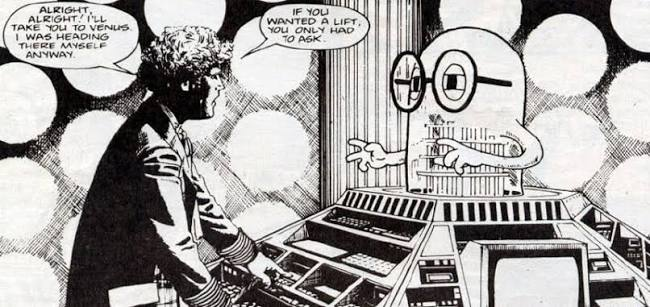
The history of Doctor Who Frobisher begins with The Shape Shifter, published in Doctor Who Magazine issues 88 and 89 in 1984. Written by Steve Parkhouse and illustrated by John Ridgway, the story introduces the Whifferdill as a private investigator using the name Avan Tarklu. He becomes involved with the Sixth Doctor because a bounty has been placed on the Time Lord. This makes his introduction different from companions who accidentally enter the TARDIS or immediately decide to travel with the Doctor.
As his story progresses, Frobisher moves from pursuing the Doctor to becoming an ally and companion. His investigative experience remains useful because he observes suspicious situations, improvises quickly, and can use his transformations as disguises. The relationship gives Doctor Who Frobisher more substance than a character created solely for comic relief. He has his own motivations and opinions, and he is confident enough to question the Doctor when necessary. That independence helps create a partnership in which both characters can influence how an adventure develops.
Why Does Frobisher Look Like a Penguin?
One of the most recognisable elements of Doctor Who Frobisher is that the penguin is a chosen appearance rather than his only possible body. As a Whifferdill, Frobisher can transform into different forms when circumstances require it. His shapeshifting can assist with disguises, escapes, investigations, and deception, yet he repeatedly returns to the penguin identity. This provides an effective balance for storytelling: his abilities can change according to the situation, while readers still have one familiar appearance that immediately identifies the character.
The penguin form also creates a deliberate contrast between appearance and ability. Frobisher may look harmless or humorous, but he is intelligent, resourceful, and capable of facing dangerous situations. A strong Doctor Who Frobisher story does not depend on repeatedly making jokes about a talking penguin. Instead, the unusual design supports the character while his choices and personality move the story forward. That distinction is important because it explains why Frobisher continued to work after the novelty of his first appearances had passed.
Frobisher and the Sixth and Seventh Doctors
Doctor Who Frobisher is most strongly associated with the Sixth Doctor. Their comic adventures benefited from the freedom of Doctor Who Magazine, where writers and artists could create strange worlds and transformations without television production limits. Stories collected in Doctor Who: Voyager include The Shape-Shifter, Voyager, Polly the Glot, Once Upon a Time Lord, and Frobisher’s Story. Across these adventures, Frobisher is not simply present beside the Doctor; his investigative background and alien abilities frequently help him participate directly in solving problems.
His travels do not end with the Sixth Doctor. Frobisher also continues into the Seventh Doctor era within expanded-media continuity, an important detail that shorter character summaries sometimes overlook. Later material eventually includes the Seventh Doctor saying farewell to him, giving his time as a companion a clearer endpoint. This broader timeline makes Doctor Who Frobisher more than a temporary addition to one Doctor’s comic adventures. He becomes a companion whose relationship with the Time Lord survives regeneration and develops across different stages of the Doctor’s life.
Frobisher in Big Finish Audio
The move into audio became another important stage in the history of Doctor Who Frobisher. Big Finish Productions brought him back in The Holy Terror in 2000, with Colin Baker playing the Sixth Doctor and Robert Jezek voicing Frobisher. Audio removes the immediate visual impact of a penguin travelling with the Doctor, so Frobisher has to work through dialogue, personality, decisions, and his relationship with the Time Lord. The story demonstrates that the character can function in more serious material without depending entirely on his unusual appearance.
Frobisher returned in The Maltese Penguin in 2002, again voiced by Robert Jezek. This adventure makes especially effective use of his private-detective background and draws on mystery and crime-fiction conventions. The story connects his later adventures with the profession established when the character was first introduced. For Doctor Who Frobisher, these audio productions are significant because they show that the basic concept can survive a change of medium. His humour remains present, but intelligence, loyalty, investigation, and character interaction become even more important when the audience cannot see him.
Doctor Who Frobisher in 2026
Interest in Doctor Who Frobisher remains visible in 2026, although there is currently no confirmed new television appearance or announced Big Finish series for the character. A notable development came in June 2026 when Big Finish’s Vortex magazine addressed a reader question about Frobisher’s long absence after The Maltese Penguin. Executive producer Nicholas Briggs reflected on how difficult it had originally been to introduce a companion who had never appeared on television and how attitudes toward Frobisher and The Holy Terror changed over time.
That discussion should not be confused with an official comeback announcement. No release date, casting announcement, or confirmed production was revealed. However, the fact that Doctor Who Frobisher was discussed again by Big Finish more than two decades after his previous major audio appearance shows that the character has not disappeared from consideration. For fans, the accurate position in 2026 is straightforward: interest remains, and a future return is possible, but nothing should be presented as confirmed until Big Finish or another official Doctor Who source announces a new production.
Why Frobisher Still Matters
Doctor Who Frobisher remains interesting because the character demonstrates how an apparently absurd idea can become meaningful when supported by good characterisation. An alien detective who normally resembles a penguin could easily have existed only as a recurring joke. Instead, Frobisher has professional skills, opinions, courage, weaknesses, and a developing friendship with the Doctor. His shapeshifting gives writers creative possibilities, but his intelligence is often just as useful. The result is a companion whose unusual appearance enhances his identity without becoming his entire personality.
Frobisher also provides a useful introduction to the enormous part of Doctor Who that exists beyond television. His comics expand the Sixth Doctor’s history, his later appearances connect him with the Seventh Doctor, and Big Finish demonstrates how effectively he can function in audio. For someone discovering Doctor Who Frobisher today, exploring these different formats reveals how expanded media can build characters and relationships that television never had the opportunity to develop. His continuing recognition comes from that complete history rather than from the penguin design alone.
Conclusion
The story of Doctor Who Frobisher begins with a Whifferdill private investigator and develops into the journey of an intelligent, independent travelling companion. He is most closely connected with the Sixth Doctor but also continues into the Seventh Doctor era. Comics established his shapeshifting abilities and distinctive personality, while Big Finish later showed that Frobisher could work successfully without relying on visual humour. His detective instincts, adaptability, loyalty, and willingness to challenge the Doctor give him qualities that remain interesting decades after his introduction.
The best way to understand Doctor Who Frobisher is therefore not as a television companion who was forgotten, but as a character created and developed through Doctor Who’s wider storytelling. His history demonstrates what comics and audio can contribute to the franchise when they are allowed to explore ideas independently. As of September 2026, no new return has officially been confirmed, but renewed discussion has kept interest in the character alive. Frobisher remains a strong example of how one of Doctor Who’s strangest concepts can also become one of its most memorable expanded-media companions.
FAQs
Who is Frobisher in Doctor Who?
Frobisher is a Whifferdill shapeshifter and a companion from Doctor Who Magazine, best known for appearing as a penguin.
Why does Frobisher look like a penguin?
He can change shape, but he prefers the penguin form because it becomes his familiar and recognizable identity.
Which Doctor travelled with Frobisher?
Frobisher mainly travelled with the Sixth Doctor and later continued into the Seventh Doctor era.
Did Frobisher appear on Doctor Who TV?
No. His main appearances are in comics, prose fiction, and Big Finish audio dramas.
Will Frobisher return to Doctor Who?
No official return has been confirmed as of September 2026, although Big Finish has recently discussed the character again.
You May Also Read: Map Waltham Abbey