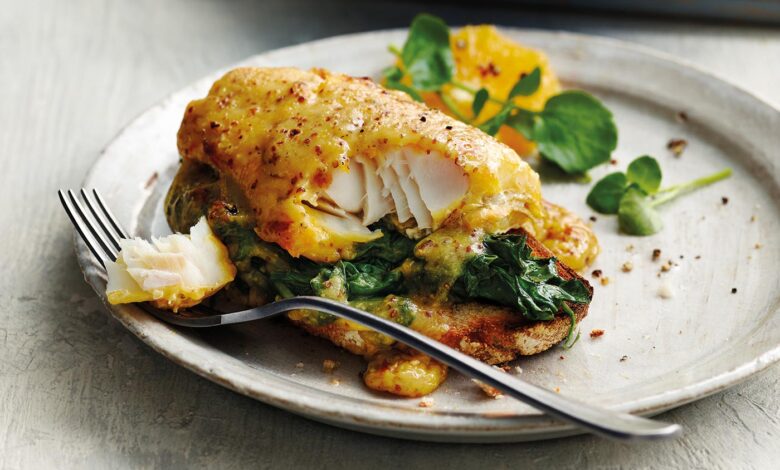
Smoked haddock is a beloved ingredient in British cuisine, known for its rich, smoky flavor and firm texture. Often featured in traditional dishes like kedgeree and fish pie, this versatile fish brings depth and character to a wide variety of meals. Unlike fresh haddock, which has a delicate, slightly sweet flavor, smoked haddock undergoes a curing and smoking process that intensifies its taste, giving it a distinctive aroma and a golden color that is instantly recognizable.
The popularity of smoked haddock is not only due to its taste but also its convenience. It comes pre-cooked from the smoking process, which allows for quick preparation while maintaining a rich, satisfying flavor. This makes it an ideal choice for busy home cooks seeking a healthy, protein-rich ingredient that can easily be incorporated into everyday meals. Additionally, smoked’haddock pairs beautifully with a range of flavors, from creamy sauces and fresh herbs to spices and citrus, making it suitable for both traditional and contemporary dishes.
This comprehensive guide will explore everything you need to know about smoked haddock, including its types, nutritional value, cooking techniques, popular recipes, and storage tips. By understanding the versatility and health benefits of smoked’haddock, home cooks can elevate their culinary repertoire, creating flavorful and satisfying meals with ease. Whether you are preparing a classic British breakfast or a modern twist on a seafood dish, smoked haddock is a reliable and delicious choice that deserves a spot in your kitchen.
Understanding Smoked Haddock
Smoked haddock is prepared by first curing the fish in a mixture of salt, sugar, and sometimes additional flavorings, followed by smoking over wood or other natural materials. The smoking process can be either hot or cold, each method imparting a unique texture and flavor profile. Hot-smoked’haddock is cooked during smoking, resulting in a flaky, ready-to-eat product with a strong smoky taste. Cold-smoked haddock, on the other hand, is smoked at lower temperatures without cooking, yielding a delicate, silky texture that may require further cooking before consumption.
The flavor and texture of smoked haddock make it a versatile ingredient in a wide variety of dishes. Its firm flesh holds together well during cooking, which is why it is ideal for casseroles, pies, and poached dishes. Its smoky notes can also enhance lighter recipes, such as salads or pasta, providing a distinctive depth that fresh fish alone cannot achieve. Smoked haddock’s rich golden color and subtle aroma make it a visually appealing and aromatic addition to any meal.
Storage is an important consideration when handling smoked haddock. When purchased fresh from a fishmonger, it should be kept refrigerated and consumed within a few days to ensure optimal taste and safety. Vacuum-packed smoked’haddock from supermarkets typically has a longer shelf life but should still be used promptly once opened. By understanding the differences in preparation and flavor, home cooks can select the right type of smoked haddock to suit their recipes and desired taste outcomes.
Nutritional Value and Health Benefits
Smoked haddock is not only delicious but also a highly nutritious food. It is an excellent source of high-quality protein, essential for muscle maintenance, immune function, and overall health. Its lean nature means it is relatively low in fat, though it contains beneficial omega-3 fatty acids that support heart and brain health. These omega-3s are known to reduce inflammation, improve cardiovascular function, and contribute to overall wellness, making smoked’haddock a heart-smart choice for regular consumption.
Vitamins and minerals in smoked haddock add to its nutritional appeal. It is rich in vitamin B12, which is essential for nerve function and red blood cell production, and vitamin D, which supports bone health and immune function. The fish is also a good source of selenium and iodine, both of which are important for thyroid function and metabolism. These nutrients make smoked’haddock not only a flavorful ingredient but also a health-promoting one, supporting multiple aspects of physical wellbeing.
While smoked haddock is nutritious, it is important to consider its sodium content. The smoking and curing process often adds salt, which enhances flavor but can contribute to higher sodium intake. Moderation and pairing with low-sodium ingredients can help manage this. Additionally, rinsing or lightly poaching the fish can reduce surface saltiness, ensuring it remains a healthy and balanced part of meals. By understanding the nutritional profile, home cooks can enjoy smoked haddock as both a tasty and health-conscious addition to their diet.
Cooking Techniques for Smoked Haddock
Smoked haddock is incredibly versatile, and mastering a few cooking techniques allows you to highlight its unique flavor and texture. Poaching is one of the gentlest methods, perfect for retaining moisture and creating tender, flaky fish. Simply simmer the fish in milk, water, or a light broth with aromatics such as onion, bay leaf, or peppercorns. This method is ideal for preparing traditional dishes like kedgeree or fish pie, as the poached fish remains delicate and flavorful.
Baking and roasting are also excellent options, allowing for easy preparation while keeping the fish moist. Place smoked haddock fillets in a baking dish with cream, butter, or a light sauce, and bake until just cooked through. This method is particularly effective when serving the fish alongside vegetables or grains, creating a complete and nutritious meal. Baking also allows for the addition of herbs, spices, or cheese to enhance the flavor profile without overwhelming the natural smokiness.
Pan-frying and grilling offer another dimension of texture, producing a lightly crisp exterior while preserving the moist interior. Lightly coat the fish with flour or seasoning and fry in a small amount of oil or butter until golden. Grilling can impart subtle charred notes that complement the smoky taste. Pairing smoked’haddock with sauces, such as mustard cream or lemon butter, and vegetables like spinach or peas enhances its flavor and makes it suitable for both weeknight dinners and special occasions.
Smoked Haddock Recipes
Classic British dishes showcase smoked haddock in its best light. Kedgeree, a traditional breakfast or brunch dish, combines poached smoked’haddock with rice, boiled eggs, and curry spices for a flavorful, satisfying meal. Fish pie, a comforting dinner option, layers smoked’haddock with mashed potatoes, cream, and herbs, baked until golden. Smoked haddock chowder uses chunks of fish in a creamy soup base with potatoes, onions, and celery for a hearty dish perfect for cooler months.
Breakfast recipes often feature smoked haddock alongside eggs. Poached or scrambled eggs served with lightly poached smoked haddock make for a protein-packed, flavorful start to the day. For a modern twist, smoked haddock can be flaked into salads, tossed with pasta, or incorporated into risotto, adding a depth of flavor without overpowering other ingredients. Leftovers can also be creatively used in fritters, fish cakes, or sandwiches, maximizing the utility of this versatile ingredient.
Flavor balancing is key in smoked haddock dishes. Its natural smokiness pairs well with creamy or acidic elements, such as cream, butter, lemon, or yogurt, to create harmony on the palate. Herbs like parsley, dill, and chives complement its flavor, while spices like paprika or nutmeg add warmth. These combinations allow for both traditional and innovative recipes, ensuring smoked’haddock remains a favorite in home kitchens.
Buying and Storing Smoked Haddock
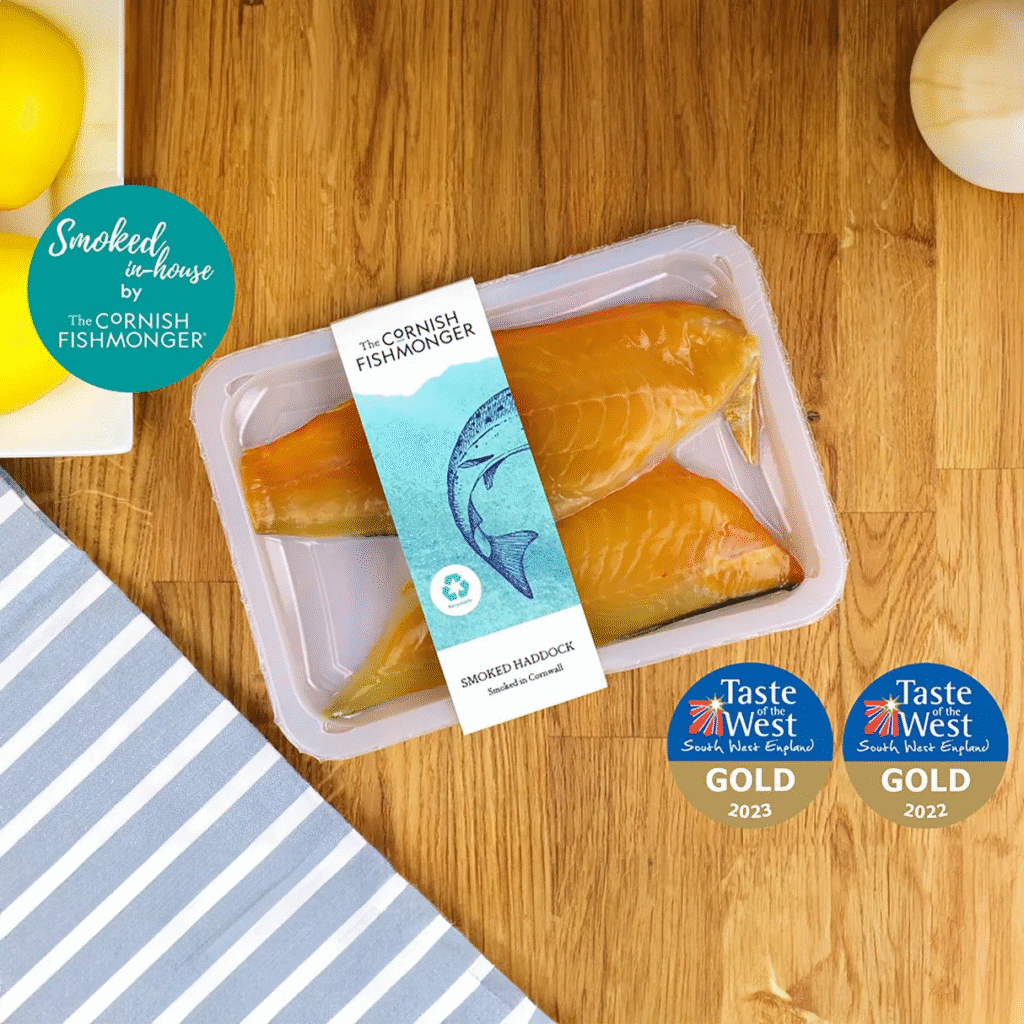
When purchasing smoked haddock, quality and freshness are paramount. Look for firm, moist fillets with a golden hue and a subtle smoky aroma. Avoid fish that appears dry, overly salty, or discolored, as these may indicate poor storage or inferior quality. Fishmongers can provide guidance on sourcing responsibly and selecting the best fillets for your intended dishes.
Proper storage ensures the fish remains safe and flavorful. Unopened vacuum-packed smoked haddock can be refrigerated for up to a week, while opened fillets should be consumed within a few days. Freezing is an excellent option for longer storage; wrap the fillets tightly in plastic wrap or foil and place in an airtight container or freezer bag. Frozen smoked’haddock can last up to three months without significant loss of flavor or texture.
Sustainability considerations are increasingly important when choosing seafood. Look for certifications or ask your supplier about the sourcing of smoked’haddock to ensure it comes from responsibly managed fisheries. This approach supports environmental sustainability while providing peace of mind that the fish on your plate is ethically sourced. By combining careful selection, proper storage, and attention to sustainability, smoked haddock can be a safe, flavorful, and responsible choice for your meals.
Conclusion
Smoked haddock is a versatile, flavorful, and nutritious ingredient that deserves a prominent place in the kitchen. From traditional British dishes like kedgeree, fish pie, and chowder to modern twists in salads, pasta, and risotto, smoked haddock offers endless culinary possibilities. Its unique smoky flavor, firm texture, and nutritional benefits make it ideal for both everyday meals and special occasions.
By understanding the different types of smoked’haddock, mastering cooking techniques, and incorporating it into diverse recipes, home cooks can create dishes that are both delicious and healthful. Proper buying, storage, and sustainable sourcing further enhance its appeal. With a little creativity, smoked haddock can transform simple meals into memorable culinary experiences, making it a reliable and exciting ingredient for any kitchen.
Frequently Asked Questions (FAQs)
What is smoked haddock and how is it different from fresh haddock?
Smoked haddock is haddock that has been cured and smoked, giving it a stronger flavor and golden color, whereas fresh haddock is delicate and mild.
What are the differences between hot-smoked and cold-smoked’haddock?
Hot-smoked haddock is cooked during smoking and ready to eat, while cold-smoked’haddock is smoked at low temperatures and usually requires further cooking.
How long does smoked haddock last in the fridge?
Typically 3–5 days for opened fish and up to a week for unopened vacuum-packed fillets.
Can smoked haddock be eaten cold or only cooked?
Hot-smoked haddock can be eaten cold or cooked, while cold-smoked usually requires cooking before consumption.
What are some easy smoked haddock recipes for beginners?
Simple recipes include poached smoked haddock, kedgeree, fish pie, or smoked’haddock with scrambled eggs.
Is smoked haddock healthy?
Yes, it is high in protein, low in fat, and rich in omega-3 fatty acids, vitamins, and minerals.
Can smoked’haddock be frozen safely?
Yes, tightly wrapped smoked’haddock can be frozen for up to three months.
How can I reduce the saltiness of smoked haddock in recipes?
Rinse the fish, poach in water or milk, or use low-sodium ingredients in cooking to balance flavor.
You May Also Read: Cavolo Nero Recipe