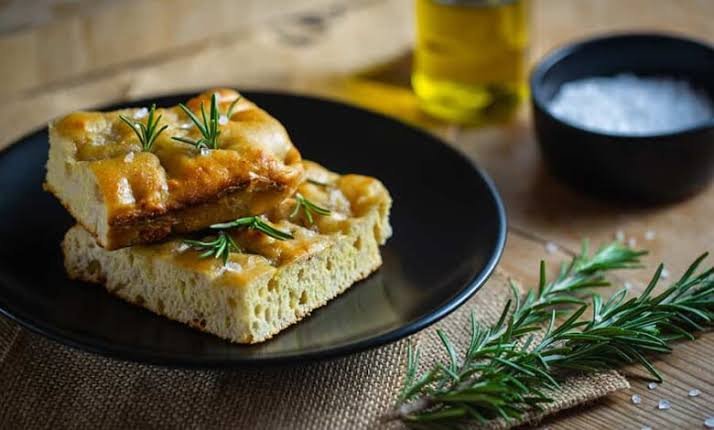
Choosing the best bread UK shoppers can buy in 2026 involves more than picking the most familiar brand on the shelf. British supermarkets now offer everything from soft sliced loaves and wholemeal bread to seeded options, rye, sourdough and premium bakery-style products. Independent bakeries add even more variety, with traditionally fermented loaves, regional recipes and speciality breads. The right choice therefore depends on how you plan to use it, what texture you enjoy, how carefully you check nutritional information and whether convenience or artisan quality matters most.
A loaf that works perfectly for weekday sandwiches may not be the best bread for toast, soup or a weekend breakfast. Price is important, but so are fibre, salt, ingredients, freshness, crust, crumb and storage life. Current UK testing also shows that apparently similar breads can perform very differently in taste and nutritional comparisons. Rather than declaring one loaf suitable for everyone, this guide compares useful categories and explains what to look for so you can make a better decision in the supermarket or bakery.
Best Bread UK Choices at a Glance
For shoppers who want a quick starting point, it makes sense to compare bread by purpose rather than simply by brand. Soft sliced loaves remain practical for packed lunches, while wholemeal and higher-fibre breads are useful for people who want a more substantial everyday option. Seeded bread adds texture and flavour, whereas sourdough is often chosen for its chewy crumb, firmer crust and distinctive fermented character. Artisan bread is usually strongest when freshness and flavour matter more than shelf life, while supermarket bread often wins on convenience, consistent slicing and availability.
Current UK testing reinforces the importance of comparing individual loaves rather than assuming that one bread type or premium label guarantees better quality. In a 2026 blind taste test of 11 supermarket sourdough loaves involving 71 tasters, Which? awarded its highest scores to Co-op Irresistible Hand Finished White Sourdough at 73% and Tesco Finest White Sourdough at 72%, while several branded and premium-priced alternatives scored lower. This shows why practical testing and product-specific comparison are more useful than relying on reputation alone.
| Bread Type | Best Suited For | Main Strength | What to Check |
| Wholemeal | Daily sandwiches and toast | Usually higher in fibre | Fibre and salt per 100g |
| Seeded | Savoury sandwiches and breakfast | Texture and varied ingredients | Seed content and calories |
| Sourdough | Toast, soup and open sandwiches | Distinctive flavour and chewy texture | Ingredients and fermentation method |
| Soft sliced bread | Packed lunches and family use | Convenience and consistency | Fibre, salt and portion size |
| Artisan loaf | Weekend meals and sharing | Fresh crust and deeper flavour | Freshness and how quickly you will use it |
Best Supermarket Bread in the UK
The best supermarket bread UK shoppers choose will vary according to taste and intended use, but current testing provides a useful reference point. Co-op Irresistible Hand Finished White Sourdough and Tesco Finest White Sourdough performed particularly well in Which?’s 2026 sourdough taste test, while Morrisons The Best White Sourdough Sliced Half Boule followed with a score of 67%. The results are useful because the breads were judged blind rather than selected according to branding, advertising or shelf position, giving shoppers a more practical basis for comparison.
Traditional sliced bread still deserves a place in a useful UK bread guide. Families often need a loaf that stays manageable for several days, fits easily into lunchboxes and toasts consistently. Hovis Seed Sensations Original, for example, contains a 13% seed mix and provides 5.3g of fibre and 10g of protein per 100g, according to the manufacturer’s current nutritional information. Its 0.88g of salt per 100g also illustrates why reading the full nutrition panel is worthwhile: seeded bread can offer useful fibre and texture, but shoppers should still compare salt and serving sizes rather than assuming every seeded loaf is nutritionally identical.
Best Wholemeal, Brown and Seeded Bread
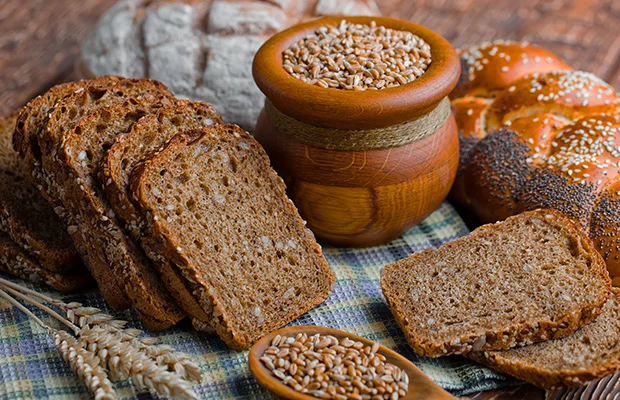
Wholemeal bread is one of the most useful places to start when looking for an everyday loaf with more fibre, but packaging can be confusing. “Brown,” “malted,” “seeded,” “multigrain” and “wholemeal” do not mean exactly the same thing. A shopper who wants wholemeal bread should check whether wholemeal flour is actually a major ingredient instead of judging the loaf by colour. Seeded bread can add flavour and texture, but the nutritional profile still depends on the complete recipe, including the amount of fibre, salt, sugar, fat and protein contained in each product.
This difference became clear in Which?’s 2026 analysis of 60 sliced brown, wholemeal, malted, seeded, blended and rye loaves. Thirteen achieved the highest possible score of 80 under the nutritional profiling method used, and 11 of those 13 were wholemeal products. The analysis considered factors such as fibre, protein, saturated fat, salt and sugar rather than simply looking at colour or marketing claims. For shoppers, the practical lesson is straightforward: compare the nutrition panel per 100g and treat terms such as “brown” or “multigrain” as descriptions, not guarantees of superior nutritional quality.
Best Sourdough Bread UK Shoppers Can Buy
Sourdough deserves separate attention because the term now covers a wide range of products. Traditional sourdough develops through fermentation with a starter culture, but supermarket methods and recipes can vary substantially. Some packaged products include additional ingredients or manufacturing processes that help achieve sourdough-style flavour and texture more efficiently. Which? noted in 2026 that supermarket sourdough can differ from bakery sourdough and that comparing the ingredient list and price per kilogram is useful, particularly because supermarket products are not always dramatically cheaper once loaf size is taken into account.
For shoppers who want convenience, the 2026 taste-test results make Co-op Irresistible and Tesco Finest useful supermarket starting points, although personal preference still matters. Texture, acidity, crust thickness and crumb density can divide opinion even among highly rated loaves. Someone who prefers mild sandwich bread may find an assertive sourdough too chewy or sharp, while a person who enjoys toast with eggs, soup or mature cheese may appreciate that stronger structure. The best sourdough is therefore one that combines good flavour with the right texture for how you actually intend to eat it.
Artisan Bread and Britain’s Best Loaf 2026
Britain’s independent baking scene remains important because artisan bread offers qualities that supermarket products cannot always reproduce, particularly bread sold close to the time it leaves the oven. Fresh bakery loaves often emphasise crust development, fermentation, grain character and distinctive regional or international techniques. Instead of presenting a random list of fashionable bakeries, a stronger way to understand the current artisan market is to look at recognised competition results alongside local recommendations, then judge individual breads by freshness, flavour, texture and suitability for your own meals.
Britain’s Best Loaf 2026 named the Cantabric Ogi Baguette from Imma The Bakery as the overall winner after a competition involving more than 200 loaves. The same event recognised separate winners for plain sourdough, seeded sourdough, wholegrain, white, gluten-free and other categories. That variety is important because it demonstrates that excellent bread does not belong to one style. A carefully made white loaf, wholegrain bread or gluten-free recipe can be outstanding when judged within its purpose rather than being compared according to a single fashionable definition of “best.”
How to Choose the Best Bread for Your Needs
Start with the meal rather than the marketing. For packed lunches, evenly sliced bread with enough structure to hold fillings is usually more practical than an open-crumb artisan loaf. For toast, a thicker wholemeal, sourdough or seeded slice can provide better texture. Rye and dense grain breads work particularly well with savoury toppings, while soft white or 50/50 bread may be easier for children or simple sandwiches. If you buy bread mainly for soup, cheese boards or weekend breakfasts, paying more for a fresh bakery loaf can make more sense because flavour and crust become a larger part of the meal.
Nutritional priorities require a different comparison. If fibre matters, examine fibre per 100g rather than assuming all brown-looking loaves are similar. Check salt as well, because two otherwise comparable breads can contain noticeably different amounts. Ingredients matter when you specifically want a traditionally fermented sourdough or a high proportion of wholemeal flour. Finally, consider waste: an expensive artisan loaf is poor value if half of it becomes stale. Buying the appropriate size or freezing sliced portions can make a higher-quality bread more economical over time.
How to Store Bread Without Ruining Its Texture
Bread storage should match the type of loaf you buy. Crusty artisan bread is normally best enjoyed relatively soon after purchase because its contrast between crisp crust and moist crumb changes as it sits. Keeping it protected at room temperature helps prevent rapid drying, although trapping too much moisture can soften the crust. Packaged sliced bread is designed differently and should be stored according to its label. Refrigerating bread is not usually the first choice for preserving eating quality because the crumb can firm and stale more quickly under normal refrigeration conditions.
Freezing is often the most practical option when you cannot finish a loaf in time. Slice the bread first, separate portions if necessary and freeze them while the loaf is still fresh rather than waiting until it has already deteriorated. Individual slices can then be removed for toast or thawed as needed. This is particularly useful for people who live alone, buy larger supermarket loaves or occasionally purchase expensive bakery bread. Better storage does more than reduce waste; it also allows you to choose bread according to quality rather than being forced to buy only products with the longest shelf life.
Conclusion
The best bread UK shoppers can buy in 2026 depends on what they expect from each loaf. Current testing shows that supermarket sourdough quality varies considerably, while nutritional comparisons demonstrate that even breads marketed as brown or wholesome can differ in fibre, protein, salt and other characteristics. Wholemeal bread is a strong everyday starting point for many households, seeded loaves offer additional texture, soft sliced bread remains highly practical, and sourdough can provide a more distinctive eating experience when flavour and crust matter.
Rather than choosing bread because a label says “artisan,” “multigrain,” “premium” or “sourdough,” compare the actual product. Look at ingredients and nutrition, think about the meal, consider how quickly the loaf will be eaten and decide whether convenience or bakery freshness matters more. That approach makes it easier to find bread that genuinely suits your household instead of paying extra for qualities you do not need. A good loaf is ultimately one that performs well on the plate, fits your budget and is eaten rather than wasted.
FAQ
What is the best bread to buy in the UK?
Wholemeal, seeded, sourdough, and quality sliced loaves are all good choices depending on your needs.
Which supermarket bread is best in the UK?
Tesco, Co-op, Hovis, Warburtons, and other major brands offer strong options across different bread types.
Is wholemeal bread healthier than white bread?
Wholemeal bread usually contains more fibre, but you should also compare salt, sugar, and ingredients.
Is sourdough better than regular bread?
Sourdough offers a distinctive flavour and fermentation process, but quality varies between products.
How should bread be stored to keep it fresh?
Keep it properly covered at room temperature and freeze extra slices if you will not use them soon.
You May Also Read: Affordable Colored Pencils