A Head of Risk is a senior business leader responsible for identifying, evaluating, and managing risks that could affect an organisation’s performance, financial stability, reputation, and long-term goals. The role has become increasingly important as companies face complex challenges including cyber threats, regulatory changes, economic uncertainty, technological disruption, and global market volatility. Modern Heads of Risk do not simply prevent problems; they help organisations make smarter decisions by understanding uncertainty and creating strategies that balance risk with growth opportunities.
In the past, risk management was often viewed as a compliance-focused function that mainly responded after problems occurred. Today, the Head of Risk plays a much more strategic role by working with executives, boards, and business teams to identify potential threats before they become serious issues. They analyse business decisions, develop risk strategies, and ensure that companies are prepared for unexpected events while continuing to pursue innovation and expansion.
The exact responsibilities of a Head of Risk depend on the organisation and industry. In large corporations, the role may focus on enterprise-wide risk management and governance, while smaller organisations may combine risk leadership with compliance or operational responsibilities. Regardless of company size, the main purpose remains the same: helping businesses understand, control, and respond to risks effectively.
Key Responsibilities of a Head of Risk
The responsibilities of a Head of Risk cover multiple areas because modern organisations face different types of threats. One of their primary duties is creating and maintaining an effective risk management framework. This framework defines how risks are identified, measured, monitored, and controlled across the organisation. It includes policies, reporting structures, risk assessments, and procedures that allow teams to make decisions based on reliable information.
A Head of Risk also oversees different categories of risk, including financial risk, operational risk, regulatory risk, technology risk, cybersecurity risk, and reputational risk. For example, in financial services, they may analyse credit exposure and market changes, while in technology companies they may focus on data protection, artificial intelligence risks, and cybersecurity vulnerabilities. Their ability to understand different risk areas allows them to create strategies suited to business needs.
Another important responsibility is communicating risk information to senior leadership. A Head of Risk must present complex information in a clear and practical way so executives can understand potential consequences before making important decisions. They often work with finance teams, legal departments, compliance officers, internal auditors, and operational leaders to create a complete view of organisational risk.
A Day in the Life of a Head of Risk
The daily work of a Head of Risk involves analysing information, reviewing business decisions, monitoring emerging threats, and advising leadership teams. A typical day may include meetings with executives, reviewing risk reports, discussing regulatory updates, analysing market developments, and assessing whether current strategies align with the organisation’s risk appetite. Unlike some operational roles, much of their work involves strategic thinking and decision support.
A Head of Risk may also spend time reviewing key risk indicators (KRIs), evaluating incidents, and ensuring that departments are following established risk procedures. If a company is launching a new product, entering a new market, or adopting a new technology, the Head of Risk helps identify possible challenges and recommends ways to manage them effectively.
The role requires a balance between independence and collaboration. Risk leaders must provide honest assessments even when their recommendations challenge business plans. At the same time, they must work closely with teams to find practical solutions rather than simply identifying problems. This combination of critical thinking and communication makes the role highly influential within modern organisations.
How a Head of Risk Builds Enterprise Risk Management Strategy
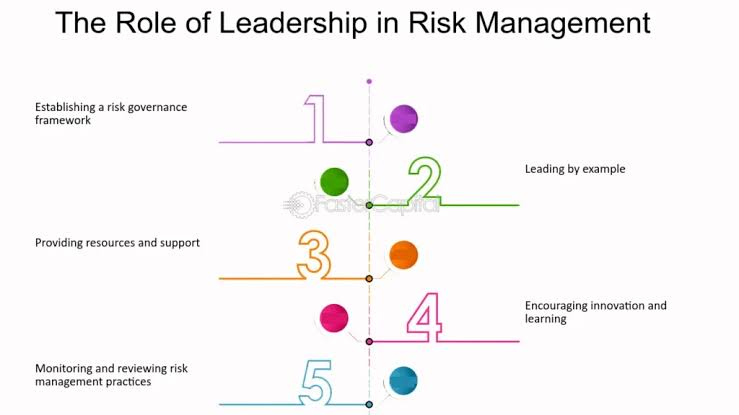
One of the most important responsibilities of a Head of Risk is developing an Enterprise Risk Management (ERM) strategy. ERM provides a structured approach for understanding risks across an entire organisation rather than managing individual problems separately. Through ERM, companies can connect risk management with business objectives, helping leaders make informed decisions while pursuing growth.
A strong risk strategy usually includes risk assessments, risk appetite statements, scenario planning, stress testing, and ongoing monitoring. The Head of Risk ensures that these systems remain effective as business conditions change. For example, a company expanding internationally may face new regulatory, financial, and operational challenges that require adjustments to its existing risk framework.
Modern risk leaders also use technology and data analytics to improve decision-making. Digital tools can help organisations identify patterns, predict potential threats, and respond faster to changing conditions. As businesses become more dependent on technology, the Head of Risk increasingly works with cybersecurity and data teams to manage digital risks.
Essential Skills Required for a Successful Head of Risk
A successful Head of Risk needs a combination of technical knowledge, leadership ability, and strategic thinking. Analytical skills are essential because risk professionals must evaluate complex information, identify trends, and understand how different events could affect business performance. They need the ability to examine financial data, operational reports, and external developments to provide accurate recommendations.
Communication skills are equally important because risk leaders often explain complex issues to people without specialist knowledge. A Head of Risk must communicate effectively with board members, executives, employees, regulators, and external stakeholders. The ability to influence decisions while maintaining professional independence is one of the most valuable qualities in this position.
Technology awareness has also become increasingly important. Modern Heads of Risk need knowledge of cybersecurity, artificial intelligence, data governance, and digital transformation. As companies adopt new technologies, risk leaders must understand both the benefits and potential vulnerabilities created by innovation.
Qualifications and Career Path to Become a Head of Risk
There is no single route to becoming a Head of Risk, but most professionals develop their careers through education, industry experience, and specialised risk training. Many senior risk leaders have backgrounds in finance, economics, business management, auditing, compliance, law, or related fields. A strong understanding of how organisations operate is essential because risk decisions often affect multiple areas of a business.
Professional certifications can improve career opportunities for risk specialists. Qualifications such as the Financial Risk Manager (FRM), Professional Risk Manager (PRM), Certified Risk Management Professional (RIMS-CRMP), and other recognised programmes can demonstrate expertise in risk principles. However, experience remains one of the most important factors because senior roles require judgement, leadership, and the ability to handle complex situations.
A typical career path may begin with positions such as Risk Analyst, Compliance Analyst, Internal Auditor, Risk Consultant, or Risk Manager. With increasing experience, professionals may move into senior roles such as Senior Risk Manager, Director of Risk, and eventually Head of Risk or Chief Risk Officer. Building expertise across different risk areas can significantly improve opportunities for advancement.
Head of Risk Salary and Career Opportunities
The salary of a Head of Risk depends on several factors, including industry, location, company size, professional experience, and level of responsibility. Senior risk leaders working in financial services, insurance, technology, and multinational organisations often receive higher compensation because they manage complex risks that can have significant financial consequences.
In major business markets, experienced Heads of Risk may receive competitive salary packages that include bonuses, benefits, and executive-level incentives. Professionals with strong backgrounds in regulatory compliance, cybersecurity risk, enterprise risk management, and strategic leadership often have stronger earning potential because these skills are highly valuable to organisations.
Career opportunities for Heads of Risk continue expanding because businesses increasingly recognise the importance of resilience and responsible decision-making. Organisations across banking, healthcare, technology, energy, manufacturing, and government sectors require skilled risk leaders who can help them manage uncertainty and prepare for future challenges.
Head of Risk Responsibilities Across Different Industries
The role of a Head of Risk changes depending on the industry because different sectors face different challenges. In banking and financial services, risk leaders focus heavily on credit risk, market risk, liquidity risk, regulatory requirements, and financial stability. They help institutions maintain compliance while managing complex financial decisions.
In technology companies, the focus is often on cybersecurity, data privacy, artificial intelligence governance, and digital operational risks. A Head of Risk in this sector must understand how innovation creates new opportunities but also introduces vulnerabilities that need careful management.
Healthcare organisations require risk leaders who understand patient safety, regulatory standards, operational challenges, and compliance obligations. Manufacturing companies often focus on supply chain risks, workplace safety, quality control, and operational continuity. These examples show why Heads of Risk need broad business knowledge alongside specialist expertise.
Challenges Faced by Modern Heads of Risk
Modern Heads of Risk operate in an environment where risks change quickly and often appear unexpectedly. Cyberattacks, economic uncertainty, climate-related challenges, geopolitical issues, and regulatory developments require constant monitoring and strategic adjustment. Risk leaders must stay informed and ensure organisations are prepared for different scenarios.
One of the biggest challenges is balancing risk control with business growth. Companies cannot avoid every risk because innovation requires calculated decisions. A strong Head of Risk understands that the goal is not to eliminate risk completely but to help organisations take informed risks while maintaining appropriate protections.
Another challenge is creating a strong risk culture throughout the organisation. Risk management cannot succeed if it only exists within one department. Employees across all levels need to understand their role in identifying problems, following procedures, and reporting concerns. Effective Heads of Risk encourage transparency, accountability, and proactive thinking.
The Future of the Head of Risk Role
The future of the Head of Risk role will continue changing as businesses become more digital and interconnected. Artificial intelligence, automation, advanced analytics, and emerging technologies will create new opportunities for improving risk management while also introducing new challenges. Future risk leaders will need to understand technology and use data-driven insights to support better decisions.
Risk management is also becoming more strategic. Instead of focusing only on compliance and prevention, Heads of Risk are increasingly involved in business planning, innovation decisions, and long-term strategy. Organisations now view strong risk leadership as a competitive advantage because it allows them to respond faster and operate with greater confidence.
As uncertainty continues increasing across global markets, the demand for skilled risk professionals will remain strong. Businesses that invest in experienced risk leaders will be better prepared to manage disruption, protect their operations, and identify opportunities in changing environments.
Conclusion
The Head of Risk is one of the most important leadership roles in modern organisations. This position combines risk management expertise, strategic thinking, communication skills, and business understanding to help companies navigate uncertainty successfully. From developing risk frameworks to advising executives, Heads of Risk play a vital role in protecting organisations while supporting responsible growth.
As businesses face increasing technological, regulatory, and operational challenges, the importance of effective risk leadership will continue growing. A successful Head of Risk does not simply identify threats; they help organisations understand uncertainty, make smarter decisions, and build long-term resilience.
FAQs
What does a Head of Risk do?
A Head of Risk identifies potential threats, develops risk strategies, manages risk frameworks, advises leadership teams, and helps organisations make informed decisions.
What qualifications are needed to become a Head of Risk?
Most Heads of Risk have experience in finance, business, compliance, auditing, or risk management. Professional certifications such as FRM, PRM, or other risk qualifications can support career development.
How much does a Head of Risk earn?
A Head of Risk salary depends on industry, location, experience, and company size. Senior positions in financial services, technology, and multinational companies often provide higher compensation packages.
What skills should a Head of Risk have?
A successful Head of Risk needs analytical thinking, leadership skills, communication ability, regulatory knowledge, strategic planning skills, and awareness of technology risks.
What is the difference between Head of Risk and Chief Risk Officer?
A Head of Risk may lead a risk department or specific risk function, while a Chief Risk Officer usually manages enterprise-wide risk strategy and reports directly to senior executives or the board.
What industries hire Heads of Risk?
Banks, insurance companies, technology firms, healthcare organisations, manufacturing businesses, energy companies, and government institutions all require experienced risk leaders.
You May Also Read: Dan Sodergren