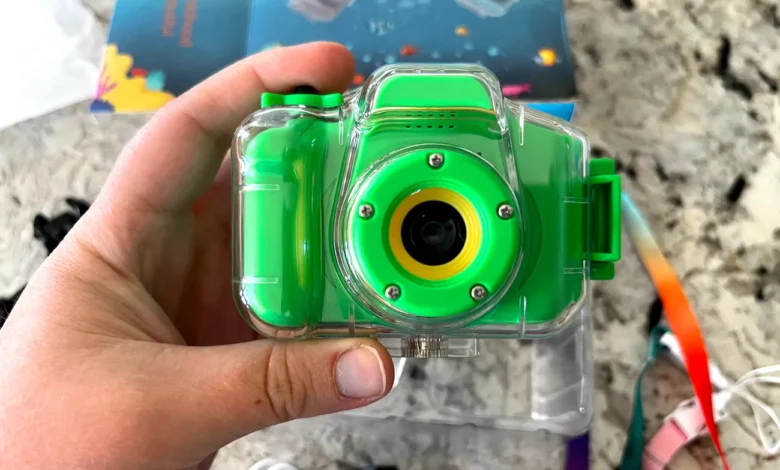
In today’s digital world, introducing children to photography has become increasingly popular. Kids cameras are designed specifically to meet the needs of young users, combining fun, safety, and creativity in a compact, easy-to-use device. Unlike standard cameras, these devices focus on durability, intuitive controls, and features that make learning photography enjoyable. Parents now have access to a wide range of cameras that encourage imagination while also teaching children technical skills like framing, composition, and basic photo editing.
Using a kids camera offers more than just entertainment. Photography can enhance cognitive development, improve hand-eye coordination, and foster observational skills. Children learn to focus on details, experiment with angles, and express themselves visually. It also encourages patience and creativity as they explore different subjects and settings. By giving kids their own camera, parents can limit their use of smartphones, which are often associated with distractions, while promoting a hobby that combines fun with skill-building.
Moreover, kids cameras come in a variety of models, each tailored to different age groups and experience levels. From simple point-and-shoot devices for toddlers to advanced rugged cameras for adventurous kids, there is a device to suit every child’s personality and interest. This guide will explore the different types of kids cameras, the features to look for, popular brands, and practical advice on choosing the right camera, ensuring that both fun and safety are maximized.
Types of Kids Cameras
Digital Cameras
Digital cameras for kids are typically small, lightweight, and extremely user-friendly. They provide basic point-and-shoot functionality, allowing children to focus on capturing images without getting overwhelmed by complex settings. These cameras often feature simple menus, large buttons, and clear displays, making them suitable for beginners. Parents can choose digital models with added durability, ensuring the camera can withstand accidental drops and rough handling.
The primary benefit of digital cameras is their versatility. Children can experiment with different subjects, learn composition, and even shoot videos. Many digital kids cameras offer built-in games or photo filters, which add a playful element to photography. Additionally, photos are stored digitally, allowing children to review their work immediately and share it with family or friends, encouraging positive feedback and motivation.
Digital cameras are generally ideal for children aged 5 to 12. They strike a balance between affordability and functionality, offering enough features to spark creativity without the complexity of professional cameras. By starting with a digital kids camera, parents can gradually teach their children the basics of photography, preparing them for more advanced cameras later.
Instant Cameras
Instant cameras bring the magic of immediate photo prints to children, making photography a tactile and engaging experience. Unlike digital cameras, instant cameras allow kids to see the results of their shots instantly, which can be highly rewarding and encourages experimentation. These cameras are particularly popular for parties, school activities, and family outings.
While instant cameras offer fun and creativity, they come with some limitations. The cost of instant film can add up, and the cameras themselves often have fewer digital features. However, many models now combine instant printing with basic digital functions, giving kids the best of both worlds. Instant cameras are particularly suitable for children aged 7 to 14, who can appreciate both the novelty of printed photos and the opportunity to explore creative compositions.
Action and Adventure Cameras
For kids who love outdoor activities and adventure, action cameras are the ideal choice. These cameras are typically waterproof, shockproof, and designed to withstand rough handling, making them perfect for active children. They often come with mounts for bicycles, skateboards, and even swimming gear, allowing kids to document their adventures in real time.
Action cameras also introduce children to video recording and basic editing skills. They are designed with durability in mind, featuring reinforced casings and impact-resistant materials. While slightly more expensive than basic digital or instant cameras, action cameras offer long-term value by providing a robust platform for creative exploration, especially for children interested in extreme sports or travel experiences.
Toy Cameras
Toy cameras are a fun and budget-friendly option for younger children, typically ages 3 to 6. These cameras focus on creativity rather than technical photography, often featuring oversized buttons, colorful designs, and playful interfaces. While image quality may be limited, the primary goal is to engage children and spark interest in photography.
Toy cameras encourage imaginative play, help develop fine motor skills, and introduce children to basic concepts like pointing, framing, and pressing a shutter button. They are lightweight, safe, and often built from durable plastic to withstand rough handling. These cameras provide an excellent starting point for toddlers before moving on to more advanced models.
Key Features to Look for in a Kids Camera
Durability and Build Quality
Durability is one of the most important considerations when choosing a kids camera. Children can be unpredictable, so cameras should be shockproof, drop-proof, and constructed with strong, child-safe materials. Waterproof models add extra security, allowing kids to explore photography in various environments without risking damage. High-quality build ensures longevity, making the camera a worthwhile investment.
Ease of Use
Ease of use is critical for young photographers. Look for large, clearly labeled buttons, simple menus, and ergonomic designs suitable for small hands. Age-appropriate controls ensure that children can focus on taking pictures rather than struggling with complicated settings. Some cameras even feature voice prompts or guided tutorials, further simplifying the experience for beginners.
Camera Specifications
While kids don’t need professional-grade resolution, features such as megapixels, video recording, zoom, and storage options can enhance the experience. Adequate battery life and easy recharging options are also essential, ensuring uninterrupted fun. Cameras with expandable memory or SD card slots are ideal for children who take many photos or videos.
Fun and Creative Features
Cameras that include filters, frames, stickers, and simple editing tools make photography more engaging. Gamified elements or interactive features encourage kids to experiment creatively, boosting confidence and skills. These features make photography enjoyable and can inspire children to develop a long-term interest in visual arts.
Safety and Parent-Friendly Features
Safety is paramount. Cameras with limited internet connectivity protect children’s privacy, while simple parental controls allow parents to monitor usage and ensure appropriate content. Non-toxic materials and rounded edges further enhance safety for younger users.
How to Choose the Right Kids Camera
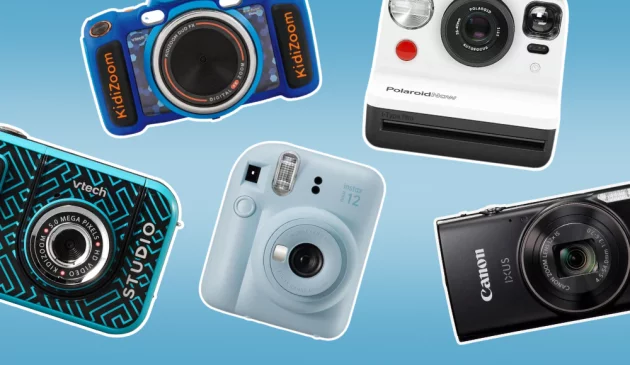
Selecting the right kids camera depends on age, skill level, and intended use. Younger children benefit from toy or basic digital cameras, while older children may enjoy instant or action cameras for creative projects and adventure activities. Budget considerations also play a role; parents should balance affordability with features and durability.
It’s important to match the camera with your child’s interests. For example, a child who loves outdoor sports may prefer a rugged action camera, while a creative child interested in storytelling may enjoy an instant camera. Starting with a simple, easy-to-use camera allows children to learn gradually, building confidence before moving on to more advanced devices.
Benefits of Kids Cameras
Kids cameras offer numerous benefits beyond entertainment. They promote creativity, observation, and problem-solving skills. Children learn to compose shots, experiment with perspectives, and think critically about what they capture. Photography can also improve hand-eye coordination, fine motor skills, and patience.
Additionally, using a kids camera encourages children to explore their environment, document experiences, and share their creations with family and friends. Unlike smartphones, these cameras provide a dedicated tool for learning and play, reducing screen time while fostering educational development.
Popular Kids Camera Brands and Models
Several brands specialize in kids cameras, offering options that combine safety, durability, and fun. Popular models include the VTech Kidizoom, Fujifilm Instax Mini, Nikon Coolpix W150, and GoPro Hero for Kids. Each brand offers unique features, from instant prints to waterproof adventure capabilities. Comparing models based on age suitability, creative features, and durability ensures parents select the best camera for their child’s needs.
Tips for Using and Maintaining a Kids Camera
To maximize the lifespan of a kids camera, teach children proper handling and care. Encourage gentle cleaning with a soft cloth, safe storage when not in use, and avoiding exposure to extreme temperatures. Regularly check batteries or rechargeable power sources and ensure memory cards are formatted properly. Parents can also guide children in basic photography techniques, fostering skill development while keeping the experience fun.
Conclusion
Kids cameras are more than toys—they are educational tools that nurture creativity, observation, and technical skills. With the wide variety of options available, parents can choose cameras that suit their child’s age, interests, and level of expertise. Whether opting for a durable action camera, a fun instant printer, or a beginner-friendly digital model, investing in a kids camera encourages exploration, creativity, and a love for photography that can last a lifetime.
Frequently Asked Questions (FAQs)
What is the best age to introduce a kids camera? Ages 3–5 for toy cameras, 5–12 for digital or instant cameras.
Are kids cameras durable enough for rough use? Yes, most are designed to be shockproof, drop-proof, and kid-friendly.
Should I buy a digital or instant camera for my child? Digital for versatility and learning, instant for fun prints and creativity.
How do I ensure the camera is safe and child-friendly? Look for non-toxic materials, limited connectivity, and parental controls.
Can kids cameras be used outdoors and underwater? Many action cameras are waterproof and designed for outdoor use.
What features make a kids camera fun and engaging? Filters, stickers, frames, games, and interactive elements.
Are there affordable options for kids cameras? Yes, toy cameras and basic digital cameras are budget-friendly.
How can a kids camera help my child learn photography? It teaches composition, framing, perspective, and creative expression.
How do I maintain and care for a kids camera? Keep it clean, store safely, check batteries, and guide proper handling.
Are kids cameras better than letting kids use a smartphone? Yes, they focus on photography skills, reduce screen time, and are more durable.
You May Also Read: Square Card Reader