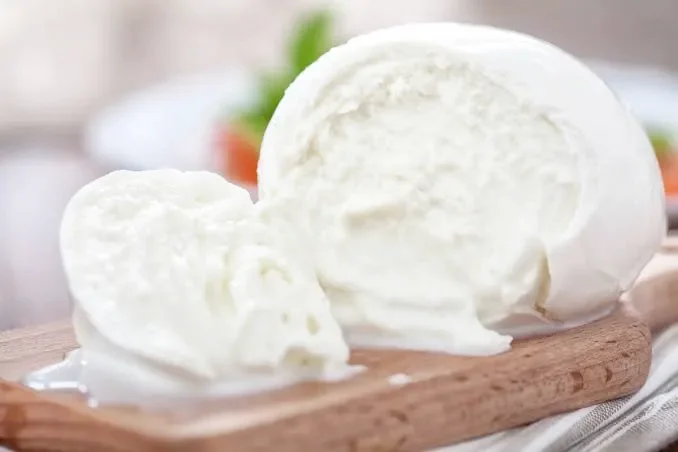
Fior di latte is a fresh, soft mozzarella cheese made from cow’s milk, celebrated for its delicate flavor, creamy texture, and versatility in Italian cuisine. While buffalo mozzarella often steals the spotlight, fior di latte has gained popularity worldwide due to its mild, milky taste and ability to complement a variety of dishes. Its name, which translates to “flower of milk,” reflects the cheese’s pure, fresh, and natural qualities.
This cheese is especially renowned for its use in pizzas, salads, and appetizers, bringing a fresh, soft texture that contrasts beautifully with crisp crusts or tangy tomatoes. Its subtle flavor allows it to blend seamlessly with herbs, vegetables, and cured meats without overpowering other ingredients. Fior di latte has also become a favorite in home kitchens and gourmet restaurants alike, where its fresh, smooth consistency adds a touch of elegance to any dish.
Moreover, fior di latte embodies a culinary tradition that extends beyond taste. It represents Italian heritage, artisanal craftsmanship, and a focus on high-quality dairy products. Understanding fior di latte—from its history to its production methods—helps enthusiasts appreciate its uniqueness and make informed choices when cooking or buying it. This guide explores all aspects of fior di latte, including its culinary uses, nutritional benefits, and tips for storage and serving, ensuring both food lovers and home cooks can enjoy it to its fullest potential.
What is Fior di Latte?
Fior di latte is a fresh mozzarella cheese derived primarily from cow’s milk, unlike the traditional mozzarella di bufala, which uses water buffalo milk. It is soft, smooth, and slightly elastic, offering a mild and milky flavor that makes it highly versatile in cooking. Fior di’latte is often used in dishes that require melting, such as pizza, baked pasta, and lasagna, as well as in fresh salads like the classic caprese. Its delicate taste allows it to blend harmoniously with tomatoes, basil, olive oil, and other ingredients.
This cheese is characterized by its white, glossy appearance and soft, moist texture. Unlike aged cheeses, fior di latte is meant to be consumed fresh, ideally within a few days of production. Its freshness ensures a tender bite and creamy mouthfeel that enhances both simple and gourmet dishes. While buffalo mozzarella has a richer, tangier flavor, fior di latte offers a subtler, more neutral profile, making it ideal for recipes where a milder cheese is preferred.
Regional variations in Italy influence fior di latte’s flavor and texture. In Campania and Lazio, artisanal production methods emphasize minimal processing and rapid consumption, preserving the cheese’s natural freshness. Internationally, fior di latte is widely available in supermarkets and specialty stores, though quality may vary. Understanding its distinct qualities helps cooks choose the best applications for the cheese, whether for authentic Italian dishes or modern culinary creations.
History and Cultural Significance
Fior di latte has deep roots in Southern Italy, particularly in regions like Campania, Lazio, and Apulia, where dairy farming has thrived for centuries. Its origins are closely linked to traditional mozzarella-making techniques, with artisans carefully stretching and shaping curds to achieve the signature soft texture. The cheese was originally crafted for local consumption, valued for its freshness, high-quality milk, and simple yet refined flavor profile.
Over time, fior di latte spread beyond Italy, gaining popularity across Europe and the Americas. Its mild taste and adaptability in cooking made it a staple in pizza-making, especially in Naples, the birthplace of the margherita pizza. Unlike buffalo mozzarella, which carries a more intense flavor, fior dilatte offers a neutral, creamy profile that allows other ingredients to shine, contributing to its international appeal.
Culturally, fior di latte represents Italian culinary tradition and respect for natural, fresh ingredients. Its artisanal production embodies a dedication to craftsmanship, from sourcing high-quality cow’s milk to meticulously stretching and shaping the curds. Today, chefs and home cooks alike embrace fior di latte for its reliability, smooth texture, and ability to elevate dishes without overwhelming them. Its significance extends beyond taste; it reflects a connection to Italy’s rich gastronomic heritage and the enduring value of fresh, quality dairy.
Production and Ingredients
Fior di latte is made using high-quality cow’s milk, typically sourced from local dairy farms. The production begins with curdling the milk using natural rennet, forming soft curds that are then carefully drained to remove excess whey. The curds are subsequently heated and stretched, a process called “pasta filata,” which gives fior di latte its elastic, smooth texture. After stretching, the cheese is shaped into balls or logs and immersed in lightly salted water to preserve moisture and freshness.
The difference between artisanal and commercial fior dilatte lies in processing speed and techniques. Artisanal cheese emphasizes minimal intervention, preserving the fresh, milky flavor and soft texture, while mass-produced versions may include additives or preservatives to extend shelf life. The cheese is best consumed within a few days of production, as its delicate texture and mild flavor are most pronounced when fresh.
Preserving the freshness of fior di latte is essential to maintaining its quality. It should be stored in its brine or a lightly salted solution and kept refrigerated. Exposure to air or improper handling can lead to drying, loss of texture, and diminished flavor. Understanding its production methods allows cooks and consumers to appreciate why fior di latte is prized for its creamy mouthfeel, gentle flavor, and culinary versatility.
Culinary Uses of Fior di Latte
Fior di latte is highly versatile in the kitchen, making it a favorite for both traditional and modern recipes. Its soft texture and mild flavor allow it to be used fresh in caprese salads, paired with ripe tomatoes, basil, and a drizzle of olive oil. In cooking, it melts beautifully on pizza, baked pasta, and lasagna, creating creamy, gooey layers without overwhelming other flavors.
Cooking tips for fior di latte include slicing it evenly, allowing it to reach room temperature before use, and adding it near the end of baking to prevent over-melting. It pairs well with tomatoes, olives, fresh herbs, and cured meats, enhancing both simple and elaborate dishes. Innovative recipes now include fior di latte in bruschettas, stuffed breads, and even fusion dishes, demonstrating its adaptability.
Its neutral flavor profile makes it an excellent complement to both savory and slightly sweet preparations. For instance, it can be used with roasted vegetables, fresh fruits like figs, or drizzled with balsamic reduction. Chefs often highlight fior dilatte’s creamy texture to balance textures in dishes, while home cooks appreciate its ease of use in everyday meals. Whether enjoyed fresh or melted, fior dilatte enhances any recipe with its soft, milky richness.
Nutritional Value and Health Benefits
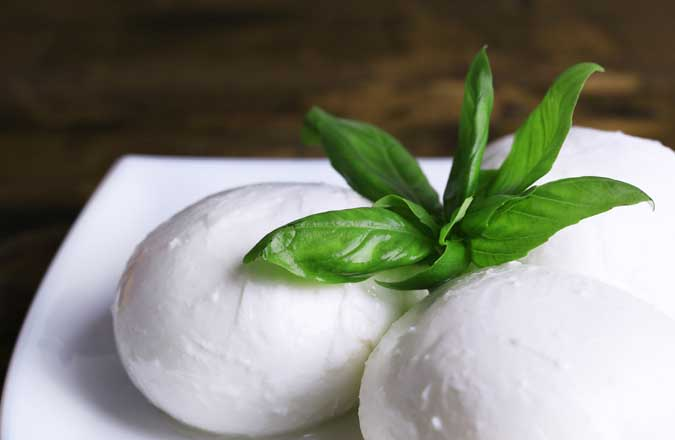
Fior di latte is a nutritious cheese option, offering protein, calcium, and essential vitamins. A typical serving provides a good source of high-quality protein, which supports muscle health and satiety. It also contains calcium, crucial for bone strength, and smaller amounts of phosphorus, vitamin B12, and riboflavin. Compared to aged cheeses, fior di latte is lower in sodium and fat, making it a lighter alternative while retaining flavor and texture.
For those mindful of diet, fior di latte can fit into balanced meal plans. Its mild flavor allows it to be used in moderate amounts without overpowering dishes or contributing excessive calories. While it contains dairy fat, choosing fresh, high-quality fior dilatte in controlled portions supports both flavor and nutritional needs. Additionally, its soft texture makes it easier to digest for some individuals who may struggle with aged or hard cheeses.
Incorporating fior di latte into meals not only enhances taste but also provides nutritional value, particularly in protein-rich dishes like pizza, pasta, and salads. For health-conscious consumers, pairing it with vegetables, lean proteins, or whole-grain bases can create balanced, satisfying dishes that are both delicious and nutrient-dense.
Buying, Storing, and Serving Tips
Selecting high-quality fior di latte is essential for optimal flavor and texture. Look for fresh, glossy cheese with a soft but firm texture and minimal liquid in packaging. Avoid cheese that appears dry, rubbery, or overly watery, as this indicates age or poor handling. Purchasing from reputable stores or specialty markets ensures quality and freshness.
Storage is crucial. Keep fior di latte submerged in its brine or lightly salted water in the refrigerator, ideally at temperatures around 4°C (39°F). Consume it within 2–3 days of opening for the best taste and texture. Avoid freezing, as it can alter the texture and make it rubbery.
Serving suggestions include slicing or tearing the cheese for salads, layering it on pizzas, or melting it over baked dishes. Allowing it to reach room temperature before serving enhances flavor and creaminess. Pairing with fresh herbs, ripe tomatoes, balsamic glaze, or cured meats highlights its delicate, milky taste and enhances both presentation and flavor.
Conclusion
Fior di latte is more than just a fresh mozzarella—it is a symbol of Italian culinary heritage, artisanal craftsmanship, and versatility in modern cooking. Its mild, creamy texture and subtle flavor make it a favorite for pizzas, salads, and innovative dishes worldwide. Understanding its history, production, and proper handling ensures both chefs and home cooks can enjoy this cheese at its best.
Whether used fresh, melted, or paired with complementary ingredients, fior di latte elevates dishes with its delicate taste and creamy texture. By selecting high-quality cheese, practicing proper storage, and exploring diverse culinary applications, anyone can experience the true essence of Italy’s beloved fresh mozzarella.
FAQs
What is the difference between fior di latte and buffalo mozzarella?
Fior di latte uses cow’s milk, has a milder flavor, and a slightly firmer texture compared to buffalo mozzarella.
Can fior di latte be used for pizza?
Yes, it melts beautifully and adds creamy texture to pizzas.
How should I store fior di latte to keep it fresh?
Keep it in its brine or lightly salted water in the fridge, ideally for 2–3 days.
Is fior di latte healthier than other cheeses?
It’s lower in fat and sodium than many aged cheeses, making it a lighter option.
Can I make fior di latte at home?
Yes, with high-quality cow’s milk, rennet, and pasta filata technique.
How long does fior di latte last after opening?
Best consumed within 2–3 days for optimal freshness.
What dishes pair best with fior di latte?
Caprese salad, pizza, baked pasta, and bruschetta are popular choices.
Can fior di latte be frozen?
Freezing is not recommended as it can alter texture and taste.
How do I know if fior di latte is high quality?
Look for glossy, soft, moist cheese without excessive liquid or dryness.
Is fior di latte suitable for vegetarians?
Yes, provided it is made with vegetarian rennet.
You May Also Read: Industrial Piercing