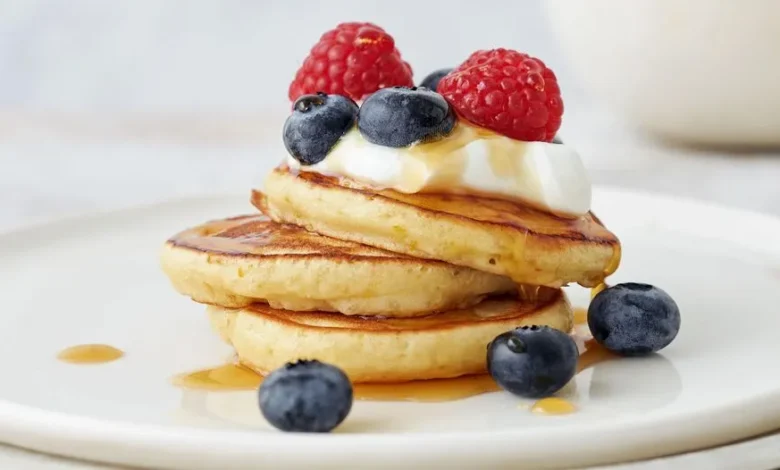
Drop scones, also known as Scottish pancakes, are a beloved staple in Scottish cuisine. They are smaller, thicker, and fluffier than traditional American pancakes, with a soft, golden texture that makes them perfect for breakfast, brunch, or teatime. Unlike crepes or thin pancakes, Drop Scones are light yet substantial, providing a comforting base for both sweet and savory toppings. Their simple ingredients and quick cooking method make them accessible for novice and experienced cooks alike.
Historically, drop scones have been enjoyed across Scotland for centuries. Often served with jam, honey, or butter, they were originally a practical way to use simple ingredients for nourishing meals. Today, they remain a popular dish not only in Scotland but throughout the UK, with regional variations and creative modern adaptations. Their versatility allows them to be served in both casual and formal settings, from a cozy family breakfast to an elegant afternoon tea spread.
This guide will provide a comprehensive overview of drop scones, including preparation tips, cooking techniques, recipes, and nutritional considerations. We will explore both traditional recipes and inventive variations, allowing readers to enjoy this Scottish classic in multiple ways. By the end of this article, you will have the knowledge and confidence to make perfectly fluffy drop scones, experiment with flavors, and serve them in delicious combinations that appeal to all ages.
Understanding Drop Scones
Drop scones differ from regular pancakes in texture, size, and cooking style. They are smaller and thicker than standard pancakes, measuring roughly 3–4 inches in diameter. The batter is dropped directly onto a hot pan using a spoon or small ladle, hence the name “drop scones.” This method allows them to cook evenly and form a golden crust while remaining soft and tender inside. The leavening agent, usually baking powder, ensures a light and fluffy texture that rises slightly during cooking.
Key ingredients in drop scones are simple: flour, eggs, milk, a touch of sugar, and a leavening agent. Some recipes may include butter or oil in the batter for extra richness. Despite their simplicity, the balance of these ingredients is crucial to achieving the characteristic texture and flavor. Too much liquid will result in flat, dense scones, while insufficient eggs or leavening will prevent them from rising properly.
Nutritionally, drop scones are moderate in calories, providing carbohydrates, protein from eggs, and some fat from milk or butter. They can be adapted to suit various dietary preferences by using whole grain or alternative flours, reducing sugar, or adding fruits for natural sweetness. Understanding their structure, ingredients, and nutritional profile allows cooks to create drop scones that are both delicious and suited to different dietary needs.
Preparing Drop Scones
The first step in preparing drop scones is making a smooth, lump-free batter. Start by whisking the eggs with milk and sugar until well combined, then gradually incorporate the flour and baking powder. Mixing gently prevents overworking the batter, which can lead to dense, tough scones. A slightly thick batter that drops easily from a spoon is ideal. Optional additions like vanilla extract, grated zest, or spices can enhance the flavor and make the scones more aromatic.
Common mistakes in preparation include overmixing the batter, using a pan that is too hot, or not allowing the batter to rest. Resting the batter for 10–15 minutes allows the flour to hydrate and the leavening agent to activate, which improves the scones’ fluffiness. Adding small ingredients such as berries, chocolate chips, or raisins at this stage distributes them evenly throughout the batter without sinking to the bottom.
Trimming techniques or portioning the batter properly ensures even cooking. Use a tablespoon or small ladle to drop uniform rounds onto the pan, leaving enough space between each scone for expansion. This prevents overcrowding, which can cause uneven cooking and interfere with browning. Preparing the ingredients and following a systematic approach guarantees consistency, making it easier to produce perfectly light, golden scones with every batch.
Cooking Techniques
Cooking drop scones requires attention to heat, timing, and flipping technique. Use a non-stick pan or a well-seasoned griddle over medium heat. Allow the pan to warm before adding the batter, ensuring an even golden crust. Cooking at too high a temperature can burn the exterior while leaving the center undercooked, while low heat may prevent proper browning.
Once the batter is dropped, cook for 1–2 minutes until small bubbles appear on the surface and the edges start to set. Flip carefully using a spatula, cooking for an additional 1–2 minutes until both sides are golden brown. Avoid pressing down on the scones, as this can make them dense and chewy. Cooking in small batches ensures even heat distribution and consistent results.
Oven methods are suitable for batch cooking, especially when making large quantities for gatherings or teatime. Place the scones on a baking tray lined with parchment paper and bake at 180°C (350°F) for 8–10 minutes, flipping halfway through if necessary. The key is to monitor closely to maintain their characteristic lightness and soft texture.
Toppings and accompaniments enhance the eating experience. Sweet options include butter, jam, honey, or clotted cream, while savory toppings like smoked salmon, cheese, or poached eggs can create unique, satisfying meals. The versatility of drop scones allows them to transition seamlessly between breakfast, brunch, and teatime menus.
Drop Scone Recipes and Variations
The classic drop scone recipe is simple yet comforting. Combine flour, sugar, baking powder, eggs, and milk, then cook small rounds on a heated pan until golden brown. Serve warm with butter and jam for a traditional Scottish experience. For a sweeter variation, add berries, raisins, or a sprinkle of cinnamon and nutmeg to the batter, providing extra flavor and visual appeal.
Savory drop scones are increasingly popular. Adding grated cheese, chopped herbs, or finely diced vegetables creates a versatile option for lunch or dinner. Top with poached eggs or smoked salmon to create a hearty meal suitable for any time of day. Combining sweet and savory elements, such as cream cheese and fruit, also provides creative twists for brunch menus or special occasions.
One of the strengths of drop scones is their adaptability. They can be made gluten-free with alternative flours like almond or oat flour, or dairy-free using plant-based milk and oil. This flexibility makes them suitable for various dietary requirements while retaining their signature fluffy texture and flavor. Serving suggestions include stacking multiple scones with layers of filling, arranging them on a platter with assorted toppings, or pairing with a hot beverage for an authentic Scottish teatime experience.
Health and Nutritional Considerations
Drop scones can be adapted to meet modern health-conscious preferences. Using whole grain flour increases fiber content, while reducing sugar or using natural sweeteners can decrease overall calorie intake. Replacing dairy milk with plant-based alternatives and adding fruits or nuts enhances nutritional value without sacrificing taste.
Balancing portion sizes ensures the scones remain part of a wholesome meal. Pairing them with protein-rich toppings like Greek yogurt, eggs, or nut butter creates a complete and satisfying breakfast or snack. Additionally, incorporating vegetables into savory variations adds fiber, vitamins, and minerals, making them a balanced option for adults and children alike.
While traditional drop scones are indulgent, mindful modifications allow them to fit into a healthy lifestyle. Enjoying them with fresh fruits, moderate amounts of spreads, or savory accompaniments helps maintain a nutritious balance. With thoughtful ingredient choices and portion control, drop scones can be both a treat and a nourishing part of your diet.
Conclusion
Drop scones are a versatile, delicious, and historically rich dish that remains popular across Scotland and beyond. Their light, fluffy texture and adaptability make them ideal for sweet or savory creations, from traditional jam-topped scones to herb-infused savory versions. With simple ingredients, careful preparation, and attention to cooking technique, anyone can achieve perfectly golden, tender scones at home.
Whether served for breakfast, brunch, or teatime, drop scones can be customized to suit personal preferences and dietary needs. Experimenting with flavors, fillings, and toppings ensures they remain exciting and satisfying for all ages. Incorporating whole grains, fruits, or protein-rich toppings allows them to be a nourishing and versatile addition to everyday meals, while preserving their comforting, indulgent appeal.
Frequently Asked Questions (FAQs)
What are drop scones and how are they different from regular pancakes?
Drop scones are small, thick Scottish pancakes with a light, fluffy texture, cooked in individual rounds on a pan.
Can drop scones be made gluten-free or dairy-free?
Yes, alternative flours like almond or oat flour and plant-based milk can be used without compromising texture.
How do you prevent drop scones from sticking to the pan?
Use a non-stick pan or griddle and ensure it is adequately preheated. Lightly oil if necessary.
Can I make drop scones ahead of time and store them?
Yes, they can be stored in an airtight container for 2–3 days or frozen for longer storage.
What toppings pair best with sweet or savory drop scones?
Sweet toppings: butter, jam, honey, cream; Savory toppings: cheese, herbs, eggs, smoked salmon.
How do I make sure drop scones are fluffy and light?
Do not overmix the batter, use fresh leavening agents, and allow the batter to rest briefly before cooking.
Can drop scones be frozen and reheated?
Yes, freeze in a single layer and reheat gently in a pan or oven to maintain softness.
What are some creative variations for kids or picky eaters?
Add chocolate chips, berries, or grated apple for sweet variations, or mild cheese and finely chopped vegetables for savory options.
You May Also Read: Venison Casserole