
The Cavalier King Charles Spaniel is a breed that embodies elegance, charm, and unwavering loyalty. Known for its expressive eyes, silky coat, and gentle demeanor, this breed has captured the hearts of dog lovers around the world. Whether it’s snuggling on the couch, accompanying you for a stroll, or greeting guests with a wagging tail, the Cavalier King Charles Spaniel is an ideal companion for families, singles, and seniors alike.
Beyond their adorable appearance, Cavaliers are beloved for their affectionate and friendly nature. They thrive on human interaction and are known for their adaptability in various living environments, from apartments to large homes. Their gentle temperament makes them especially suitable for households with children or other pets. However, their affectionate nature also means they do not do well if left alone for long periods; they require companionship and attention to remain happy and well-adjusted.
This article offers a comprehensive guide to understanding the Cavalier King Charles Spaniel, covering everything from its history and personality traits to health concerns, grooming needs, nutrition, and training tips. Whether you are considering bringing a Cavalier into your home or simply want to better understand this delightful breed, this guide will provide the insights you need to ensure a happy, healthy, and fulfilling life for your furry companion.
History and Origin
The Cavalier King Charles Spaniel has a rich and royal heritage, dating back to the 16th and 17th centuries in England. Originally bred as a lap dog for nobility, they were prized companions in the courts of King Charles II, after whom the breed is named. Their affectionate and gentle nature made them ideal pets for the aristocracy, who valued their presence during social gatherings and private moments alike.
Throughout history, the breed has remained small but refined, valued more for companionship than utility. Unlike hunting or working breeds, Cavaliers were bred for their social and loving temperament. Over time, selective breeding refined their expressive eyes, long ears, and silky coats, resulting in the breed we recognize today. Modern Cavalier King Charles Spaniels retain the charm and elegance of their royal ancestors while being better adapted to contemporary living.
Today, the breed enjoys global popularity, particularly in the United States, the United Kingdom, and parts of Europe. Their gentle temperament and adaptability have made them a favorite in urban apartments and suburban homes alike. Famous owners over the years, including royalty and celebrities, have only enhanced the breed’s prestige and recognition. Understanding the Cavalier’s history provides insight into its behavior and enduring appeal, emphasizing its role as a loving companion rather than a working dog.
Personality and Temperament
One of the defining features of the Cavalier King Charles Spaniel is its affectionate and sociable nature. These dogs are exceptionally friendly, forming strong bonds with family members and often seeking to be involved in all household activities. Their gentle temperament makes them especially suitable for households with children, as they are patient, tolerant, and playful without being aggressive.
Cavaliers are also highly intelligent and trainable. They respond well to positive reinforcement methods, including praise, treats, and play, making obedience training and socialization relatively straightforward. Their adaptability allows them to adjust to different living situations, whether it’s a bustling home with multiple pets or a quiet apartment with minimal activity. Despite their sociability, Cavaliers do have emotional needs; they thrive on companionship and may develop separation anxiety if left alone for extended periods.
Behaviorally, Cavaliers tend to be curious and friendly toward strangers, making them poor watchdogs but excellent family pets. They enjoy interactive play and mental stimulation, including puzzle toys, obedience challenges, and gentle games of fetch. Their emotional intelligence allows them to sense moods and respond empathetically, providing comfort to their owners when needed. Overall, the Cavalier King Charles Spaniel combines intelligence, adaptability, and affectionate behavior, making it one of the most beloved companion breeds worldwide.
Health and Common Medical Issues
While the Cavalier King Charles Spaniel is generally healthy, prospective owners should be aware of breed-specific health concerns. One of the most significant issues is mitral valve disease (MVD), a heart condition that affects many Cavaliers as they age. Regular veterinary checkups and early detection are essential to manage this condition and maintain quality of life.
Other common health problems include hip dysplasia, which can impact mobility, and syringomyelia, a neurological condition that may cause pain or discomfort. Cavaliers are also prone to eye problems, such as cataracts and retinal disorders, as well as ear infections due to their long, floppy ears. Preventive care, including regular ear cleaning, eye checks, and dental care, is crucial to keep your pet healthy.
Maintaining a balanced diet and healthy weight plays a pivotal role in overall health. Overweight Cavaliers are at greater risk for joint issues and cardiovascular complications. Routine exercise, combined with appropriate nutrition, helps prevent obesity and contributes to longevity. Regular monitoring for symptoms such as coughing, breathing difficulties, or lethargy allows early intervention and promotes a longer, healthier life for your Cavalier King Charles Spaniel.
Grooming and Coat Care
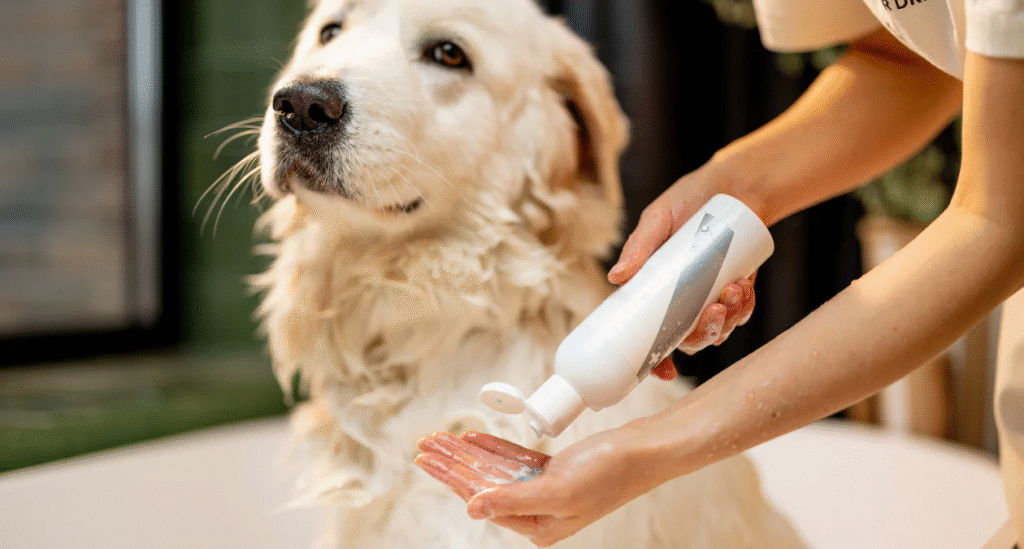
The Cavalier King Charles Spaniel is known for its silky, flowing coat, which comes in a variety of colors, including Blenheim, tricolor, ruby, and black-and-tan. Maintaining the coat requires regular brushing to prevent tangles and mats, particularly behind the ears, under the legs, and around the tail. Daily or at least several times weekly brushing ensures the coat remains healthy, shiny, and free from debris.
Bathing should be done as needed, usually every few weeks, using a gentle dog shampoo. Nail trimming, ear cleaning, and dental hygiene are equally important to maintain overall health. Floppy ears require careful attention, as moisture and debris can accumulate, leading to infections. Regular checkups, including trimming hair around the ears and cleaning with veterinarian-approved solutions, prevent common ear issues.
Seasonal shedding is mild but noticeable, so extra brushing during these periods helps minimize hair accumulation in the home. Many owners also opt for professional grooming every few months to maintain the coat’s appearance and ensure thorough hygiene. Proper grooming not only enhances appearance but also contributes to the Cavalier’s comfort and well-being, making daily care an essential part of responsible ownership.
Feeding and Nutrition
Nutrition plays a vital role in the overall health and longevity of the Cavalier King Charles Spaniel. Puppies require a diet rich in protein, vitamins, and minerals to support growth and development, while adult dogs benefit from a balanced diet that maintains weight and energy levels. Senior Cavaliers may require modified diets to support joint health and prevent weight gain.
Portion control is important, as Cavaliers are prone to obesity if overfed. High-quality commercial dog foods designed for small breeds provide the necessary nutrients, though some owners may opt for a mix of wet and dry food or a vet-approved homemade diet. Avoid feeding table scraps or foods that are toxic to dogs, such as chocolate, onions, or grapes.
Supplements such as omega-3 fatty acids, glucosamine, or joint-support formulas can aid in maintaining coat health, cognitive function, and mobility. Fresh water should always be available to keep your dog hydrated. Monitoring weight, adjusting portions as needed, and consulting a veterinarian for dietary guidance ensures your Cavalier thrives throughout all stages of life.
Exercise, Training, and Activities
Despite their small size, Cavalier King Charles Spaniels require regular exercise to maintain physical and mental health. Daily walks, interactive play, and gentle games like fetch help expend energy and prevent boredom. Mental stimulation, such as puzzle toys or basic obedience training, keeps these intelligent dogs engaged and content.
Training should emphasize positive reinforcement techniques. Cavaliers respond well to praise, treats, and encouragement, making it easier to teach commands, house manners, and socialization skills. Early socialization with other dogs and humans helps prevent shyness or anxiety and promotes a well-adjusted temperament.
Activity requirements are moderate; Cavaliers are well-suited for apartment living but still need outdoor time to stay healthy. Short, consistent walks and play sessions are sufficient for daily energy needs. They also enjoy participating in family activities, including gentle hikes or car rides. Consistent training and exercise ensure a happy, well-behaved companion capable of integrating seamlessly into family life.
Choosing a Cavalier King Charles Spaniel
When selecting a Cavalier King Charles Spaniel, consider whether a puppy or adult dog better suits your lifestyle. Puppies offer the advantage of molding behavior from an early age, while adult dogs may already have established personalities and training. Choosing a reputable breeder or adoption center is critical to ensure the dog is healthy and well-socialized.
Assessing health records, temperament, and lineage is vital. Reputable breeders provide documentation on vaccinations, health clearances for genetic conditions, and early socialization. Preparing your home for a Cavalier includes ensuring a safe environment, providing appropriate toys, bedding, and grooming supplies, and establishing routines for feeding and exercise. Proper preparation contributes to a smooth transition and a strong bond between owner and dog.
Conclusion
The Cavalier King Charles Spaniel is an affectionate, intelligent, and adaptable breed that thrives in loving homes. With proper care, attention, and preventive health measures, they can be a joyful companion for families, singles, and seniors alike. Understanding their personality, grooming, nutrition, exercise, and health needs is key to ensuring a long, happy, and fulfilling life for your furry friend.
Whether you are considering a Cavalier as your first dog or adding to an existing family, these charming spaniels provide unmatched companionship, loyalty, and love. With preparation, education, and dedication, owning a Cavalier King Charles Spaniel can be a deeply rewarding experience.
FAQs
What is the lifespan of a Cavalier King Charles Spaniel?
Typically 10–14 years, depending on genetics and overall care.
Are Cavalier King Charles Spaniels good with children?
Yes, they are gentle, playful, and patient, making them excellent family pets.
What health issues are common in this breed?
Common concerns include mitral valve disease, hip dysplasia, eye problems, and ear infections.
How often should I groom my Cavalier King Charles Spaniel?
Regular brushing several times a week, bathing as needed, and professional grooming every few months.
Do Cavalier King Charles Spaniels require a lot of exercise?
Moderate exercise is sufficient, including daily walks and play sessions.
Is this breed suitable for apartment living?
Yes, as long as they receive daily exercise and mental stimulation.
How do I choose a healthy Cavalier King Charles Spaniel puppy?
Look for reputable breeders, health clearances, socialized puppies, and proper vaccination records.
You May Also Read: USB C Plug