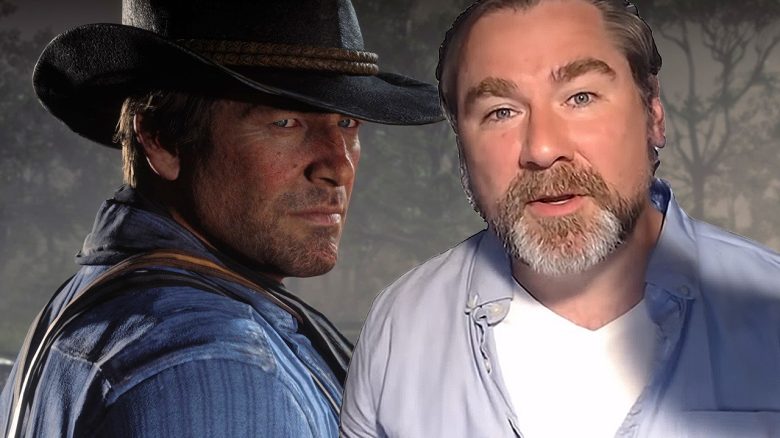
Arthur Morgan stands as one of the most emotionally complex and memorable characters ever created in the world of video games. Introduced as the central protagonist of Red Dead Redemption 2, Arthur Morgan is not a traditional hero. Instead, he is a deeply flawed outlaw whose journey forces players to confront themes of morality, regret, loyalty, and redemption. From the very beginning, Arthur feels human—tough on the outside, conflicted on the inside, and constantly shaped by the choices he and the player make.
What truly sets Arthur Morgan apart is how naturally his character develops over the course of the story. Rather than relying on dramatic twists alone, his transformation unfolds slowly through conversations, quiet moments, and personal reflections. Players do not just control Arthur; they live inside his thoughts, doubts, and fears. This intimate connection is a major reason why Arthur Morgan is often cited as one of the greatest protagonists in gaming history, resonating with players long after the game ends.
Arthur Morgan’s Background and Early Life
Arthur Morgan’s early life is defined by loss, survival, and the absence of stability. Orphaned at a young age, Arthur is taken in by Dutch van der Linde, who becomes both a mentor and a father figure to him. Growing up within the Van der Linde gang, Arthur learns to survive through crime, violence, and unwavering loyalty. This upbringing shapes his worldview, teaching him that strength and obedience are essential in a harsh and unforgiving world.
Despite this rough background, Arthur is not portrayed as mindlessly violent. His past explains his actions without excusing them, giving depth to his character. He believes in the gang’s ideals—freedom, brotherhood, and resistance against a changing society—but over time, he begins to question whether these beliefs are genuine or simply excuses for chaos. This internal conflict, rooted in his upbringing, becomes a driving force behind his emotional journey throughout the story.
Personality, Morality, and Inner Conflict
Arthur Morgan’s personality is built on contradictions. He is capable of brutality, yet deeply compassionate. He can intimidate enemies without hesitation, but he also shows kindness to strangers and concern for the weak. This duality makes him feel real, reflecting the complexity of human nature rather than a one-dimensional outlaw stereotype. His journal entries, conversations, and quiet reflections reveal a man who is far more thoughtful than he initially appears.
A key element of Arthur’s character is the moral system that allows players to shape his actions. Whether Arthur becomes more honorable or more ruthless directly affects how he views himself and how others treat him. As his story progresses and he confronts his own mortality, his internal struggle intensifies. Arthur begins to question the meaning of his life, the damage he has caused, and whether it is possible to do some good before it is too late. This moral reckoning is central to his emotional power.
Arthur Morgan’s Role in the Story
Within the Van der Linde gang, Arthur Morgan serves as the primary enforcer and problem-solver. He is the one sent to collect debts, protect gang members, and handle dangerous situations. His reliability makes him indispensable, but it also places him at the center of escalating violence and moral decay. As the gang’s plans become increasingly reckless, Arthur finds himself caught between loyalty and growing doubt.
As the narrative unfolds, Arthur’s role shifts from blind obedience to quiet resistance. He begins to see cracks in Dutch’s leadership and questions whether the gang’s ideals still hold any truth. This evolution is gradual and believable, driven by loss, betrayal, and reflection. Arthur’s journey mirrors the collapse of the gang itself, making his personal story inseparable from the larger narrative of decline and change.
Relationships That Define Arthur Morgan
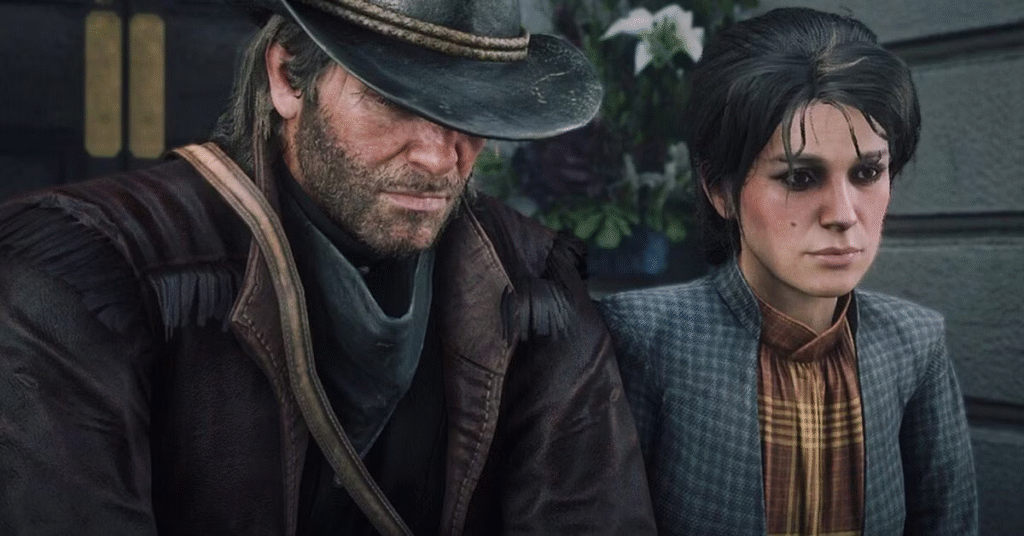
Arthur Morgan’s relationships are crucial to understanding who he is. His bond with Dutch van der Linde is especially complex, marked by admiration, dependence, and eventual disillusionment. Dutch represents the ideals Arthur once believed in, making their fractured relationship emotionally devastating. As Arthur begins to see Dutch’s flaws more clearly, he struggles with feelings of betrayal and guilt.
Equally important is Arthur’s relationship with John Marston. While initially strained, their bond grows stronger as Arthur becomes more protective and selfless. Arthur’s actions toward John reflect his desire to ensure that someone else has a chance at a better life. These relationships humanize Arthur, showing that even within a violent world, love, loyalty, and sacrifice still matter deeply.
Themes Represented by Arthur Morgan
Arthur Morgan embodies powerful themes that elevate the story beyond a simple tale of outlaws. Redemption is at the heart of his journey, not as a dramatic transformation but as a series of small, meaningful choices. Arthur learns that redemption is not about erasing past sins, but about taking responsibility and trying to do better when it counts.
Other themes include the decline of the Wild West, the cost of blind loyalty, and the struggle between freedom and consequence. Arthur represents a dying way of life, caught between the past and an inevitable future. His story reflects the idea that change is unavoidable, and how one responds to that change defines who they truly are.
Arthur Morgan’s Legacy in Gaming Culture
Arthur Morgan’s impact on gaming culture is profound. Critics and fans alike praise his depth, realism, and emotional weight. His story has sparked countless discussions, analyses, and tributes, proving that video game characters can be as powerful and meaningful as those in films or literature.
More importantly, Arthur Morgan set a new standard for storytelling in games. He demonstrated that slow, character-driven narratives could create unforgettable experiences. His legacy continues to influence how developers approach character development, ensuring that his story remains relevant for years to come.
Conclusion
Arthur Morgan is more than just a video game protagonist—he is a symbol of flawed humanity, redemption, and emotional storytelling. Through his journey, players experience loss, hope, regret, and compassion in a way few games have achieved. His story reminds us that even in a world filled with violence and mistakes, moments of kindness and self-awareness still matter. That is why Arthur Morgan’s legacy endures as one of the most powerful characters in gaming history.
Frequently Asked Questions (FAQs)
Who is Arthur Morgan?
Arthur Morgan is the main protagonist of Red Dead Redemption 2, an outlaw navigating loyalty, morality, and redemption.
Is Arthur Morgan a hero or anti-hero?
He is best described as a tragic anti-hero shaped by player choices and personal growth.
Why is Arthur Morgan so popular?
His emotional depth, realism, and moral complexity make him deeply relatable.
What themes does Arthur Morgan represent?
Redemption, loyalty, mortality, and the decline of the Wild West are central themes.
How does Arthur Morgan impact gaming storytelling?
He set a benchmark for character-driven narratives and emotional engagement in video games.
You May Also Read: Marie Curie Charity