
Stratford Station is one of London’s most significant transport hubs, serving as a vital connection point for commuters, tourists, and residents alike. Strategically located in East London, Stratford Station links multiple modes of transport, including National Rail, the London Underground, the Docklands Light Railway (DLR), and local bus services. Its importance has only grown in recent years, thanks to the development of Stratford as a commercial, residential, and leisure district. Today, it is not just a station but a gateway to one of London’s most vibrant neighborhoods, connecting visitors to shopping, cultural attractions, and entertainment venues.
For commuters, Stratford Station offers efficient routes to central London and beyond, making it an essential stop for daily travel. Tourists also benefit from its strategic location, providing easy access to major attractions like the Queen Elizabeth Olympic Park, Westfield Stratford City, and nearby historical sites. The station’s combination of functionality, convenience, and proximity to attractions makes it an integral part of the London transport ecosystem.
This comprehensive guide aims to cover every aspect of Stratford Station, from its history and modern facilities to its connectivity and nearby attractions. It will provide practical information for navigating the station efficiently, understanding the services available, and exploring the surrounding area. Whether you are a daily commuter or a first-time visitor, this guide ensures you make the most of your time at Stratford Station and the neighborhood it serves.
History and Development of Stratford Station
Origins and Early Years
Stratford Station was originally opened in the 19th century as part of London’s growing railway network. Initially serving regional trains, it quickly became a crucial hub due to Stratford’s strategic location between East London and the broader Midlands network. The station played a significant role in facilitating trade, commuting, and urban expansion during the industrial era, positioning Stratford as a key transport node in East London.
In its early years, Stratford Station’s infrastructure was relatively modest, with limited platforms and basic passenger amenities. Despite these humble beginnings, it effectively served both local commuters and travelers heading toward central London or neighboring towns. Over time, the station underwent incremental upgrades, expanding its capacity and improving services to meet the increasing demands of London’s rapidly growing population.
Major Upgrades and Modernization
Stratford Station underwent a transformative redevelopment ahead of the 2012 London Olympics. This modernization project aimed to accommodate the surge of visitors expected for the games, upgrade platforms, improve accessibility, and enhance overall passenger experience. As a result, Stratford Station now boasts wider concourses, modern ticketing systems, and streamlined pedestrian flows.
Subsequent renovations have focused on improving connectivity between different transport modes. The integration of the DLR, enhanced Underground facilities, and better signage have made the station more user-friendly for both commuters and first-time visitors. The station’s modernization has transformed it into a contemporary transport hub capable of handling hundreds of thousands of passengers daily while maintaining a safe and efficient travel experience.
Role in London’s Transport Network
Stratford Station is a linchpin in London’s transport system. It connects the Central and Jubilee Underground lines, National Rail services, and the DLR, providing direct routes to central London, Canary Wharf, and beyond. Its strategic importance is underscored by its role in easing congestion across London, offering multiple options for commuters and travelers. Additionally, Stratford serves as a hub for regional trains heading to East Anglia and the Midlands, further cementing its position as a key transport interchange.
The station’s combination of connectivity, convenience, and modern facilities ensures it remains a crucial link in London’s transport network, catering to millions of passengers each year. Its efficient integration of various services demonstrates the importance of multi-modal transport hubs in a sprawling metropolis like London.
Facilities and Services at Stratford Station
Passenger Amenities
Stratford Station offers a comprehensive range of amenities designed to enhance passenger comfort. Waiting areas provide ample seating, while restrooms and ticket offices are conveniently located throughout the station. The station also features modern lounges and rest areas where travelers can relax while waiting for connections.
For those looking to shop or dine, the station houses a variety of cafes, restaurants, and retail outlets. From grab-and-go snacks to sit-down meals, passengers can find something to suit every taste and schedule. Shops within the station provide essentials, souvenirs, and travel accessories, ensuring passengers are well-prepared for their journey.
Accessibility Features
Accessibility at Stratford Station is a top priority. Facilities include elevators, ramps, tactile paving, and clearly marked signage to assist passengers with mobility challenges. Trained staff are available to provide assistance, helping passengers navigate the station safely and efficiently. The station’s commitment to accessibility ensures that all passengers, including those with disabilities or special needs, can travel with ease.
These features are especially valuable for travelers with heavy luggage, families with strollers, or anyone requiring additional support. By prioritizing accessibility, Stratford Station demonstrates its dedication to creating an inclusive travel environment.
Ticketing and Travel Assistance
Ticketing options at Stratford Station are diverse and user-friendly. Automated ticket machines, staffed ticket counters, and Oyster card services allow passengers to purchase or top up travel cards quickly. Travel assistance points provide real-time information, guidance on routes, and support for passengers with questions about connections or fares.
Digital tools, including mobile apps and online booking platforms, complement these services, enabling passengers to plan journeys in advance and receive live updates. The station’s combination of physical and digital assistance ensures a smooth travel experience for all users.
Transport Links and Connectivity
Train and Underground Services
Stratford Station serves multiple National Rail lines, connecting East London to central London and other regional destinations. The Central and Jubilee Underground lines provide rapid access to major areas such as Oxford Circus, Canary Wharf, and London Bridge. This extensive connectivity makes Stratford Station a preferred choice for both commuters and tourists.
The station also accommodates intercity services to the Midlands, offering regional travelers a direct route to London. Efficient scheduling, multiple platforms, and clear signage contribute to a seamless commuting experience, even during peak hours.
Docklands Light Railway (DLR) and Bus Connections
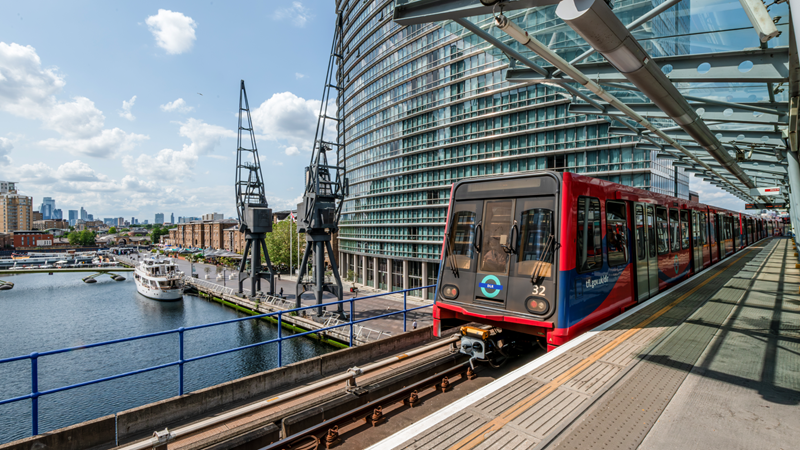
The DLR extends Stratford Station’s reach into East London, Canary Wharf, and the Docklands. Its integration with other transport modes ensures passengers can transfer easily between services, reducing travel times and improving overall convenience.
Local bus routes provide additional connectivity within Stratford and neighboring boroughs. Regular buses link residential areas to the station, making it accessible for those without private transport. This combination of rail, underground, DLR, and bus services highlights Stratford Station’s role as a multi-modal transport hub.
Nearby Parking and Bike Facilities
Stratford Station provides options for both car and bicycle commuters. Car parks offer secure parking, while bike racks and cycle storage facilities encourage sustainable transport choices. For those using car-sharing services, designated areas are conveniently located near station entrances. These facilities support a variety of commuting styles, from traditional car travel to eco-friendly cycling.
Nearby Attractions and Things to Do
Shopping and Entertainment
One of Stratford Station’s biggest draws is its proximity to Westfield Stratford City, one of Europe’s largest shopping malls. Visitors can enjoy shopping, dining, cinemas, and entertainment facilities all within walking distance. The mall’s diverse offerings make it a popular destination for locals and tourists alike.
Beyond shopping, Stratford boasts numerous restaurants, cafes, and leisure activities. From trendy eateries to family-friendly options, the area around the station provides endless opportunities to eat, shop, and unwind.
Cultural and Historical Sites
Stratford is home to several cultural and historical landmarks. The Queen Elizabeth Olympic Park offers attractions like the London Aquatics Centre, ArcelorMittal Orbit, and open spaces for recreational activities. Local museums and theaters provide insights into the area’s history and artistic scene, making Stratford a hub of cultural engagement.
Seasonal events, markets, and festivals held near the station add vibrancy to the area, attracting visitors year-round.
Outdoor Spaces and Recreation
For those who enjoy outdoor activities, Stratford offers riverside walks, cycling paths, and family-friendly parks. The Olympic Park, in particular, provides expansive green spaces, playgrounds, and sports facilities, making it ideal for both leisure and fitness activities. These outdoor amenities complement the station’s transport connectivity, allowing visitors to explore Stratford conveniently.
Tips for Travelers
Navigating the Station Efficiently
Stratford Station can be busy, especially during peak hours. Understanding the layout, knowing platform locations, and using station maps can save time and reduce stress. Mobile apps and online resources provide real-time updates on train departures and service changes.
Safety and Security
The station is equipped with CCTV, security personnel, and clear emergency procedures. Passengers are encouraged to remain aware of their surroundings, follow signage, and seek assistance when needed. Night-time travel or solo commuting is safe, provided standard precautions are observed.
Planning Your Trip
To maximize your Stratford visit, plan itineraries that combine transport efficiency with nearby attractions. Arriving early for connections, allocating time for shopping or dining, and checking service updates ensures a seamless experience. Stratford Station’s strategic location makes it an excellent starting point for exploring East London and beyond.
Conclusion
Stratford Station is more than just a transit point—it is a gateway to shopping, culture, and recreation in East London. Its modern facilities, accessibility features, and extensive transport links make it a hub for both commuters and tourists. From National Rail and Underground connections to the DLR and local bus services, the station provides unparalleled connectivity across London.
Nearby attractions, including Westfield Stratford City and the Queen Elizabeth Olympic Park, add to the station’s appeal, making it a destination in its own right. By understanding the station’s layout, facilities, and services, travelers can navigate Stratford efficiently, ensuring a comfortable, safe, and enjoyable experience. Whether visiting for work, leisure, or commuting, Stratford Station is a cornerstone of East London’s transport and lifestyle landscape.
Frequently Asked Questions (FAQs)
Where is Stratford Station located in London?
Stratford Station is in East London, close to Westfield Stratford City and the Queen Elizabeth Olympic Park.
What train lines and Underground services operate at Stratford Station?
It serves National Rail, Central and Jubilee Underground lines, and the DLR.
Is Stratford Station accessible for disabled passengers?
Yes, the station offers elevators, ramps, tactile paving, and staff assistance for passengers with mobility challenges.
What amenities are available inside the station?
The station has waiting areas, restrooms, shops, cafes, lounges, ticket offices, and travel assistance points.
How can I reach Westfield Stratford City from the station?
Westfield Stratford City is within walking distance, just a few minutes from the station’s main exit.
Are there parking and bike storage facilities at Stratford Station?
Yes, the station provides car parks, bike racks, and designated areas for car-sharing services.
What are the best nearby attractions and things to do around Stratford Station?
Nearby attractions include Westfield Stratford City, Queen Elizabeth Olympic Park, museums, theatres, riverside walks, and recreational parks.
You May Also Read: Weather Solihull