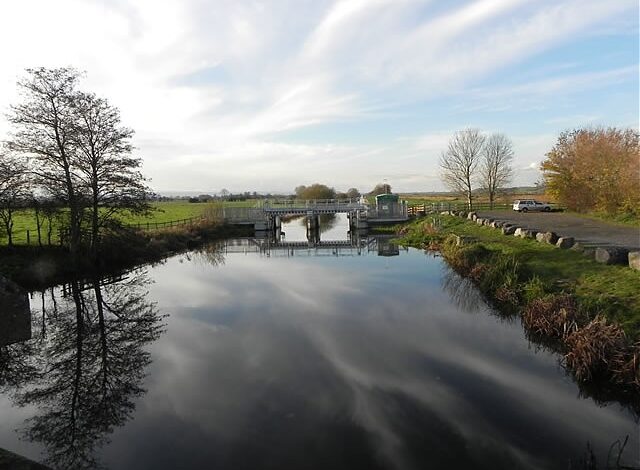
The King’s Sedgemoor Drain is a significant waterway in Somerset, England, forming an integral part of the region’s drainage and flood management system. Stretching across the Somerset Levels, this man-made drain has been vital in regulating water levels, preventing flooding, and supporting agricultural activities in an area prone to seasonal inundation. Beyond its functional importance, the drain also contributes to local ecosystems and offers recreational opportunities for residents and visitors.
Constructed with a focus on both utility and longevity, King’s Sedgemoor Drain reflects centuries of engineering expertise and strategic planning. Its role extends beyond water management, influencing settlement patterns, agricultural practices, and regional development over the years. For locals, the drain is not just a functional structure but a landmark intertwined with Somerset’s history and culture.
This article provides an in-depth exploration of King’s Sedgemoor Drain, covering its history, technical features, environmental significance, recreational value, and future prospects. Understanding the drain’s importance offers insight into how human ingenuity has shaped the landscape of Somerset, balancing the needs of communities, agriculture, and nature.
History and Development
The origins of King’s Sedgemoor Drain date back to the 18th century, during a period when the Somerset Levels were frequently subjected to flooding. Before its construction, much of the low-lying land was marshy, making it challenging for agriculture and settlement. The drain was conceived as part of a broader effort to reclaim and manage the land effectively, ensuring that communities could thrive in what was historically a flood-prone region.
Engineering and construction milestones were significant for the drain’s establishment. Early work involved excavation by hand and rudimentary tools, guided by experienced engineers of the period. Over time, the drain was expanded and reinforced to handle larger volumes of water and improve drainage efficiency. Strategic planning ensured that it connected seamlessly with other waterways, forming a comprehensive network to manage the flow of water across the Somerset Levels.
The drain’s historical significance cannot be understated. It not only transformed the landscape, making vast tracts of fertile land usable for farming, but also facilitated trade and movement by providing reliable water channels. Over the centuries, continuous maintenance and modernization have allowed King’s Sedgemoor Drain to remain a vital infrastructure component, preserving its legacy while adapting to contemporary needs.
Structure and Technical Features
From a technical perspective, King’s Sedgemoor Drain is an impressive example of historical and modern engineering working in tandem. The drain spans several miles, with carefully calculated gradients that allow water to flow efficiently toward its designated discharge points. Its width and depth are designed to accommodate significant water volumes, especially during heavy rainfall or seasonal floods. Materials used in construction have evolved from early clay and timber reinforcements to modern concrete and steel structures, ensuring durability and minimal maintenance requirements.
Water flow management is a critical aspect of the drain’s functionality. Sluices, pumping stations, and control gates regulate water levels, preventing overflow and directing excess water toward larger rivers or reservoirs. The drain is part of an interconnected system that includes smaller channels, culverts, and tributaries, all working together to maintain equilibrium across the Somerset Levels. Modern technology, including sensors and automated controls, has enhanced the precision and reliability of water management, making flood prevention more effective than ever.
Maintenance is ongoing to preserve the integrity of King’s Sedgemoor Drain. Regular inspections ensure that sediment buildup, erosion, and blockages do not compromise its function. Periodic dredging and vegetation management keep the drain operating at optimal capacity. Modern upgrades, such as reinforced banks and improved sluice systems, demonstrate a commitment to both safety and environmental sustainability, ensuring that the drain continues to meet contemporary standards.
Environmental and Ecological Impact

The environmental significance of King’s Sedgemoor Drain is substantial, supporting diverse ecosystems along its banks and nearby wetlands. The drain provides habitats for a variety of bird species, fish, and aquatic plants, contributing to regional biodiversity. Its slow-moving waters and adjacent marshlands are particularly important for migratory birds, making it a focal point for wildlife enthusiasts and conservationists. Maintaining these habitats requires careful balance, ensuring that water management practices do not disrupt the natural ecological cycle.
Flood management is another key environmental consideration. By controlling water levels, King’s Sedgemoor Drain reduces the risk of catastrophic flooding while protecting local farmland and communities. This proactive management preserves soil quality and prevents the loss of crops, which is essential for the agricultural economy. Furthermore, water quality monitoring ensures that the ecosystem remains healthy, minimizing the impact of human activity on flora and fauna.
Conservation efforts have increased in recent years, driven by both governmental and non-governmental initiatives. Programs focus on sustainable water management, habitat restoration, and pollution prevention. These measures ensure that King’s Sedgemoor Drain continues to serve its dual purpose—functional flood management and ecological preservation—while adapting to the challenges posed by climate change and human development.
Recreational and Community Importance
Beyond its technical and environmental functions, King’s Sedgemoor Drain is a valuable resource for local communities and outdoor enthusiasts. The waterway provides opportunities for fishing, walking, and bird-watching, attracting both residents and visitors. Scenic paths along the drain offer an escape into nature, fostering appreciation for the Somerset Levels and the region’s unique landscape. Informational signage and heritage markers along the drain educate visitors about its history, engineering, and ecological significance.
Community engagement is integral to the drain’s management. Local organizations and schools often collaborate on educational projects, field trips, and conservation initiatives. These programs raise awareness about the importance of water management, biodiversity, and historical preservation, fostering a sense of stewardship among residents. Annual events and guided tours further strengthen the connection between the community and the drain, highlighting its value beyond practical purposes.
Culturally, King’s Sedgemoor Drain has become a symbol of the region’s resilience and ingenuity. Its presence has shaped local identity, representing centuries of adaptation to a challenging environment. Heritage preservation efforts ensure that future generations understand and appreciate the drain’s role in Somerset’s development, reinforcing its significance as both a functional and cultural landmark.
Future Developments and Challenges
Looking ahead, King’s Sedgemoor Drain faces both opportunities and challenges. Planned upgrades focus on enhancing flood defense capabilities, incorporating modern engineering solutions, and improving water flow efficiency. Technological integration, such as automated sluice controls and real-time monitoring, will allow more precise water management, helping to mitigate the impacts of extreme weather events.
Environmental and climate considerations are central to future planning. Rising rainfall levels, changing seasonal patterns, and increased storm frequency require adaptive strategies to maintain the drain’s effectiveness. Sustainable management practices, including habitat preservation and erosion control, will be critical to balancing flood management with environmental protection.
Challenges such as siltation, bank erosion, and vegetation overgrowth require continuous attention. Addressing these issues while maintaining the drain’s historical character and supporting community use is a complex task. However, ongoing investment, research, and collaboration between local authorities, environmental groups, and communities ensure that King’s Sedgemoor Drain remains a resilient and multifunctional waterway for generations to come.
Conclusion
The King’s Sedgemoor Drain is more than a drainage channel—it is a testament to centuries of engineering, environmental stewardship, and community collaboration. Its historical significance, technical sophistication, and ecological importance make it a cornerstone of the Somerset Levels’ landscape. By regulating water levels, supporting biodiversity, and providing recreational opportunities, the drain continues to serve multiple purposes while adapting to modern challenges.
Understanding King’s Sedgemoor Drain offers insight into the balance between human intervention and natural systems. It stands as a symbol of resilience, innovation, and the enduring relationship between communities and their environment, ensuring that this vital waterway remains functional, sustainable, and appreciated for years to come.
FAQs About King’s Sedgemoor Drain
When was King’s Sedgemoor Drain constructed?
It was built in the 18th century as part of flood management and land reclamation efforts.
What is the main purpose of the drain?
To prevent flooding in the Somerset Levels and manage water flow for agriculture and settlements.
How long is King’s Sedgemoor Drain?
The drain stretches several miles across Somerset, connecting multiple waterways.
Which wildlife species are found along the drain?
It supports birds, fish, aquatic plants, and various wetland species.
How does the drain help prevent flooding?
By regulating water levels, directing excess water to larger rivers, and controlling seasonal inundation.
Who manages and maintains the drain?
Local drainage boards, environmental agencies, and community groups oversee maintenance.
Can the public access the drain for recreational activities?
Yes, it is popular for walking, fishing, and bird-watching, with pathways and scenic areas available.
Are there any historical landmarks along the drain?
Yes, including sluices, bridges, and markers highlighting its engineering heritage.
What environmental challenges does the drain face today?
Siltation, erosion, pollution, and climate-related flooding are ongoing challenges.
Are there plans to modernize or upgrade the drain?
Yes, future projects focus on flood defense, automation, and sustainable water management.
You May Also Read: Barrow in Furness Gas Terminal