Kirkton of Tough is a small settlement in the Marr area of Aberdeenshire, Scotland, situated about four kilometres southeast of Alford. Usually shortened to Tough, the village is surrounded by an agricultural landscape that reflects the long farming history of this part of northeast Scotland. Its size may be modest, but its past includes a centuries-old church tradition, a notable connection with Aberdeen Angus cattle, and a historic churchyard containing an unusual mortsafe.
Understanding Kirkton of Tough requires looking beyond conventional descriptions of scenic Scottish villages. The settlement developed around rural life, farming, and its local kirk, while nearby Alford became the principal centre for many everyday services in the surrounding area. Today, Tough remains a quiet community rather than a major visitor destination. Its value for travellers and researchers comes primarily from its documented heritage and its place within the agricultural and social history of Aberdeenshire.
Where Is Kirkton of Tough?
Kirkton of Tough lies in inland Aberdeenshire within the Marr area, approximately two and a half miles southeast of Alford. Aberdeen is considerably farther east, so Alford provides the clearest geographical reference for locating the settlement. Tough is associated with the AB33 postcode district and sits within a landscape dominated by fields, farms, minor roads, and scattered rural properties. This setting reflects the agricultural character that has influenced the area for generations.
The village’s location also helps explain why searches for Kirkton of Tough often lead to information about Alford and the surrounding countryside. Tough itself does not contain the extensive shops, accommodation, restaurants, or visitor infrastructure associated with larger destinations. Anyone planning to visit should therefore distinguish between places actually within the settlement and attractions described more broadly as being nearby. Using an exact destination or postcode is particularly useful when navigating rural roads around this part of Aberdeenshire.
The History Behind the Name Kirkton of Tough
The word kirkton has long been used in Scotland for a settlement associated with a church or kirk. In Tough, the name reflects the importance that the local church historically held within the surrounding rural community. Although the surviving former parish church belongs to the 19th century, references to an earlier church at Tough extend back into the medieval period. This indicates that religious activity formed part of the area’s identity centuries before the building visible today was constructed.
The history of Tough was also closely connected with agriculture. Like many small settlements in Aberdeenshire, it developed within a landscape where farming shaped work, settlement patterns, and everyday life. Historical descriptions of the wider parish emphasise this agricultural character. Rather than viewing Kirkton of Tough primarily as a tourist village, it is more accurate to understand it as a longstanding rural community whose history was influenced by the kirk, surrounding farms, and changes in Scottish agricultural life.
Kirkton of Tough and the Aberdeen Angus Connection
One of the most important historical associations attached to Kirkton of Tough is its connection with Aberdeen Angus cattle. Tough is regularly identified in historical and reference material as an important place in the early story of the breed. This relationship makes the settlement relevant to agricultural history well beyond Aberdeenshire, particularly because Aberdeen Angus eventually became one of the world’s most widely recognised beef-cattle names.
The wider development of Aberdeen Angus was not the work of one village or one breeder alone. The breed emerged through selective breeding and agricultural improvement involving influential cattle breeders in northeast Scotland during the 19th century. Tough nevertheless retains a recognised place within that history. Presenting the connection this way provides useful context without oversimplifying a complicated agricultural story. For people interested in Scottish farming and livestock history, this association is one of the strongest reasons Kirkton of Tough remains historically notable.
Tough Parish Church and Its Earlier Kirk
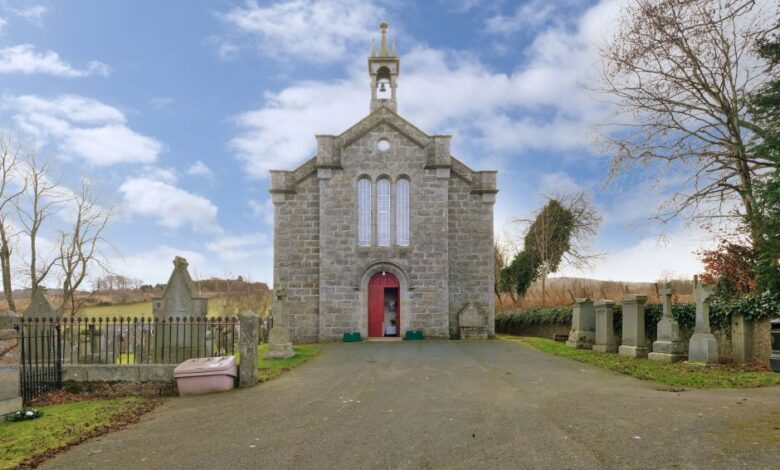
The former Tough Parish Church is among the settlement’s most significant surviving historic buildings. The present structure was built in 1838 to a design by architect John Smith. Constructed largely from granite, it replaced an earlier church and became an important feature of the local landscape. The building is recognised for its architectural and historic interest, while surviving interior elements and the surrounding burial ground provide evidence of its former role at the centre of parish religious life.
The 1838 date applies to the surviving church rather than the beginning of worship at Tough. Historical references indicate the existence of an earlier kirk by the medieval period. Keeping these two stages separate is important: Tough has a long church history, but the structure standing today belongs primarily to the 19th century. This distinction also gives the settlement’s name greater meaning because the relationship between the kirk and the surrounding community predates the present building by several centuries.
The Churchyard, Mortsafe and War Graves

The churchyard contains one of Tough’s more unusual historic features: an iron-and-granite mortsafe. Such structures were designed to protect recently buried bodies at a time when grave robbing for anatomical study caused considerable concern in Scotland. A mortsafe physically secured a grave during the period when a body was most vulnerable to theft. Its survival at Tough provides tangible evidence of a disturbing but important period in Scottish social and medical history.
The burial ground also contains three Commonwealth war graves, representing casualties from the First and Second World Wars. Their presence adds another historical period to a site already associated with medieval religious history and a 19th-century church. Visitors should remember that the churchyard remains a place of burial and commemoration, so its historic features should be approached respectfully. Together, the church, graves, and mortsafe make this small area one of the most historically informative parts of Kirkton of Tough.
Farming and Rural Life Around Tough
Agriculture is essential to understanding Kirkton of Tough. The settlement stands within working countryside rather than a landscape created primarily for recreation or tourism. Farms, cultivated fields, livestock, and rural roads remain important elements of the surrounding environment. This agricultural setting provides valuable context for the village’s association with Aberdeen Angus cattle and demonstrates why farming occupies such an important place in the area’s historical identity.
That distinction is also useful for visitors. Rural surroundings do not automatically mean that every farm track is a public walking route or that agricultural land is freely accessible. Anyone exploring the area should use recognised public routes, respect private property, and remain aware of farm vehicles and livestock. Treating the landscape as working countryside rather than simply a scenic attraction provides a more accurate and respectful way to experience Tough and the surrounding Aberdeenshire area.
Kirkton of Tough Today
Modern Kirkton of Tough remains a small rural settlement rather than a large tourism centre. Homes and farms are spread across the local landscape, while community facilities in the surrounding area continue to serve residents. Tough School, located outside the compact settlement among nearby farmland, is one example of the continuing community infrastructure associated with the area. Alford provides a broader range of services for people living in and visiting this part of Aberdeenshire.
This modern context is important because historic places do not exist separately from everyday life. Tough Parish Church, the burial ground, agricultural heritage, and older landscape form part of the settlement’s history, while present-day residents continue to live and work in the area. Visitors should therefore avoid treating private homes or farms as attractions. Kirkton of Tough is best appreciated by understanding its heritage while recognising that it remains an active rural community.
Visiting Tough and the Alford Area
People visiting Kirkton of Tough should plan around its small scale. The historic church and churchyard provide the clearest local heritage focus, while the Aberdeen Angus connection gives additional meaning to the agricultural landscape. Tough does not need an exaggerated list of attractions to be interesting. Its appeal is strongest for visitors researching local history, Scottish agriculture, old churches, genealogy, or the smaller communities found across Aberdeenshire.
Nearby Alford provides a practical complement to a visit. Travellers can find a broader selection of services and visitor facilities there, while the wider area contains additional heritage and countryside destinations. Those planning accommodation, meals, or several attractions should therefore consider the wider Alford area rather than expecting everything to be available within Tough. Opening arrangements for historic sites and transport services can change, so current information should be checked shortly before travelling.
Conclusion
Kirkton of Tough has a more substantial history than its small size initially suggests. Its location near Alford, agricultural landscape, connection with Aberdeen Angus cattle, longstanding kirk tradition, 1838 parish church, historic burial ground, mortsafe, and Commonwealth war graves create a clear picture of a community shaped by farming, religion, and changing social history.
Rather than presenting Tough as an undiscovered tourist resort, its real value lies in these specific connections. The settlement offers insight into rural Aberdeenshire and the historical forces that shaped communities across northeast Scotland. For visitors interested in agricultural heritage, local history, or quieter Scottish settlements, Kirkton of Tough provides a focused and authentic subject to explore as part of a wider journey through the Alford area.
FAQs
Where is Kirkton of Tough located?
Kirkton of Tough is in Aberdeenshire, Scotland, about four kilometres southeast of Alford.
What is Kirkton of Tough known for?
It is particularly associated with Aberdeen Angus cattle and its historic parish church and churchyard.
When was Tough Parish Church built?
The surviving former parish church was built in 1838, replacing an earlier place of worship.
What is the mortsafe at Tough?
It is a historic iron-and-granite structure used to protect graves during the era of body-snatching.
Is Kirkton of Tough close to Alford?
Yes. Tough lies only a few miles southeast of Alford, which provides a wider range of local services and facilities.
You May Also Read: Little Compton Moreton in Marsh