Little Compton is a small historic village in southern Warwickshire, around three miles east of Moreton-in-Marsh. Its position close to the Gloucestershire border explains why people frequently search for Little Compton Moreton in Marsh when planning a visit or researching the area. The two are separate settlements: Little Compton belongs to Warwickshire, while Moreton-in-Marsh is a Gloucestershire market town that provides useful transport, shopping, dining, and visitor services for the surrounding countryside.
What makes Little Compton interesting is not a long list of commercial attractions but its concentration of genuine heritage. Medieval origins, traditional limestone buildings, the historic Church of St Denis and the Grade II* Little Compton Manor give the village a strong sense of continuity. For visitors exploring Little Compton Moreton in Marsh, understanding these landmarks, the unusual county history, and the relationship between the village and nearby Moreton-in-Marsh provides a much more accurate picture than treating Little Compton as simply another Cotswold tourist stop.
Where Is Little Compton Moreton in Marsh?
Little Compton lies within the Stratford-on-Avon district of Warwickshire, close to the borders with Gloucestershire and Oxfordshire. Moreton-in-Marsh is approximately three miles to the west, which is why the town frequently appears in addresses, accommodation descriptions, property listings, and travel searches connected with Little Compton. The nearby A44 also provides an important road connection through this part of the country. Despite their close relationship, however, Little Compton and Moreton-in-Marsh should not be treated as a single settlement.
The location is particularly useful for travellers exploring the northern Cotswold area and neighbouring parts of Warwickshire. Moreton-in-Marsh offers a larger concentration of visitor facilities, while Little Compton retains the scale and character of a small rural community. Anyone searching for Little Compton Moreton in Marsh should therefore check the exact postcode or destination before travelling. This avoids confusion with other places carrying the Compton name and makes it easier to distinguish village landmarks from attractions located elsewhere in the surrounding region.
Little Compton’s History and County Connection
Little Compton has roots reaching into medieval England, and historical records establish that settlement existed here centuries before the modern road network developed around the village. Its surviving historic environment reflects generations of occupation rather than a recently created heritage identity. The landscape and buildings also show the importance of local limestone construction, a characteristic that visually connects Little Compton with the broader architectural traditions found across this part of the Cotswolds and neighbouring countryside.
An especially interesting part of the Little Compton Moreton in Marsh story concerns county boundaries. Little Compton was historically associated with Gloucestershire before being transferred to Warwickshire during 19th-century administrative changes. That background explains why older documents can describe Little Compton differently from current sources. Today, official records place the parish firmly in Warwickshire. Understanding this change is useful for family-history research, historical records, property searches, and travellers who encounter apparently contradictory references to the village’s county.
Little Compton Manor and William Juxon
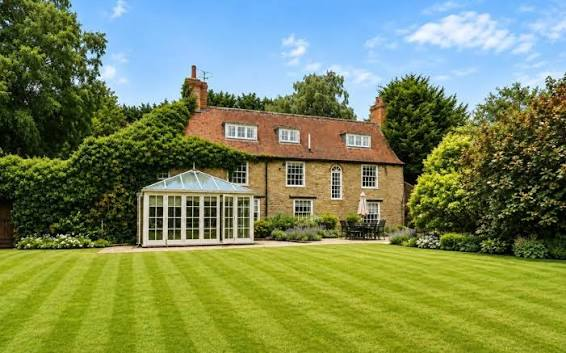
Little Compton Manor is one of the village’s most historically important buildings. Historic England lists the manor at Grade II*, identifying early 16th-century origins and significant remodelling around 1620, followed by alterations in later centuries. The building includes limestone construction, stone roofs, mullioned windows, historic interior features, and architectural details representing several stages of development. Its surviving fabric provides a substantial link between modern Little Compton Moreton in Marsh and the area’s early modern history.
The manor is also associated with William Juxon, who became Archbishop of Canterbury. Historic England records it as having once been his home, adding wider historical importance to a building in a relatively small Warwickshire village. Visitors should nevertheless remember that listed status does not automatically make a historic property a public attraction. Access can be limited, although occasional events may provide opportunities to see parts of the property or grounds. Current arrangements should always be confirmed rather than assuming the manor is routinely open for sightseeing.
St Denis Church and the Historic Village Core
The Church of St Denis provides another major link with Little Compton’s past. Historic England identifies the Grade II* church as having 12th-century origins, a 14th-century tower, and substantial rebuilding carried out in 1863–64. Older elements and reused medieval features remain within the building, while historic memorials connect the church with generations of local residents. These different periods of construction make the church valuable for understanding how Little Compton Moreton in Marsh developed rather than assigning the entire building to one century.
The church and manor stand extremely close together, creating an identifiable historic core within the village. This relationship gives visitors an unusually clear sense of how important buildings were grouped within an English rural settlement. Other listed structures and traditional stone properties add to the architectural setting, but many are private homes rather than tourist sites. Visitors can therefore appreciate Little Compton’s historic character most responsibly from public roads, paths, the church where access is permitted, and any locations specifically advertised as open to visitors.
What to See and Do in Little Compton
Exploring Little Compton Moreton in Marsh is more about observing the historic environment than moving between major ticketed attractions. St Denis Church, the exterior setting around Little Compton Manor, stone-built houses, village lanes, and surrounding countryside provide the principal points of interest. The village’s modest size makes it possible to appreciate how its buildings relate to one another, while the absence of a heavily commercialised visitor centre helps preserve the feeling of an active rural community rather than a purpose-built tourism destination.
Visitors can extend their day by exploring the wider area rather than expecting every attraction to sit within Little Compton itself. Moreton-in-Marsh provides additional places to eat, shop, and explore, while nearby historic settlements and heritage sites create opportunities for a broader itinerary. Chastleton House is another notable heritage destination in the surrounding countryside. Checking opening arrangements before travelling is sensible, particularly for historic properties where access can be seasonal or restricted.
Food, Accommodation and Local Life
Little Compton remains a small community, so expectations about dining should reflect the size of the village. The Red Lion is a recognisable local pub, while a wider range of cafés, pubs, restaurants, and other food choices can be found in Moreton-in-Marsh and nearby towns. This makes Little Compton Moreton in Marsh suitable for visitors who want to combine a quiet village setting with access to the facilities of larger settlements rather than expecting an extensive dining district within Little Compton itself.
Accommodation follows a similar pattern. Holiday properties and places to stay are available around the surrounding countryside, while Moreton-in-Marsh offers a broader base for visitors arriving by rail or planning a longer stay. Local community life continues independently of tourism, with the village hall, parish activities, church events, and occasional local occasions contributing to village life. Because events and business arrangements change, travellers should check current information shortly before visiting rather than relying on old schedules or archived travel guides.
Travelling Between Little Compton and Moreton-in-Marsh
Moreton-in-Marsh is an important transport point for people visiting without a car because it has a railway station, whereas Little Compton does not. Travellers researching Little Compton Moreton in Marsh can therefore use Moreton-in-Marsh as a starting point before arranging the remaining journey to the village. The relatively short geographical distance should not be interpreted as a guarantee of convenient public transport, however, because rural services and schedules can change. Current journey information should be checked for the actual date of travel.
Drivers can reach the area through the local road network, with the A44 providing an important nearby connection. Using a precise postcode is preferable when heading for accommodation, a church event, a local business, or another specific destination. Visitors planning several stops should also check actual road distances instead of assuming that all attractions described as being near Little Compton are within walking distance. Careful planning makes exploring Little Compton Moreton in Marsh and the surrounding countryside considerably easier.
Planning a Visit to Little Compton
A successful visit to Little Compton Moreton in Marsh starts with realistic expectations. Little Compton is not a large sightseeing centre; its appeal lies in its history, architecture, rural landscape, and relationship with the surrounding Cotswold area. Visitors interested in old churches, historic buildings, traditional villages, or quiet countryside are more likely to appreciate it than travellers seeking a full schedule of commercial attractions. Combining Little Compton with Moreton-in-Marsh can provide a balanced day of village heritage and market-town facilities.
Respect for the residential character of Little Compton is equally important. Historic houses may be privately occupied, and listed status does not provide a right of public access. Visitors should remain on public routes, observe signage, and check opening details for churches, gardens, heritage properties, or special events. These simple considerations allow people to experience Little Compton Moreton in Marsh without creating unrealistic expectations about access while preserving the qualities that make the village historically interesting.
Conclusion
Little Compton Moreton in Marsh brings together two closely connected but distinct places. Little Compton is a Warwickshire village with medieval roots, significant listed buildings, and an unusual historical connection with Gloucestershire. Moreton-in-Marsh, approximately three miles away, provides a larger range of transport and visitor facilities. Understanding this geographical relationship immediately makes accommodation searches, travel planning, and historical research more accurate.
Little Compton’s strongest features are authentic rather than manufactured for tourism. The Grade II* manor, its association with William Juxon, the historic Church of St Denis, limestone architecture, and compact village setting provide genuine reasons to explore the area. For anyone interested in heritage and quieter rural communities, Little Compton Moreton in Marsh offers an informative addition to a wider journey through the northern Cotswolds and surrounding Warwickshire countryside.
FAQs
Is Little Compton in Warwickshire or Gloucestershire?
Little Compton is now in Warwickshire, although it was historically associated with Gloucestershire.
How far is Little Compton from Moreton-in-Marsh?
The village is approximately three miles east of Moreton-in-Marsh.
What is Little Compton known for?
It is known for Little Compton Manor, St Denis Church, historic stone architecture, and its rural setting.
Can visitors enter Little Compton Manor?
It should not be assumed to be normally open; visitors should check current public-access arrangements.
Does Little Compton have a railway station?
No. Moreton-in-Marsh provides the nearest railway station for visitors to the area.
You May Also Read: Buckland Newton Abbot